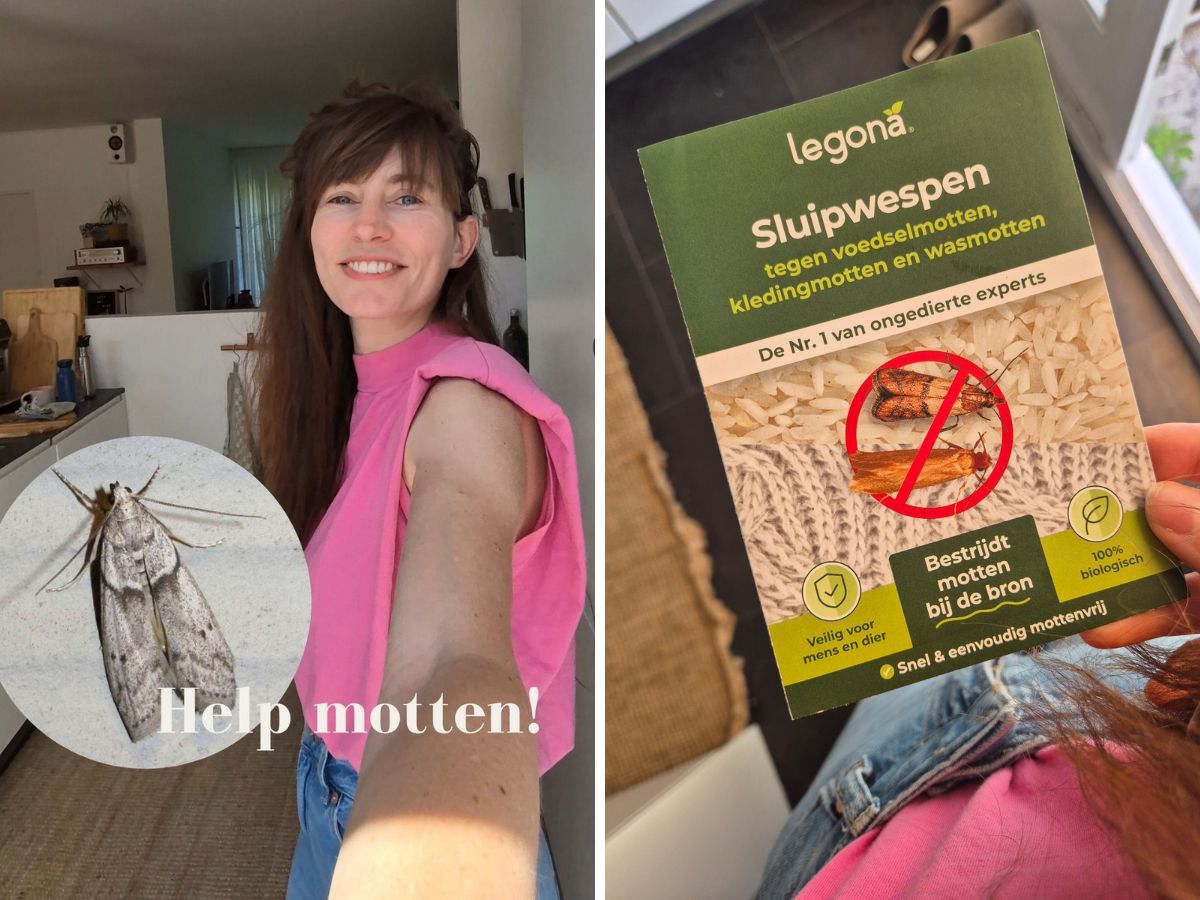

Help, moths! First we saw two, then a whole load of them and they just kept coming back. Based on photos we thought: these must be food moths, probably meal moths. We literally cleared out every cupboard to get rid of them. In the end, it turned out that we had to look for the solution not only in the kitchen, but also under the floor!
The moths kept coming back
Driving me mad! As soon as it got dark in the evening, the moths would appear. At first, one would flutter around now and then, but they kept increasing in number. We compared them with photos and concluded they were pantry moths, probably meal moths. We didn't have the species professionally identified, but we now knew where we should look first: in the kitchen. We thoroughly cleaned all the cupboards. When that didn't help, we even emptied the kitchen completely. All our supplies went into tightly sealed cases and plastic boxes in the garage. But the moths kept coming. Every time we thought we were rid of them, another one would fly around. Enough to drive you crazy. Eventually, we discovered that the moths were coming up through the gaps around the crawl space hatch. Pantry moths can also find a food source outside the kitchen, for example in seeds, nuts or other dry plant material brought under the house by mice or other animals. Where the source under our floor was precisely and whether they actually were meal moths, we still aren't entirely sure.
Parasitic wasps against food moths
We first replaced the old crawl space hatch with a new one that sealed properly. That way, no new moths could come up through the cracks anymore. That already made a huge difference. Afterwards, we ordered parasitic wasps against food moths. The full treatment takes nine weeks. You will receive new strips of parasitic wasps by post three times, with three weeks between each delivery. And don't worry: you won't end up with a house full of flying wasps. These tiny parasitic wasps are only 0.4 millimetres in size, about as small as the point of a sharp pencil. So you will hardly notice them.
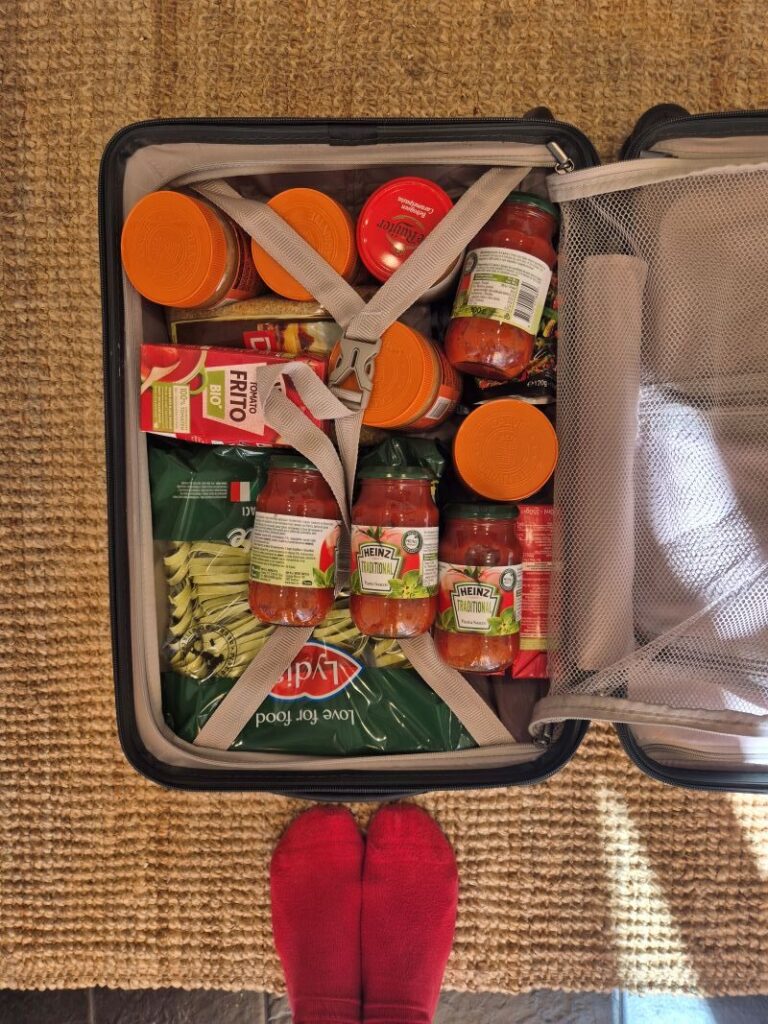
Pack up all the stock and store it in the garage to find the source of the moth infestation!
You place the strip close to the suspected source and the parasitic wasps seek out the moth eggs and lay their own eggs inside them. As a result, no new moth larvae can hatch. Can no more moth eggs be found eventually? Then the parasitic wasps disappear by themselves. After installing the new shutter and the three rounds of parasitic wasps, the moths disappeared completely at our place. Which measure precisely made the difference, we do not know, but the combination worked. And that in a natural way, without chemical pesticides!
Curious about our moth soap and the ultimate solution? Check it out here!
You might also find this interesting!
- Also see: this is how to clean the fridge in an eco-friendly way.
- Also see: no new kitchen, but wrap your old kitchen!
Photo credits: thegreenlist.nl.