
The meter box of today looks very different from a few years ago. Chances are that solar panels are on your roof, you think more carefully about gas and hesitate about a dynamic contract or home battery. Energy has become more personal and greener. But how do you keep a grip on it wisely? That’s exactly where the profit lies. Whoever understands how self-generated solar power, the heating season and small routines work together, makes an immediate impact on the planet and the wallet.
Solar power: extract what is inside
Around lunchtime, your solar panels often run at full power. It’s a waste when that clean, green electricity disappears from the grid at that moment. Directly consuming your own solar power yourself is the most sustainable and smartest step you can take. Fortunately, it doesn’t have to be complicated:
- Plan your appliances during the day: turn on the washing machine or dishwasher during the lunch break or use a timer.
- Heat more intelligently: have an electric boiler pre-heat when the sun is at its strongest.
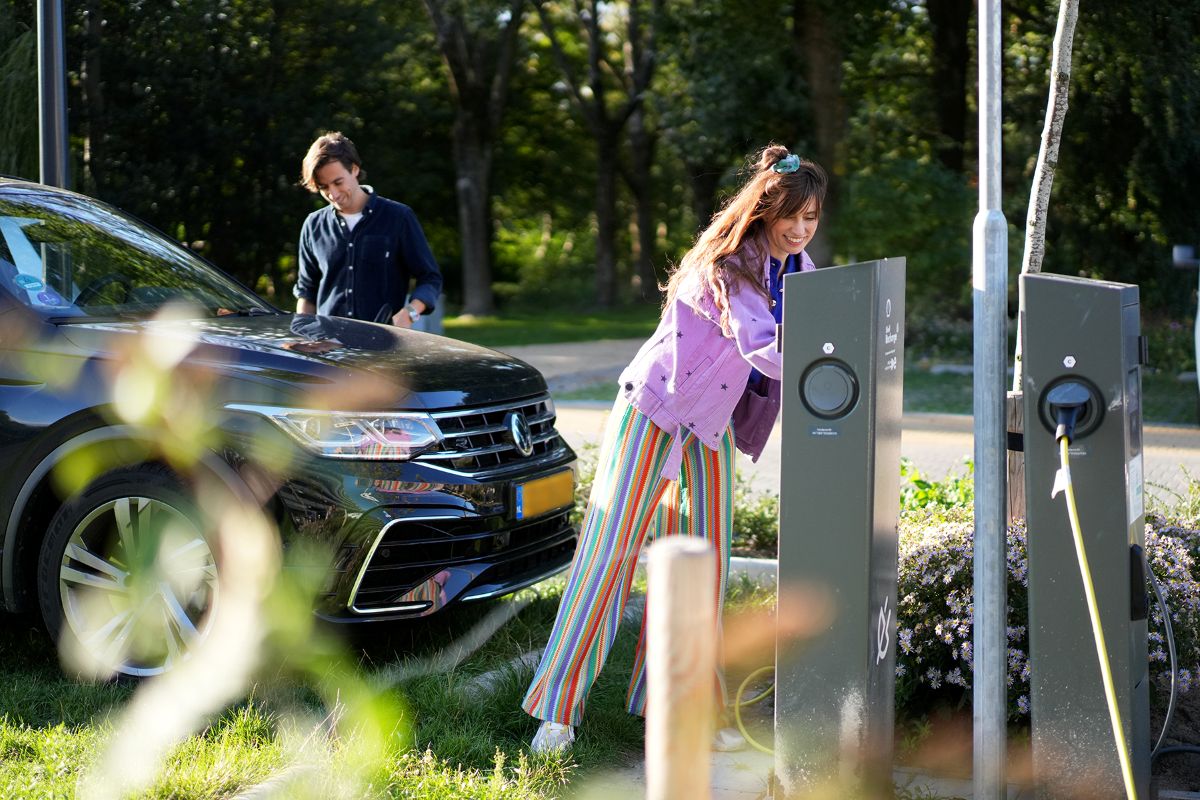
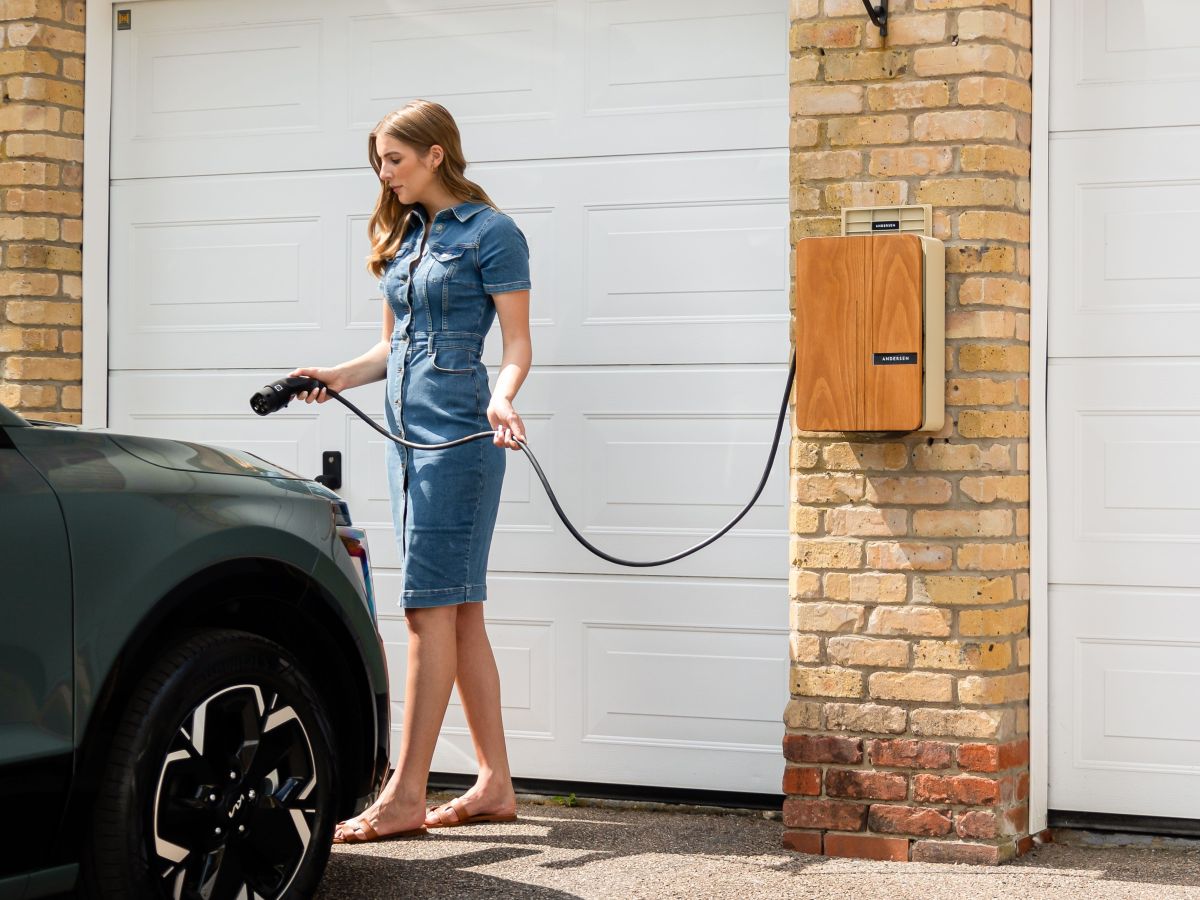
- Charge during the day: connect the e-bike or car when the panels are at peak power.
By consciously ‘moving with the sun’, you turn direct consumption into a habitual habit.
Collateral: what’s the situation now?
Thanks to the salting arrangement You are blocking the flow of solar energy that you will consume at a later time. This has made solar panels very transparent and attractive for years. In practice, however, things are increasingly working differently. Many traditional energy providers now charge for unused energy or adjust their terms and conditions. Although credit is still available today, it is wise to carefully review your current contract terms. This way you know exactly what you are up against.
Ready for the end of indebtedness
The billing scheme will end on January 1, 2027. From that moment on, you will only receive a lower fee from your supplier for electricity returned. The more of your own generated solar electricity you consume directly at home, the less affected you are by changing regulations. You can consider a smart energy management system or storage, but the fastest change lies in your own behavior: getting used to consumption during sunny hours now and in the future will yield the most benefits.
Benefit from smart hourly rates
If you choose a dynamic energy contract, your electricity price will move with the current market hourly by hour. This, combined with solar panels, creates an interesting interaction. On sunny and windy days, there is sometimes so much supply that the hourly rates drop significantly. Additional consumption at those times helps reduce the pressure on the grid and makes use of electricity at the most advantageous time. The most expensive peak hours, often at the beginning of the evening, should therefore be avoided as much as possible.
Keep the gas price in control
Although we are doing our best to switch to electricity, gas remains an important item on the energy bill once it gets colder. average gas price Keep up with the international market and determine a large part of your annual bill. Before the heating season, check the current gas prices to avoid any surprises. Good insulation, sealing gaps, and heating at a lower temperature remain the fastest ways to reduce your gas consumption.
Getting started: from returning to self-consumption
Want to make it practical right away? With these steps, you can easily power your home with your own electricity:
- Provide insight: use an app or energy monitor to see when your panels are peaking and when your house is consuming the most electricity.
- Pair your large appliances: give the washing machine, dryer and dishwasher a fixed place in the sunniest hours of the day.
- Keep the heat inside: prevent heat loss with radiator foil, draught strips or better insulation.
- Stay vigilant regarding your contract: Regularly compare energy providers and pay special attention to return charges and dynamic rates.
Photo credits: Andersen EV, Pexels.