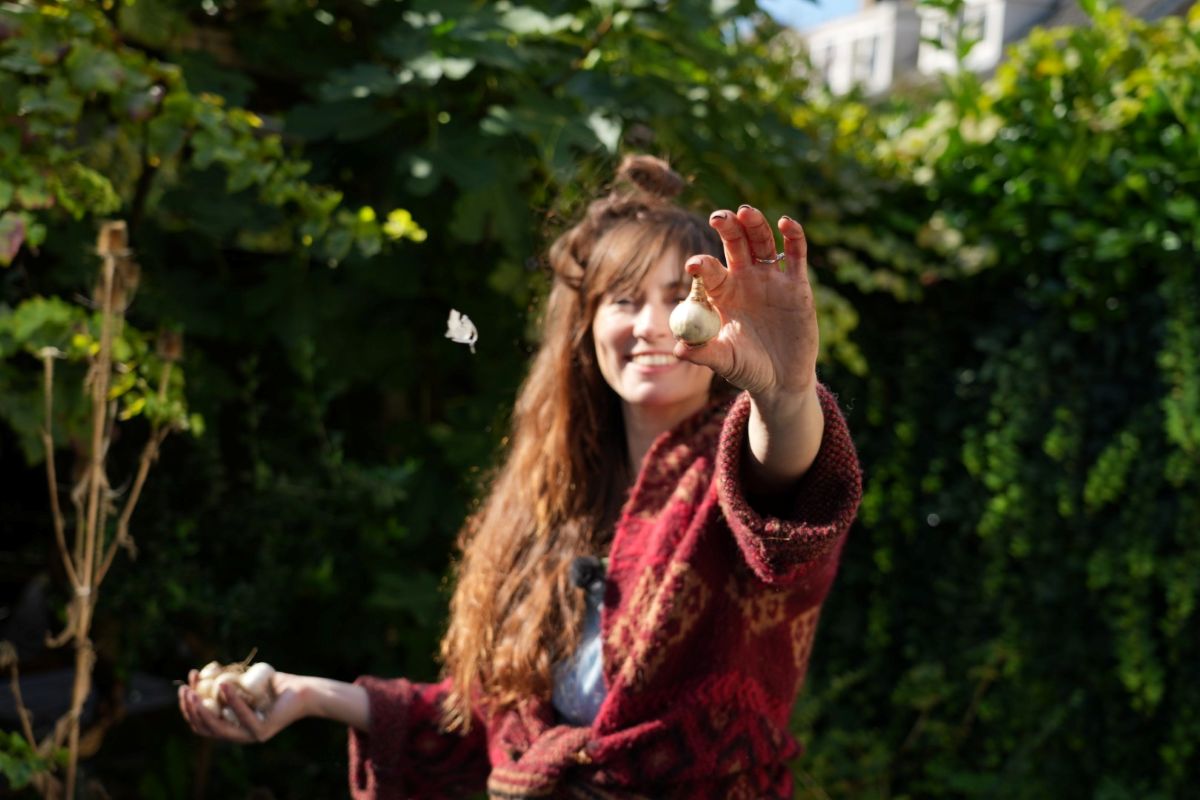

When it comes to bulb flowers, you immediately think of spring. The first crocuses, cheerful daffodils and tulips that suddenly add color to the garden. But you make your choice of these flowers months in advance. And if you do plant bulb flowers this autumn, why not choose organic bulbs right away? They not only provide a colorful spring, but are also a great choice for bees, butterflies and the soil life. In collaboration with Natural Bulbs, we give you four good reasons to give organic bulbs a permanent place in your garden or on your balcony!
Organic flower bulbs for a better world!
Most people choose bulb flowers based on color, height, or flowering time. We understand that perfectly, because you want a beautiful garden in the spring. Yet behind a bulb flower there is more than meets the eye. In the cultivation of many common bulb flowers, pesticides are used to keep diseases and pests under control. That has been a subject of discussion for years, among other things because of the consequences for insects, biodiversity, and the environment around bulb fields. For those substances do not distinguish between ‘good’ and ‘bad’ insects. Yet you are trying to attract life to your garden with your flowers, which are intended to be good. Many bulb flowers are grown with pesticides that are currently under discussion because of their effect on insects and biodiversity. And that effect continues in your garden as well, because those pesticides remain on those bulbs and flowers. Yes, even after multiple growing seasons, as research shows.
Organic flower bulbs are then a better choice. These are grown without chemical pesticides and fertilizers, just like organic garden plants. Instead, growers use natural fertilization, alternating crops, and healthy soil. Sounds logical, but according to estimates, only about 1% of Dutch flower bulb cultivation is organic. And that’s actually the first good reason to choose organic flower bulbs. Help them become more popular; Mother Earth will be grateful!
You give bees and bumblebees a flying start
Organic flower bulbs are a lifesaver! For bees and bumblebees, early spring is a challenging time. They emerge from their winter slumber and start searching for food while there is still little blooming. That is why early-blooming flower bulbs like crocuses, blueberries, and snowdrops are so valuable. They are among the first sources of nectar and pollen of the year. With organic flower bulbs, you provide bees and bumblebees with a natural food source without the dangerous chemical pesticides they are used to. A few flower bulbs may not seem like much, but for a hungry bumblebee in February they can make a world of difference. If you are celebrating your birthday in the fall, now you know what to ask for on your birthday!
And don’t forget the autumn and late spring when choosing your favorite flower bulbs. There are plenty of varieties that bloom later in the season. Think of organic dahlias for the summer and late spring and organically grown perennials that you can plant in the fall and spring. Just be aware of the planting time: for example, you plant dahlias in the spring, while many perennials go into the ground in (after)summer/fall. This extends the flowering buffet for bees and other pollinators well into the year. Because the longer there is something to eat, the better.


Get started with organic flower bulbs in the fall!
Some organic flower bulbs only need to be planted once
Anyone who thinks that flower bulbs are a one-time event has not yet met the wilders. Many species, including crocuses, snowdrops, daffodils, botanical tulips and alliums, return year after year. And that’s not all. When they are happy, they slowly expand, allowing you to get slightly more flowers every spring. The nice thing is that you hardly have to look after them. Plant them once, have a little patience, occasionally talk to them gently or sing a song and you can enjoy them for years. In our opinion, therefore, wilder biological flower bulbs are the smartest choice. So remember this term!
Planting flower bulbs is super easy!
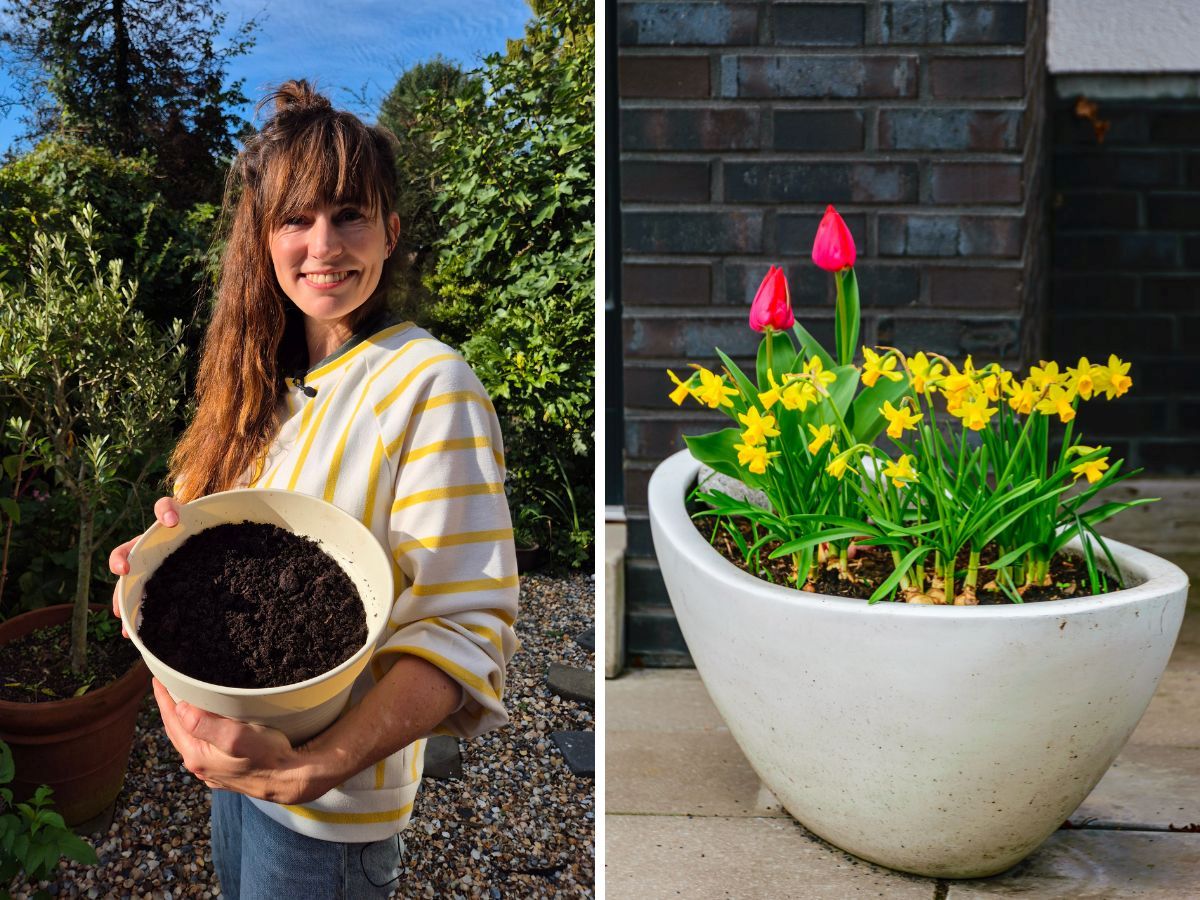
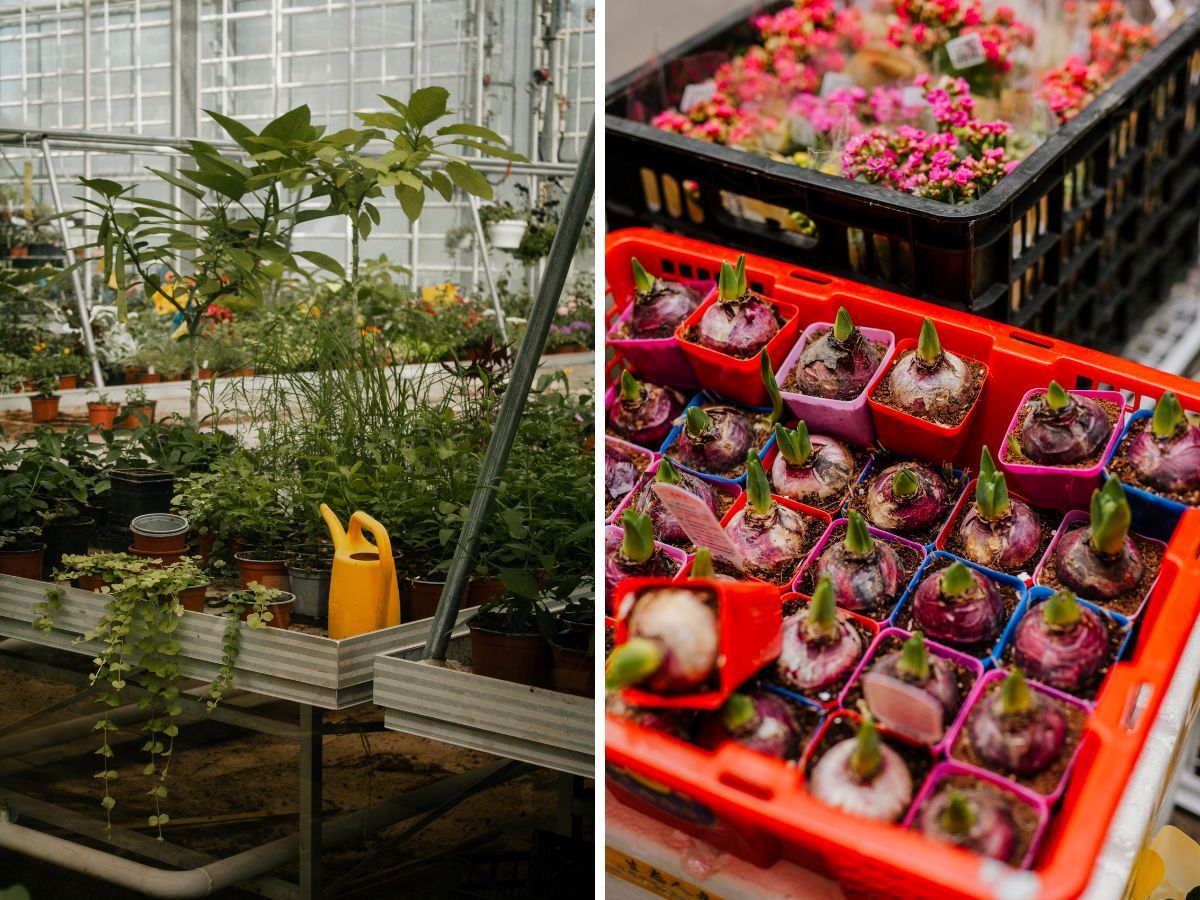
Perhaps the most beautiful thing about organic flower bulbs: you hardly need to do anything to them. Loosen the soil a little, plant the bulb two to three times as deep as it is tall and make sure that the tip points upwards. Cover with soil and only water when the soil is very dry. After that, it’s mostly a matter of patience. Flower bulbs require little attention and do most of the work themselves. Even if you only have a balcony or a few pots, you can get started just fine. In fact, with different varieties in one pot you can enjoy flowers that alternate with each other for months on end. Gardening hardly gets any easier than that.
Planting organic flower bulbs? Autumn is the perfect time!
When it comes to flower bulbs, we often think of spring, but the most important choice is actually made in the fall. If you choose organic flower bulbs, you not only bring color to your garden, but you also help bees, bumblebees and the soil life. And the great thing is: you don’t need to be an experienced gardener for that. A few bulbs, a scoop and a quarter of an hour of your time are all you need. Especially the wilder varieties are, in our opinion, the tip of the tip. They come back every year, which means you can enjoy them for years to come. So it’s a small effort, with a rewarding result as soon as spring returns.
Have you become enthusiastic about organic flower bulbs? We understand! Then take a quick look now! in the webshop of Natural Bulbs.
You might also find this interesting
- Also see: help nature, buy poison-free garden plants.
- Also see: native plants: why are they important?
- Also see: handy list of sustainable potting soil and garden soil.
Sources: PAN Netherlands. Photo credits: thegreenlist.nl, Natural Bulbs (bio tulips).