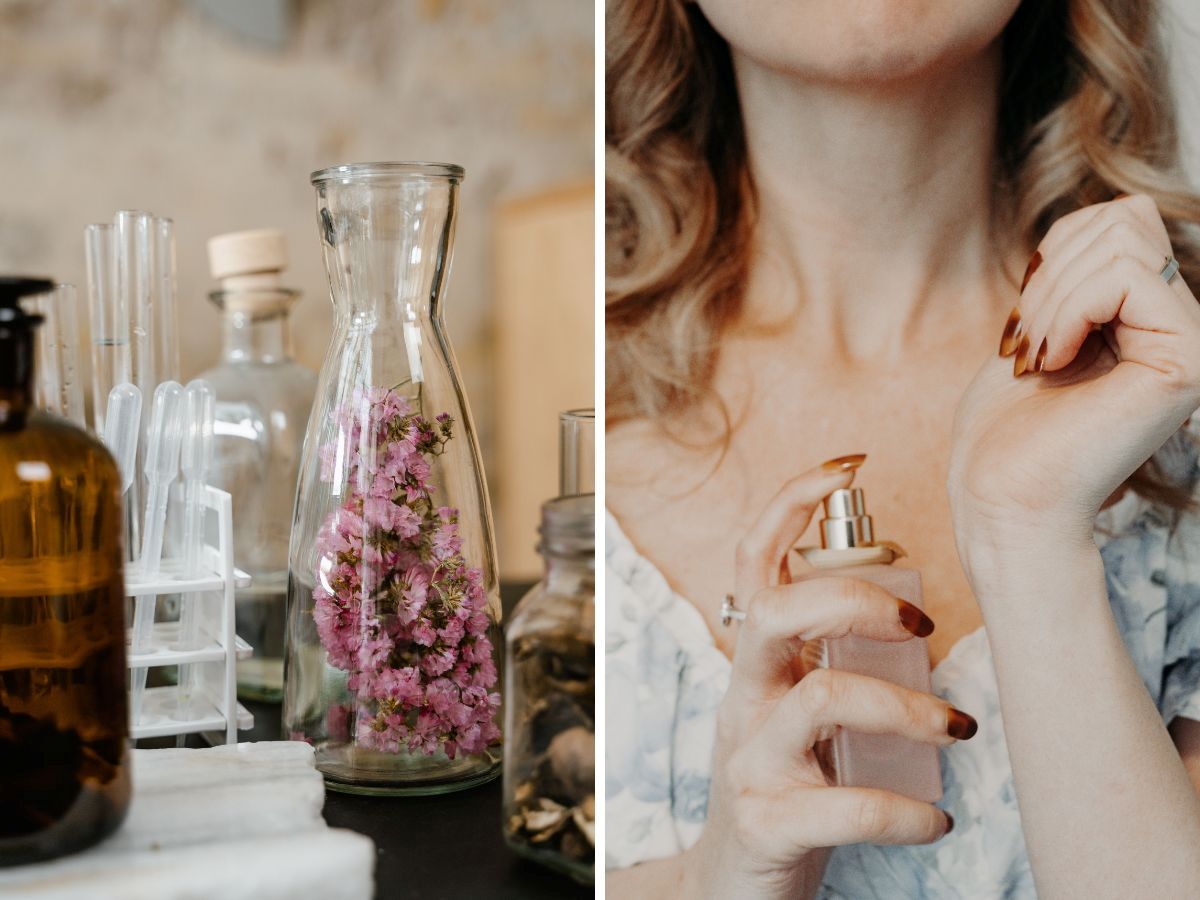

A nice perfume is the kind of gift that can make both yourself and someone else happy. But behind that lovely scent lies a story that is not always quite so fresh. Many perfumes contain vague fragrance compounds and it is often unclear which ingredients are in them precisely. Fortunately, a growing number of perfume brands are doing things differently. For example, they choose natural ingredients, are vegan or cruelty-free, use refillable bottles or even make perfume from residual streams. Completely perfect probably does not exist, but there are perfume brands that score a lot better. We have put together the finest sustainable perfume brands for you!
Why is perfume not always a sustainable choice?
A nice scent carries an air of luxury, but unfortunately the story behind it is often less appealing. Many perfumes contain fragrances and other ingredients that are not listed on the packaging, meaning as a consumer you do not know exactly what is in them. It is very strange, but unlike with much other cosmetics, manufacturers do not have to state all fragrances on the packaging. Moreover, research shows that popular perfumes can contain substances that, for example, can cause allergic reactions or disrupt the endocrine system. What a stench! And because fragrances aren't just in perfume, but also in shampoo, laundry detergent, make-up and cleaning products, they accumulate in our bodies and in nature. Throw into the mix that not all perfumes are vegan or cruelty-free and you'll understand that there's a big chance a not-so-sustainable scent is reaching your bathroom cabinet. Want to know more about this? Here we write in more detail about perfume.
So we have to disappoint you: a lovely fragrance that is perfectly sustainable in every area does not currently exist. Still, you can make a better choice. For instance, there are brands that use as many natural ingredients as possible, choose raw materials extracted in a more environmentally friendly way, or make perfumes from residual streams, such as orange peels or discarded Christmas trees. Quality marks such as COSMOS Organic, NATRUE Organic and EU Ecolabel can also help you on your way. These set requirements for the origin of ingredients and the way in which they are produced. In addition, you can look out for vegan and cruelty-free certification marks. You can find out more about that here. Moreover, some brands are taking extra steps with refillable bottles and plastic-free packaging.
No perfume brand ticks all the boxes, but fortunately there are plenty of perfume brands (including some wonderful small-scale, artisan businesses) that (want to) do a lot better than the average perfume from the department store. We've already done the groundwork for you and put together a great list of sustainable perfume brands. Ideal for yourself or the next gift-giving occasion!
Nice list of sustainable perfume brands
While one person opts for organic ingredients, another focuses on refillable bottles or perfumes made from residual streams. There is therefore no single perfect formula for a more sustainable perfume. We have put together our favourites for you. Spray them!
- At the Dutch brand Lingua Planta they use only carefully selected, natural, plant-based ingredients for their perfumes that are also animal-tested free.
- RUIK is another Dutch brand that makes perfumes from waste, such as orange peels or discarded Christmas trees. Ruik's perfumes are free of parabens and solvents. It is also vegan and cruelty-free.
- The French brand Douces Angevines has budget-friendly eaux de toilette that are COSMOS Organic-certified, vegan and, according to PETA, also cruelty-free. Brilliant!
- The perfumes of the Swiss brand Farfalla are NATRUE Organic-certified and vegan.
- The French brands Acorelle, Florame and Fleurance have perfumes that are COSMOS Organic-certified and vegan. These brands are also quite affordable.
- Besides the well-known perfume in a bottle, there is also solid perfume (in block form). The French brand Lamazuna has solid perfumes that are COSMOS Organic-certified and vegan. According to PETA, Lamazuna is also cruelty-free. This is not only a sustainable, but also a budget-friendly tip.
- The Spanish brand Banbu has solid perfumes that are COSMOS Organic-certified, vegan and PETA animal-test-free-certified.
- The French brand Essential Parfums takes a slightly different tack: less marketing, minimalist packaging and refillable bottles. They also collaborate with renowned perfumers and use natural ingredients where possible with a focus on origin. Not a fully certified green brand, but a really lovely perfume that is making great strides!
- A follower's tip is the organic perfume brand with the name Fern. Ffern makes perfumes in a slightly different way to the big perfume houses. The brand works mainly with natural ingredients, a large proportion of which are organically certified, and releases only four fragrances a year in small batches. Also nice: the packaging is plastic-free and largely recyclable.
- A no-brainer that we were tipped off about are also the perfumes from Lush. The British brand has long been known for its handmade cosmetics, a strict no-animal testing policy, and its focus on fresh, largely natural ingredients. Lush also tries to do things differently in the realm of perfume: many scents are made in small batches, some bottles are refillable, and the perfumes are often a lot more outspoken and spicy than what you smell in the average perfumery.
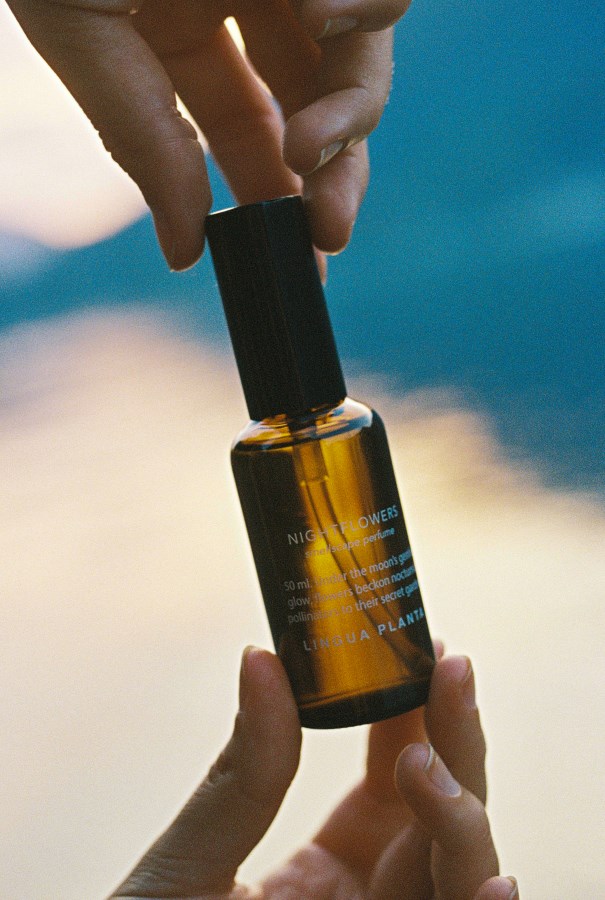
Lingua Planta is an artisanal Dutch perfume brand on the list. This sustainable perfume brand is developed by Merle Bergers.
Your favourite sustainable perfume brand?
No perfume is perfectly sustainable, but with the brands from this list you'll quickly make a more conscious choice. Also a super nice gift idea! Do you miss a brand that you think belongs in this list? Let us know! We are always looking for great additions and are happy to supplement this overview with good tips from our readers.
ALSO INTERESTING: The list of the better house perfumes.
Sources: antidote.nl. Photo credits: left: Mart Production, Pexels; right: Lisa, Pexels; Lingua Planta: Angela Blumen.