

During autumn and winter, we blow our noses a lot. It may seem like just a harmless piece of paper to throw in the bin, but when you consider that we blow our nose about 1,200 times a year on average, the mountain of waste piles up. Because used handkerchiefs belong with the residual waste, millions of handkerchiefs that cannot be recycled disappear every year in the Netherlands alone as a result. Ai, could it be more sustainable? We found out!
Disposable or reusable handkerchiefs?
When it gets colder outside and it's time to stock up on handkerchiefs, you have a choice: do you go for paper handkerchiefs or reusable ones? Fabric handkerchiefs are often softer on your nose, but paper handkerchiefs are considered more hygienic. A reusable handkerchief seems more sustainable than paper handkerchiefs, but is this actually true? On the TV programme Box office they concluded that a cotton handkerchief is only more sustainable than paper handkerchiefs if you use it for at least 9.5 years. This is mainly because cotton takes a lot of energy to produce. We wrote about cotton production in detail earlier in this article. So stocking up on a new load of cloth handkerchiefs every year because it seems so deliciously ‘zero waste’ is anything but sustainable. But a cloth handkerchief that lasts for decades can be a sustainable choice. If you would like to buy new cloth handkerchiefs, preferably choose organic cotton. Or make them yourself from old fabric scraps.
Zero waste fabric handkerchiefs
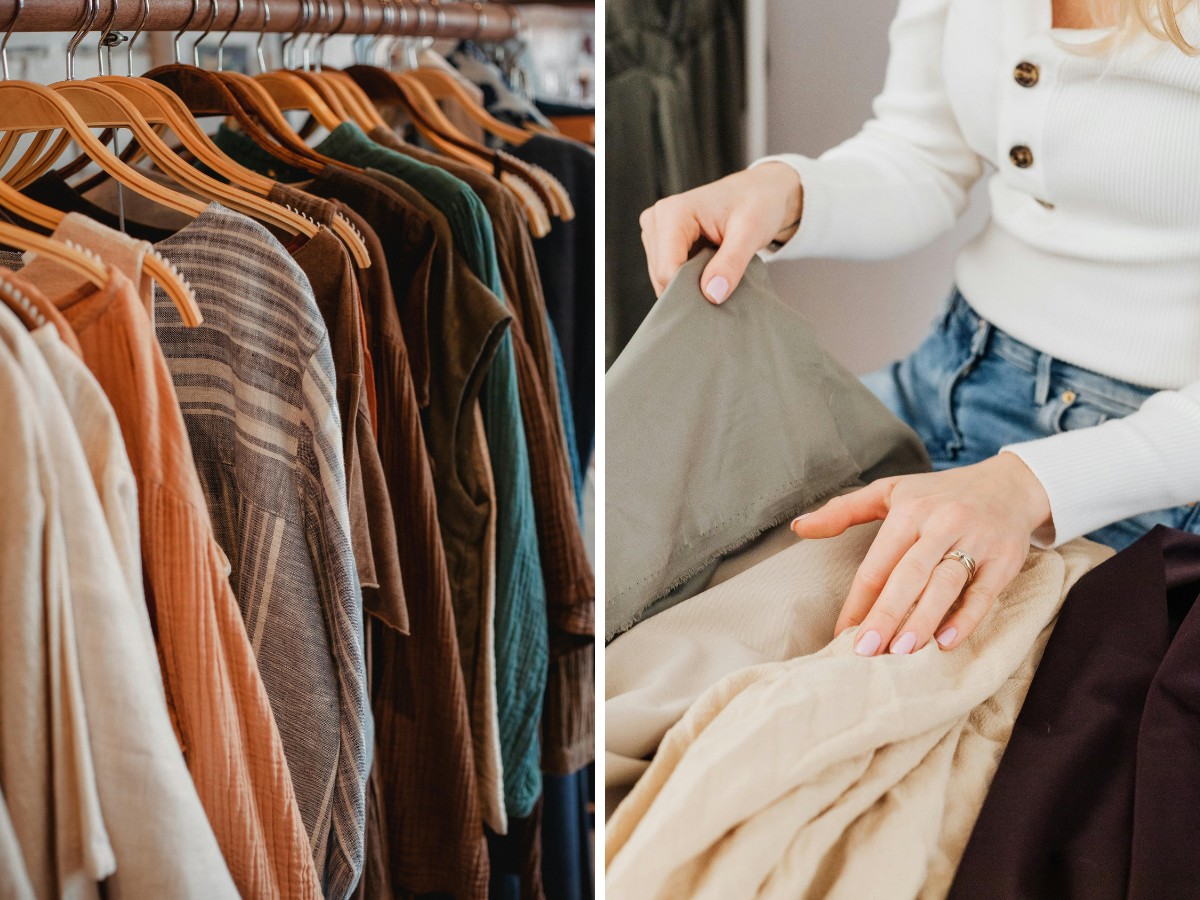
If you prefer a cloth handkerchief, you can very easily make your own from old fabric scraps. This saves a lot of water and energy otherwise needed to make new cotton fabric. Preferably use fabrics made of 100% cotton for this purpose: that way, no microplastics are released during washing or blowing. (You can find more tips for a microplastic-free life here.) It is also no problem to wash handkerchiefs at 60 degrees, which is more hygienic. For example, you can easily cut handkerchiefs yourself out of an old cotton T-shirt or fitted sheet. The advantage of this type of fabric is that you don't need a sewing machine and it is nice and soft. If you want neater handkerchiefs, you can also make them yourself with a sewing machine, for example from an old cotton shirt or duvet cover. Such fabrics are usually a bit thicker and firmer.


You can make the most sustainable handkerchiefs yourself from old cotton fabric scraps. Prefer paper anyway? Then handkerchiefs made of recycled paper are a sustainable choice.
Durable paper handkerchiefs
If you still prefer to use paper tissues, we totally understand. Fortunately, you can also choose these more sustainably. Paper handkerchiefs are usually made from wood pulp. That sounds natural, but some chemicals are often added to the wood pulp to make the paper softer. The good news: far fewer harmful chemicals are used today than in the past. Chlorine-containing bleaches are almost no longer used. If you want to choose paper tissues more sustainably, the least you can look out for is that the wood comes from sustainably managed forests. You can recognise this by the FSC- either PEFC-label. Another more sustainable option are bamboo handkerchiefs, which you can find online, for example, at Big Green Smile. Bamboo grows quickly and needs relatively little water.
In addition, there are handkerchiefs made of recycled paper. This does not require new wood (or bamboo). Previously, handkerchiefs made of recycled paper needed ‘wet strength improvers’ to keep them sturdy. Wet strength improvers are synthetic substances that make paper stronger when wet. These substances are not environmentally friendly and can reduce the compostability of paper. Fortunately, there are now handkerchiefs made of recycled paper without such additives that snuff just fine. If you want to make sure you don't bring in wet-strength enhancers, choose handkerchiefs with the Blauer Engel-label. Only handkerchiefs made of 100% recycled fibres and meeting strict requirements for chemicals in the production process receive this seal. Handkerchiefs made of recycled paper are the most sustainable choice, but unfortunately not available in every supermarket or drugstore. You can find them at Ekoplaza or online.
Another sustainable tip: at home, use a box of tissues rather than individual packets of tissues. Tissues are thinner ánd you save on plastic packaging. You will find bamboo tissues at The Good Roll or Big Green Smile, and tissues made of recycled paper at Ekoplaza or online.
Choosing sustainable handkerchiefs
Whether you go for a cloth or paper handkerchief: in both cases, you can make more sustainable choices. You can make the cloth handkerchief yourself from old fabric scraps. If you still like to use new cloth handkerchiefs, choose organic cotton and make sure you use them for at least ten years. Do you find paper handkerchiefs nicer or more hygienic anyway? If so, preferably choose handkerchiefs made of 100% recycled paper with a reliable label. Other more sustainable options are handkerchiefs made of bamboo or wood from sustainably managed forests. It may not make the snot better, but at least it will leave you with a better conscience. Get well!
More sustainable tips from thegreenlist.nl
- You probably don't want to reuse this, but fortunately you can choose more sustainable ones: toilet paper.
- More paper: this is how to wrap gifts more sustainably.
- Reusing waste paper yourself: Make a flag garland from scrap paper.
Sources: Box office, Milieu Centraal, Wed, de Volkskrant, Greenpeace. Photo credtis: main image left: Karola G (Pexels), centre: Vitalina (Pexels), right: Pixel Rich (Unsplash), cotton handkerchiefs from dustrres: Kirsten Schoner, woman with handkerchief: Karola G (Pexels).