
Well-meaning, of course, such nets of bird food to help the birds in the garden. But those nets can be dangerous. Birds can get tangled in them and the plastic ends up in nature. In this article, we explain why it is better not to use them and how to feed birds properly.
Supplementary feeding of birds in winter: why really?
In the cold months, birds have an extra hard time. Their natural food sources - such as insects, seeds and berries - are scarce then, while they need a lot of energy to stay warm. According to the Dutch Bird Society, some birds lose as much as 10% of their body weight in a freezing night. No superfluous luxury, then, that handful of help in the form of some bird food. No wonder fat balls and peanuts are eagerly sold over the counter in winter. Especially those nets with ready-made food seem ideal: cheap, easy to hang up and available everywhere. But that convenience is misleading. For the birds themselves, those plastic nets are actually life-threatening.
What do birds actually eat?
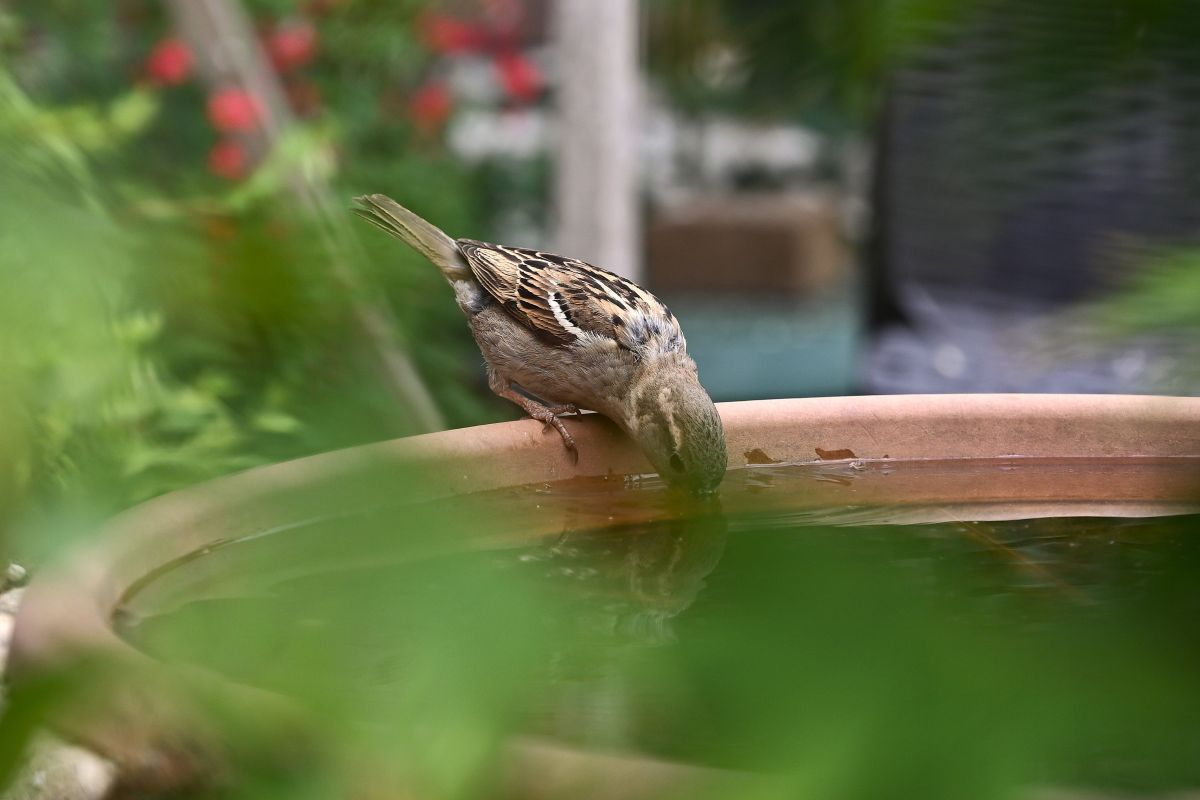
Every bird has its own preference and this is reflected in its beak. There are seed-eaters like sparrows, finches and greenfinches, insect-eaters like the dunnock, robin and wren and fruit-eaters like starling and thrush. So what you offer in your garden determines which birds will visit you. In winter, they mainly need fats and extras such as seeds, unsalted peanuts, sultanas or some fruit. In spring, however, it's all about protein (caterpillars, insects, worms) and calcium for laying eggs. Lime can be given in the form of boiled, crushed egg shells.
Opinions on supplementary feeding are divided, but the Bird Protection Society is clear: you can supplement birds all year round. After all, they are always using a lot of energy - to keep themselves warm, to lay eggs or to build up reserves. In winter, this is especially important. Don't worry about making them lazy. When they have eaten enough, they simply fly on again. You can read more about helping birds in winter in this article. Do pay attention to how you feed. Leaving too much food lying around attracts pests. And what you offer is also important. Choose responsible food without salt or sugar, and use safe ways to hang it up. There are plenty of alternatives to ready-made fat balls in plastic nets.


Feeding birds is also a fun winter DIY activity.
Tip: choose organic bird food
If you are going to supplement bird food, prefer to choose organic bird food. Regular bird food may contain residues of synthetic pesticides because the seeds and grains have been grown with pesticides. These agents are meant to kill insects and can also be harmful to birds, especially if they eat it for a long time. Organic bird food is free of these substances, making it a more logical, healthier choice for birds.
Feeding birds safely in winter
Supplementary feeding birds in winter? Good idea! There are many safe and convenient ways to do so, without plastic nets. Just as easy, but much better for the birds and your garden. We take you through a few ideas!
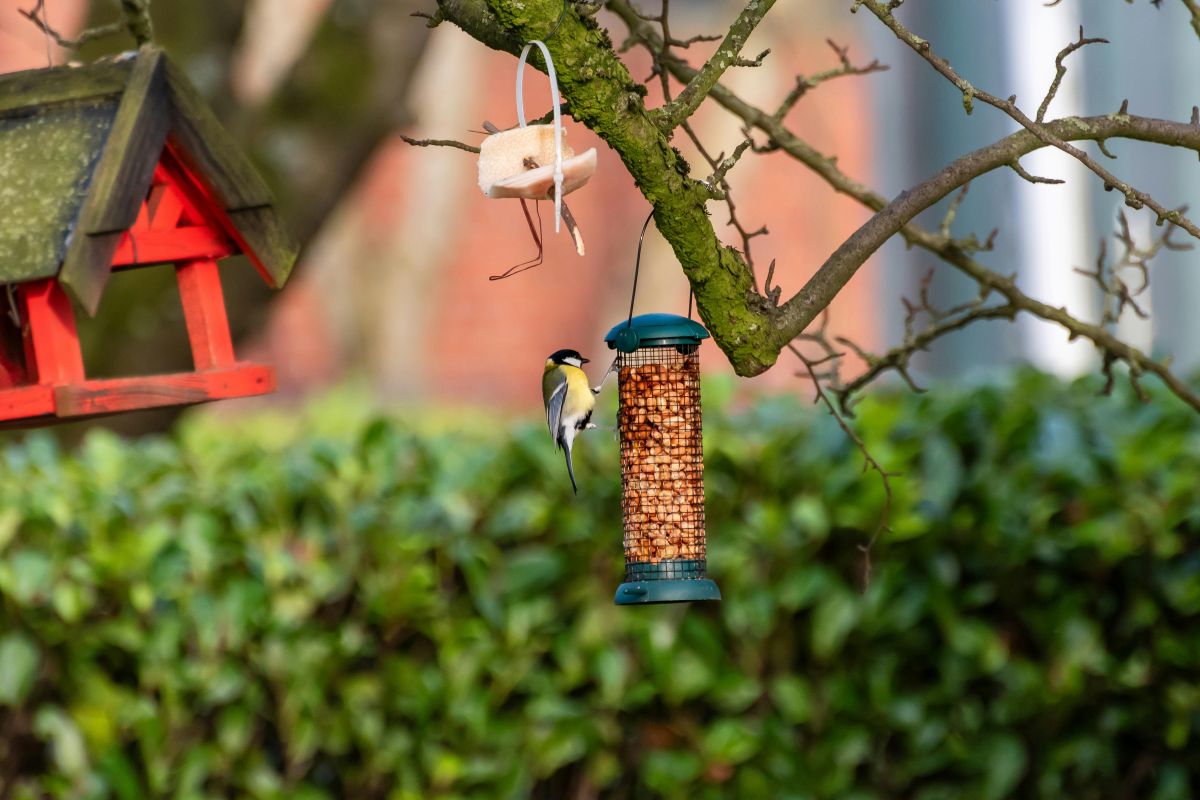
- Seed silo: ideal for small seed eaters such as tits and finches. A silo keeps the food dry and clean and prevents it ending up on the ground. This keeps your garden tidy and attracts just the right birds.
- Bird feeder: in a feeder, the food stays dry and clean, which is important in bad weather. It is also nice to look at and offers several birds a place to eat at the same time. Very nice we think this bird feeder that you stick to your window. Gift-worthy!
- Peanut silo: in a peanut silo, birds can safely eat peanuts without taking large pieces in one go. The mesh prevents young birds from choking and protects against unwanted eaters such as magpies or crows.
- Grease ball holder: a metal fat ball holder is the safe alternative to plastic nets. You easily snap the ball into it and it prevents entanglement or waste in the garden. Moreover, you can use the holder again and again.
- Peanut butter pot holder: special holders for bird peanut butter (without salt!) are ideal for garden birds like great tits and woodpeckers. Simply slide in a jar, hang it on a tree or wall and the feasting can begin.
- Feeding table or dish: perfect for bird species that like to eat on a flat surface, such as blackbirds or robins. Offer small portions and keep the place clean to avoid pests. You can also easily make this yourself - you probably already have a dish or shelf at home.
- DIY: making your own food is fun and sustainable. Think fat balls in reusable shapes, stuffed pine cones or half a coconut with seeds. You decide what goes in and avoid unnecessary plastic. Check out our bird food DIY with half orange peels here.
Bird food without a net so this winter
Want to really help birds this winter? Then leave those plastic nets in the shops from now on. They are unsafe for birds and bad for nature. With a safe feeder - whether you buy one or make your own - you give garden birds exactly what they need, without causing unintended damage. Small effort, big difference!
Supplementary feeding birds? Think about this!
- Do not feed products that contain salt. So not too much bread, not the peanut butter from your pantry (but special bird peanut butter) and no leftover cheese or sausage!
- Choose organic bird food.
- Do not use fat balls or peanuts in a net. Besides the fact that birds can get tangled in them, it also creates unnecessary plastic waste.
- Don't put down too much food as it can also attract pests or get wet and thus spoil.
- Do not hang fat balls in the sun as they may melt!
Tip: At the Bird Protection Society you can attend a free ‘Garden Birds of the Netherlands’ course. Nice, this way you will soon be able to easily recognise the birds that come to neighbour in your garden.
More gardening tips you will find interesting
- Also see: always choose non-toxic and organic plants.
- Also see: list of better potting soil and garden soil.
- Also see: are you already familiar with the staple brick phenomenon?
Sources: Bird protection Netherlands, Jack Baddams (Instagram). Photo credits: Alexas Fotos, Pexels (main image), other: Melanie de Oliveira.