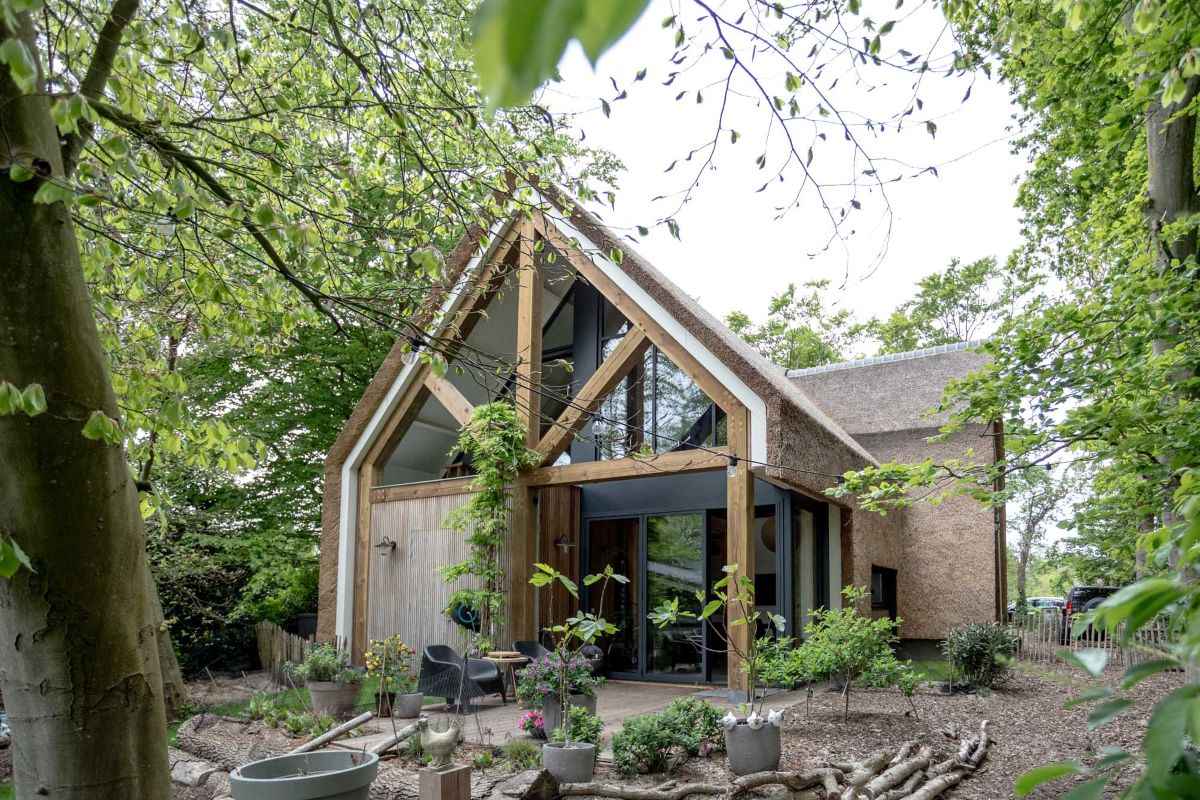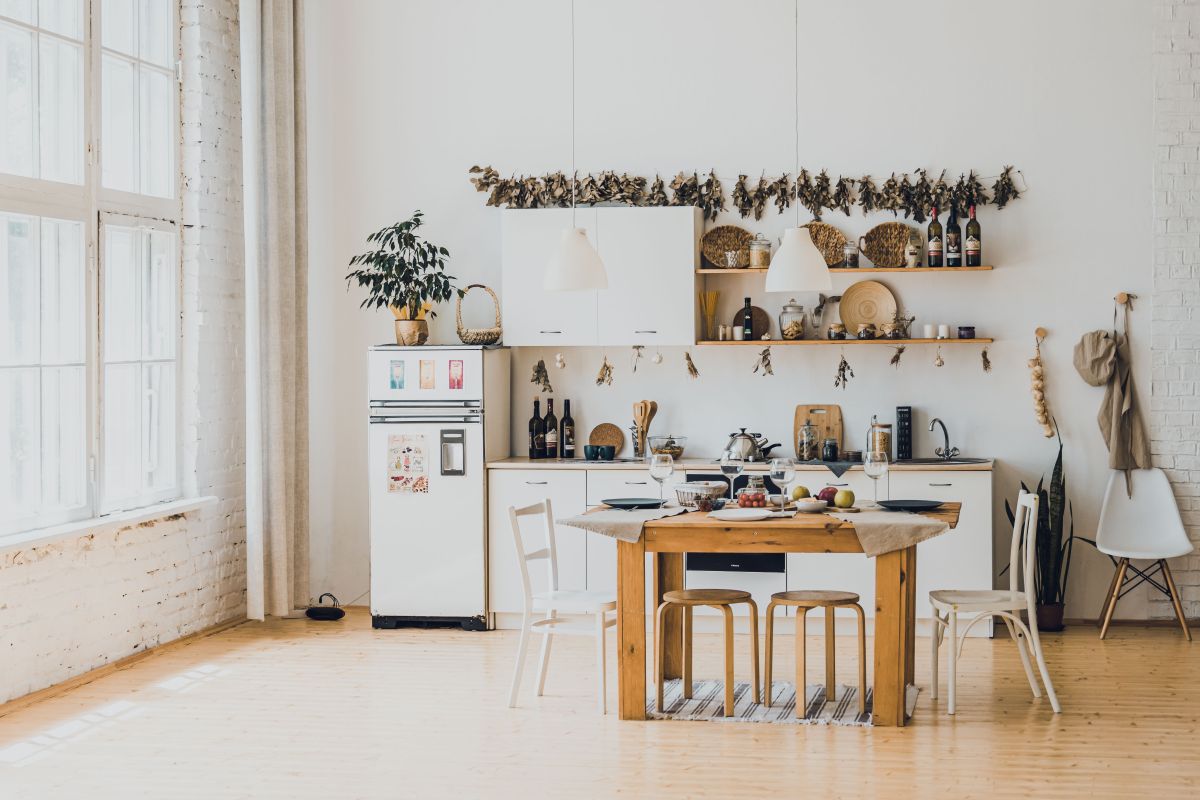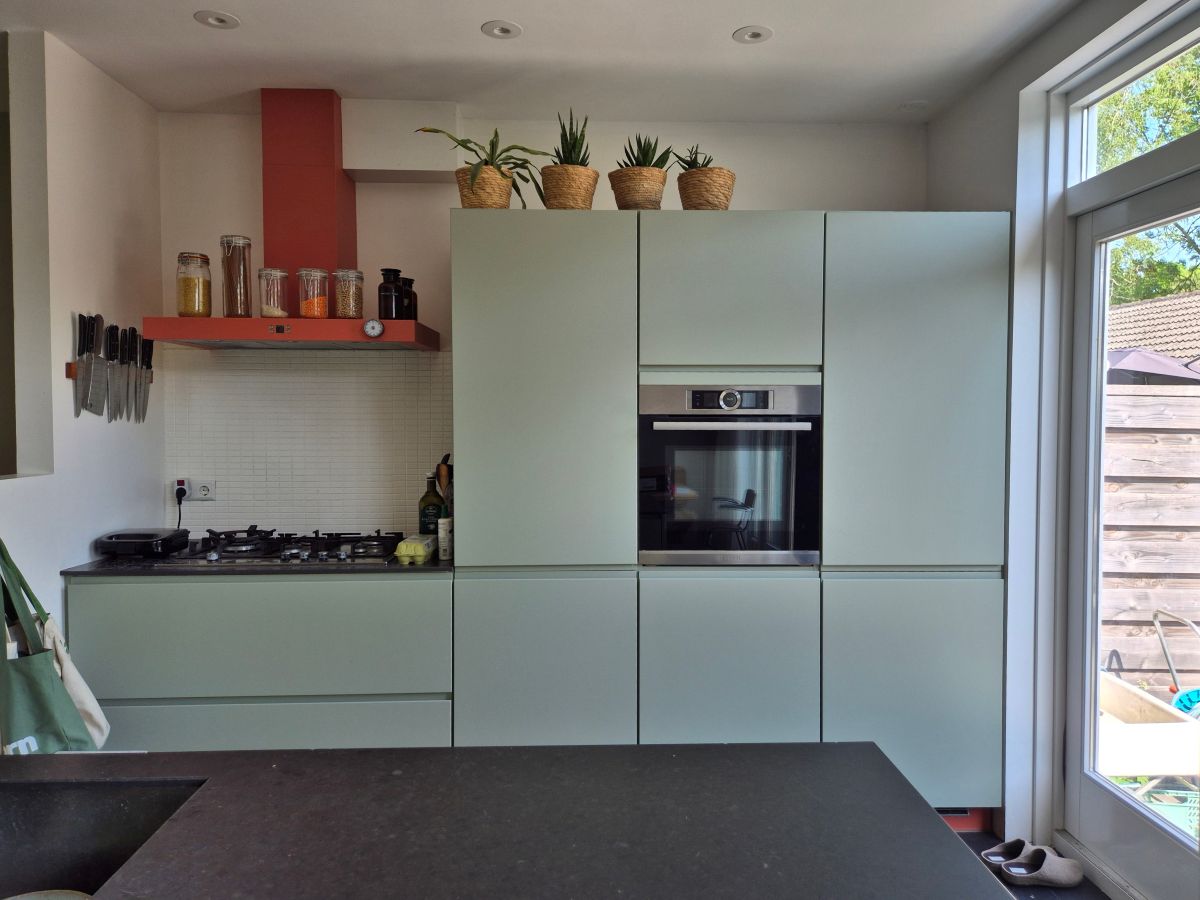


A tiny house hidden in greenery, a circular new build or an eco villa with solar panels on the roof: sustainable living appeals to more and more people. And rightly so! It is better for the environment, comfortable and often future-proof. Yet the financial side of sustainable living is still often underestimated. Those who only start calculating when they have already fallen in love sometimes get unpleasant surprises. This is precisely why it is smart to first gain insight into what sustainable living means financially.
Sustainable living is more than the purchase price
The price of a home only tells part of the story. Especially with sustainable houses, additional investments play a big role. Think of good insulation, a heat pump, solar panels, ventilation systems or the use of bio-based materials. These measures increase living comfort and reduce energy costs, but often require a higher upfront investment. Including these costs immediately in your calculation gives a fairer picture of your total housing costs. This helps when comparing houses: a house with a higher purchase price can therefore end up being cheaper due to lower energy costs and less maintenance.
From tiny house to ecovilla: each form of housing requires a different calculation
Sustainable living takes many forms, and each has its own financial concerns. Take tiny houses, for example - we love it - but financing can be more complicated than for a regular house. Not every lender provides a standard mortgage for this, as the house is often detached from the land, temporarily placed or has to deal with special permits. You also increasingly see nature-inclusive villas or new-build homes in small-scale ecological neighbourhoods appearing on Funda. Plaques of houses! The entry price of these houses is often higher, but in return they are very energy efficient. Low monthly costs, a comfortable indoor climate and a higher future value ensure that the total cost will be different over the years. In summary, each sustainable form of housing requires its own realistic calculation.
Sustainable measures: invest now, save later
This realistic calculation is not only about the house itself, but also about the sustainable measures you include. Many sustainable measures can pay for themselves over time, but only if you calculate the costs and benefits well in advance. A heat pump, extra insulation or solar panels require an investment that is often co-financed. At the same time, these measures ensure lower energy costs and less dependence on rising energy prices. By understanding the impact on your monthly costs in advance, you can see whether a sustainable choice fits your budget and living requirements. In this way, you avoid being financially tight and sustainable living becomes a comfortable choice in the long run.
Expert advice gives direction to your (sustainable) living dream
In the case of sustainable housing and alternative housing in particular, a independent mortgage advisor make the difference. Such an adviser not only looks at what you can borrow maximum, but also at your income, future plans and the impact of sustainable investments on your monthly costs. That gives a more realistic picture than just an online calculation tool. Once you have a clear picture of what is financially feasible, you can see which party fits the bill. Univé is one of the parties offering mortgage advice. As a cooperative, Univé operates without shareholders and focuses on the long-term interests of members and customers. That fits well with sustainable housing choices, where you not only look at now, but also at later.
Sustainable living: a dream come closer
The lesson? Those who want to live sustainably would do well to look beyond the purchase price and the tempting perfect picture. Besides sustainable investments, there are more costs that are easily overlooked when buying a house, such as notary fees, insurance, maintenance costs (a luxuriant green garden? Go ahead and save!), connection fees and permits. Especially with self-builds, ecological projects or tiny houses, these items can add up considerably. By including everything in your calculation beforehand, you avoid financial surprises and create peace of mind in the buying process. At the same time, it is important to look beyond the present to your perfect future. Your current housing needs and financial situation are not automatically the same as ten years from now. Perhaps your family will grow, your income will change or you will start working differently. By building space into your budget and mortgage, it will not only remain a dream for the future, but sustainable living will also become an attainable choice.
Photo credits: Lindsey Garrett, Pexels.