
More and more people are looking at electric or hybrid driving. Logical too, because you want to emit less and depend less on petrol. But such a switch is no small thing. A new car costs money, even if you opt for an economical Toyota. And so many people are looking to get a grip on the numbers. What does it really cost per month? And is there a way to drive greener without putting down a large sum of money all at once? In this article, we dive into that.
Electric or hybrid driving, what does it really cost?
Electric and hybrid driving has long since ceased to be a niche. By 2025, over 85% of newly sold cars in the Netherlands will already be hybrid or fully electric, figures from the Netherlands Enterprise Agency show. That's good news for air quality and for your fuel bill. But fair is fair, the purchase price of an electric car is often higher than that of a comparable petrol car. Even a hybrid model is usually more expensive to buy. So you pay more upfront, hoping to save on fuel, maintenance and tax later. And that's where the math starts.
How much can you pay for your car? A calculation tool helps!
You know the drill. You read an enthusiastic story about low running costs and ‘worry-free driving’. Sounds good. But what does that mean for your situation? A calculation tool feels nice then. You enter your annual mileage, choose a model and see what it costs per month. That gives you something to hold on to. Especially when in doubt about whether to go electric, hybrid or petrol. Still, it is good to stay sharp. Not every calculator shows the assumptions behind it. Is the electricity rate realistic? Is maintenance included? What happens if you drive more kilometres than planned? Transparency makes the difference between a handy tool and a sales pitch in a new guise.
Breaking down barriers to electric driving
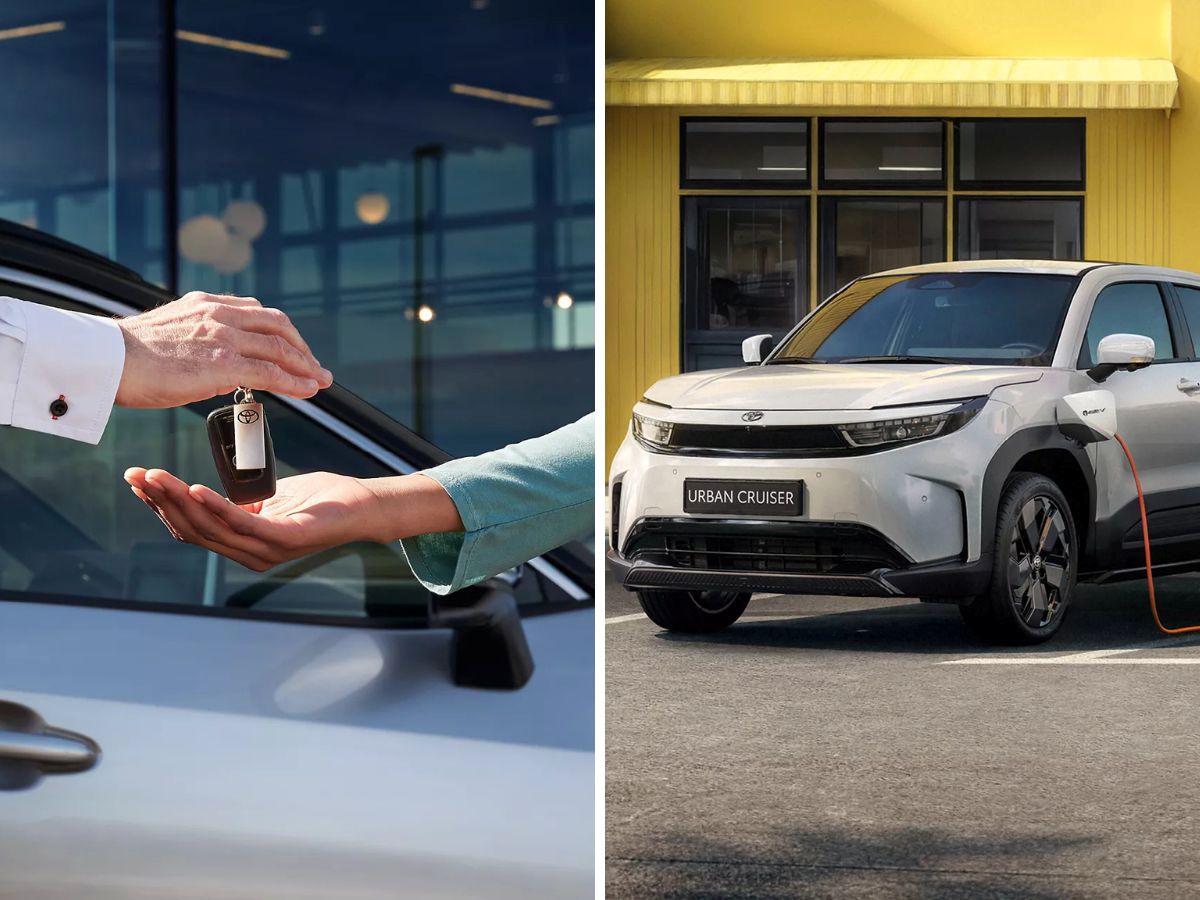
The biggest barrier to electric driving is often the investment. You don't ‘just’ buy a new car. Certainly not if you are also saving for a renovation, a trip or just some financial peace of mind. That is why more and more people are looking at other constructions. Not necessarily because they don't have any money, but because they prefer to use their money differently. A fixed monthly amount can then feel more manageable than a large expense all at once.
This is also the reason why private leasing has grown so much in recent years. According to the Association of Dutch Car Leasing Companies, hundreds of thousands of Dutch people now drive a private lease car. You pay a fixed amount per month that includes maintenance, insurance and often road tax. This makes comparison a lot easier.
Not buying but private leasing: what does it mean for sustainable driving?
The moment you stop thinking in terms of ‘owning’ and start thinking in terms of ‘using’, something changes. You look less at the residual value in ten years and more at what it costs you now per month. At private lease you agree in advance how many kilometres you will drive per year. If you structurally exceed that, you pay extra. If you drive less, you can sometimes get money back. That bundle of kilometres is therefore more important than many people think. For sustainable driving, it can actually be interesting. You don't have to invest a large amount to get into an electric or hybrid car. That lowers the threshold. At the same time, it remains important to look carefully at the term of the contract and your own driving behaviour. Those who drive little can sometimes be cheaper with a used car they own.
Not everyone chooses a car purely on cost. Some want security above all, others convenience. And many people just want to know where they stand. That is why a good decision aid only works if it leaves room for more than just numbers. Think about reliability, charging infrastructure in your neighbourhood and how easy it is to arrange maintenance. According to ANWB, clarity on total monthly costs is one of the most important factors when choosing an (electric) car. Figures help, but they are not the whole story. It is ultimately about how a car fits your life.
Sustainable driving without a major purchase
Electric and hybrid driving are becoming more and more normal. It is good for the climate and often for your wallet in the long run. But it is still an investment. If you want to make the switch without putting down a large amount of money, private lease could be a way to make it manageable. In doing so, always look carefully at: the number of kilometres per year, what exactly is included in the monthly amount, what happens if you stop early and whether the model suits your daily commute. And perhaps the most important tip: do the math yourself. With your mileage, your electricity rate and your plans. Then numbers will really help you move forward with one of the biggest purchases of your life. Good luck with your orientation!
Photo credits: Toyota.