
We wrote about it before: textile containers seem like an easy solution for your old clothes, especially if they are broken and no longer wearable. But it is not that simple. A lot of textiles end up in the trade, not with people who really need them. And as if that were not complicated enough, illegal textile containers are now popping up all the time. They are set up without permits, are hardly controllable and are all about one thing: profit. How do you recognise these illegal containers?
What is the difference between legal and illegal textile containers?
To better understand the difference, let's first look at how it works at legal collectors. Legally collected clothes end up with organisations licensed by the municipality. Think of foundations such as Sympany. They sort the textiles and ensure that clothes that can no longer be reused are recycled into insulation material or cleaning cloths, for example. Some - mainly wearable clothes - are also sold to sorting companies. This trade generates money that is used to finance the foundation's projects.
We wrote about this earlier in this article on the downside of textile containers: clothes you turn in neatly, sometimes make a trip around the world and end up in huge mountains of clothes in Africa, among other places. And this is a major environmental problem. There are even satellite images showing these mountains of clothes, including in Ghana and Chile. So even the good and legal foundations behind the textile container are not pure charity, but part of a system with clear agreements on what happens to your clothes.
With illegal textile containers, the situation is quite different. These bins are placed without permission from the municipality and are often hardly traceable to an organisation. There is no monitoring of what happens to your clothes. The best pieces are fished out and sold for personal gain. What happens to the rest? That remains unclear. Perhaps it still ends up in a legal textile container, which would be another hopeful outcome. But it is just as possible that it ends up in the rubbish and heads for the incinerator. In any case, there is no question of recycling or social goals. This is purely about making money from your donation.
How to recognise illegal clothing containers?
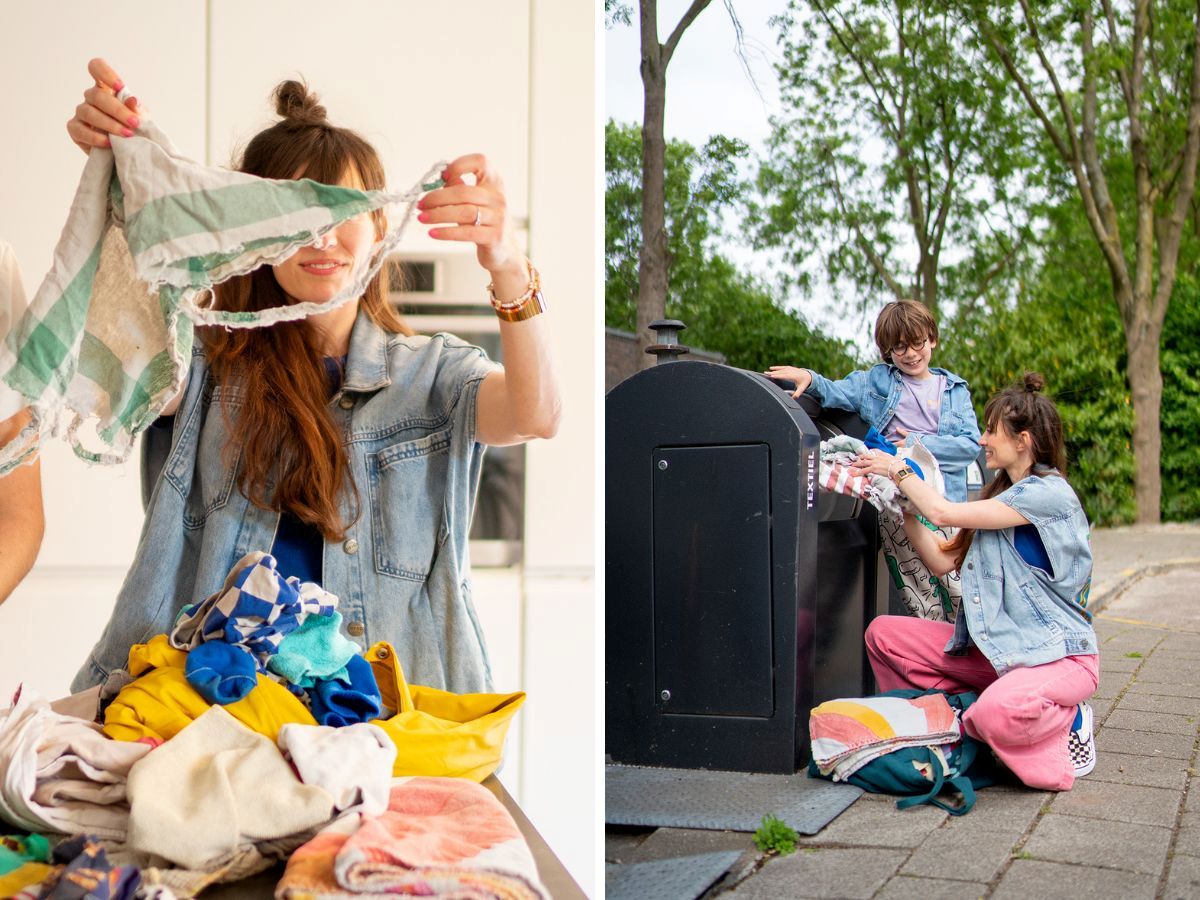
Illegal textile containers often look deceptively similar to official bins. Some have a logo, a slogan or even a vague reference to a ‘charity’. But they have been placed without permission from the municipality and are therefore illegal. The Dutch Waste and Cleaning Services Association is now sounding the alarm, and the Environment Inspectorate and the police are also cracking down on these practices. The association also joined the TV programme Newsweek tips shared on what to look out for as a resident. An important signal is the text on the container. Does it say ‘portable textiles only’? Then you may be suspicious. These days, all textiles can be recycled - including your old pants, worn towels and pieces of cloth. A bin that only accepts ‘wearables’ is usually out for the gems. And that is rarely a sign of a good cause, but rather a commercial cowboy looking to make big bucks from your donation.
To use or not to use the textile container?
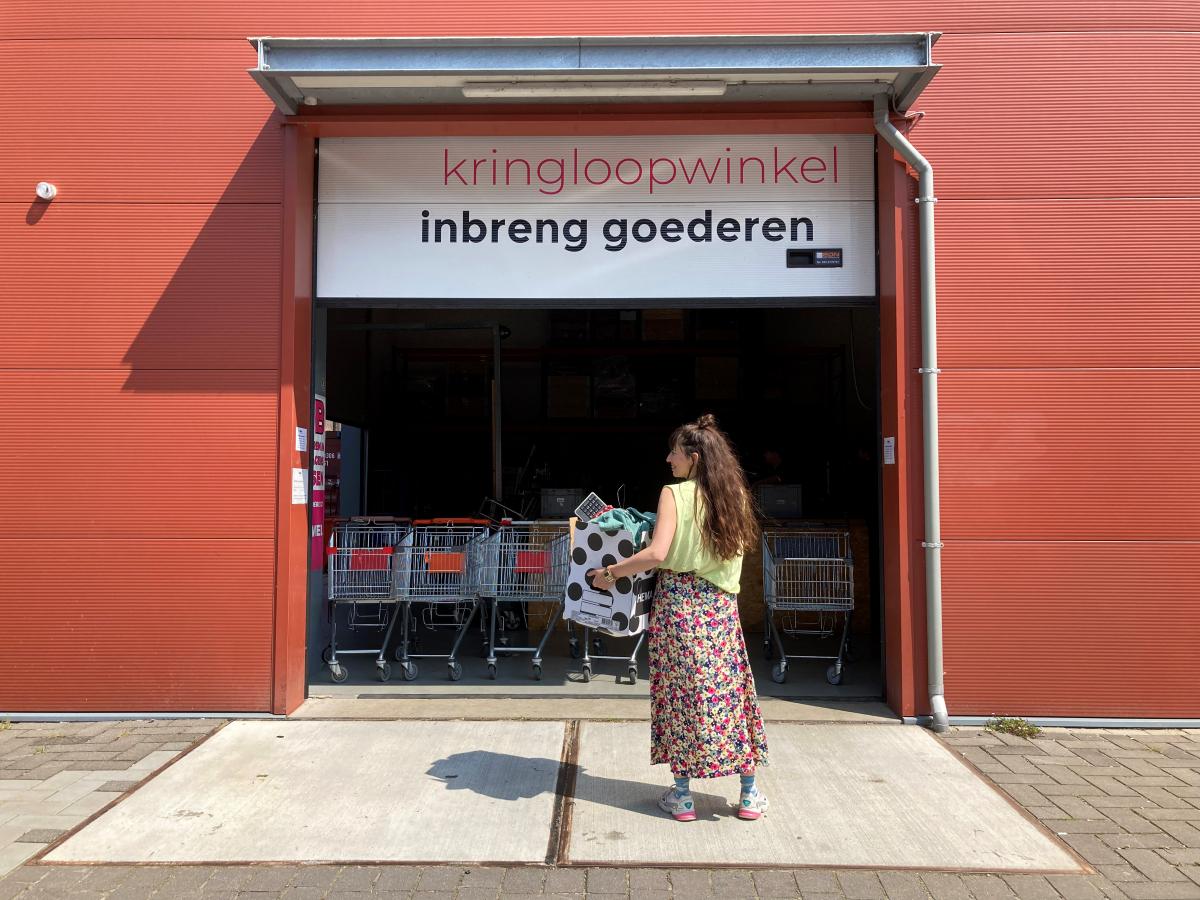
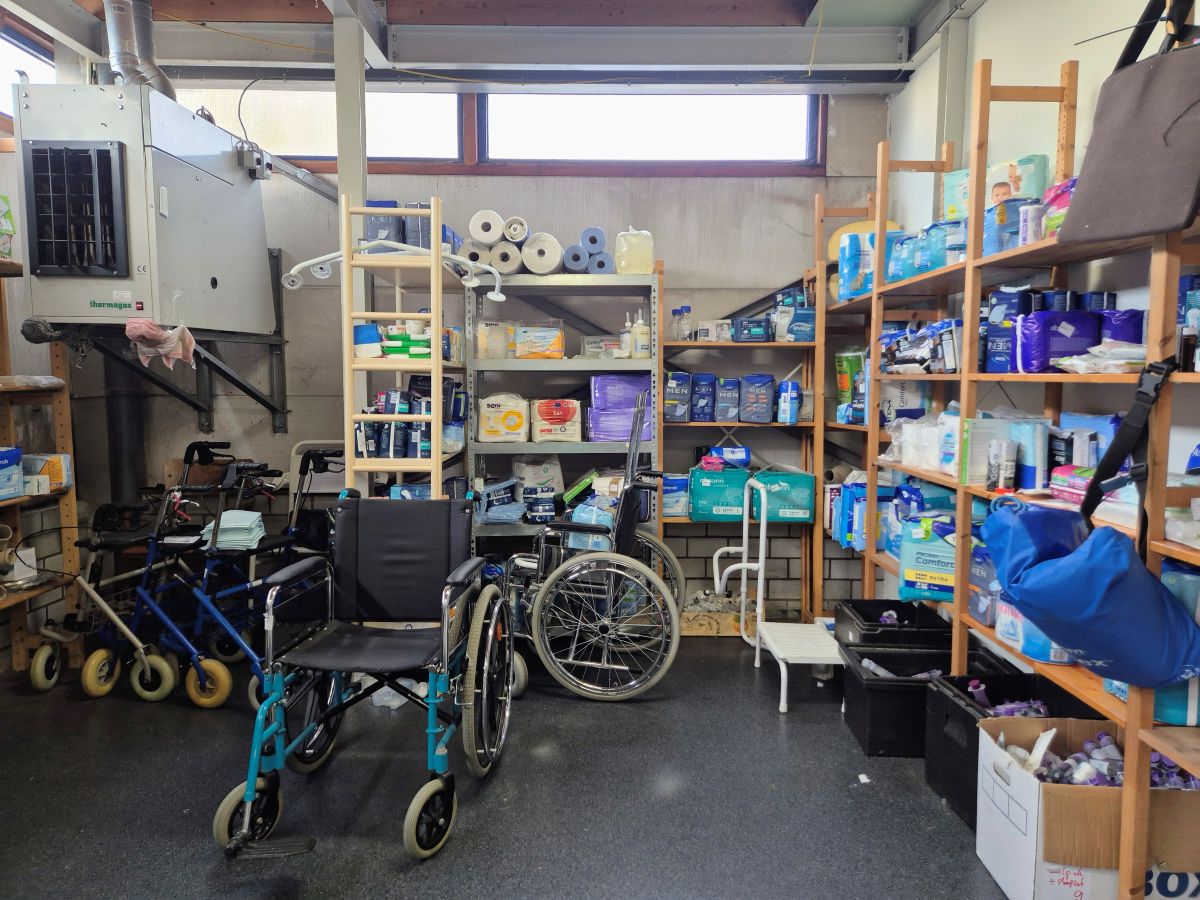
Our answer remains: yes, but... Use textile containers only for textiles that are really no longer wearable. Old towels, worn sheets, broken clothes - these can all be recycled nowadays. So don't throw them in the rubbish, but in a legal textile container. Do you still have nice, wearable clothes left over? Then give it a second life via a thrift shop, a swap initiative or donate it directly to charity. In this article, we list some fine organisations for you that really use clothes to help others. That way you can be sure that your clothes will end up well - AND not in an illegal clothing dump.
Learn more about recycling
- Also see: From GFT to compost.
- Also see: glass recycling.
- Also see: The recycling of aluminium deposit cans.
Sources: Newsweek, Follow the Money, EenVandaag, Radar, Milieu Centraal. Photo credits: Angela de Vlaming.