
Choosing a new floor seems simple. Wood, laminate or tiles, we all know those options. But if you want to live a little more sustainably, more comes into play. How long does a floor last? What is it made of? And will it have to be replaced in ten years' time? More and more people are turning to microcement floors. It is hard-wearing, timeless and often lasts for years - exactly the properties you want if you are trying to make a more sustainable choice.
What is microcement anyway?
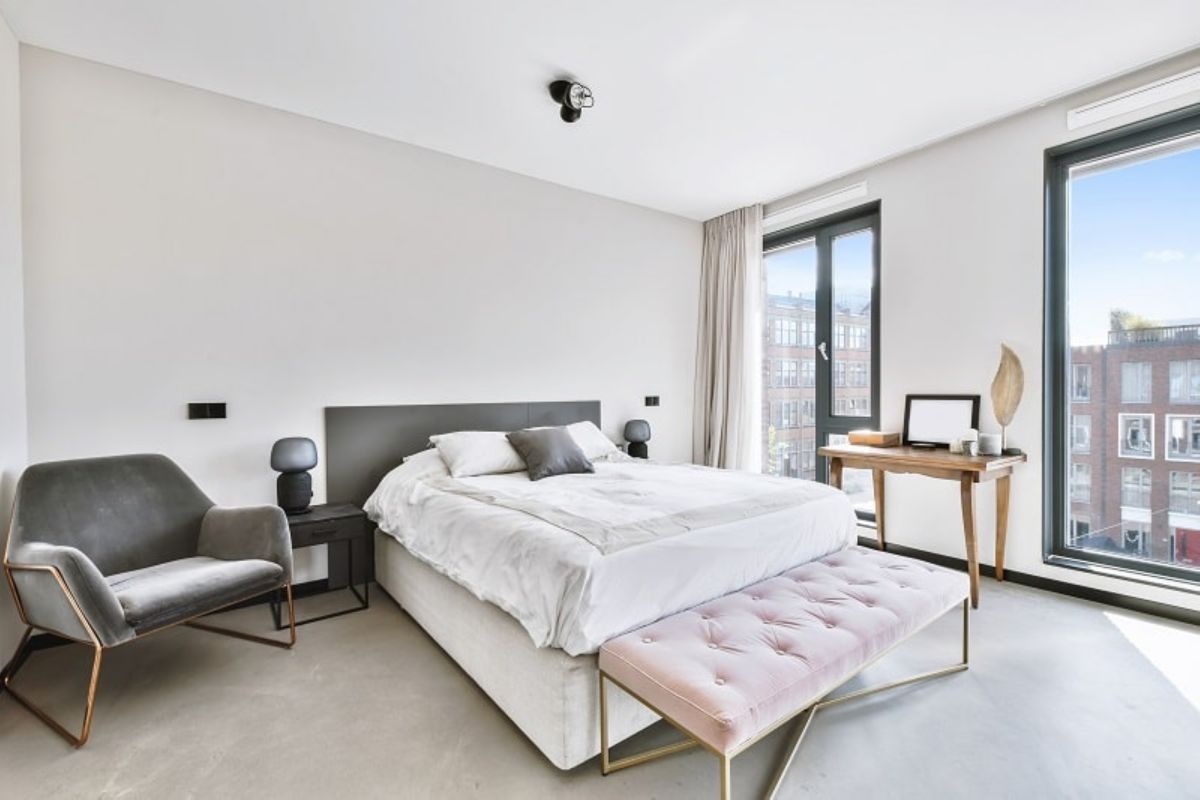
Microcement is a thin finishing layer based on cement, resins and natural minerals. It is applied by hand in several thin layers, creating a strong and seamless finish. Its appearance is a bit like concrete: calm, sleek and with a subtle, lively structure. Not a floor that looks completely ‘flat’, but one with a natural look. It also feels good. Microcement feels firm and solid, but not as cold as you might expect with concrete.
The material has become popular in recent years because it can be used in many places. For example, you see it on walls, in bathrooms, on kitchen countertops and even on furniture. Because the layer is thin, microcement can often be applied over an existing surface. This saves demolition work and waste. And that is precisely why more and more people choose to use it as a floor: a microcement floor.
Why choose a microcement floor?
A microcement floor has a few features that go well with a more sustainable home. For a start, such a floor lasts a long time. The material is hard-wearing and can withstand intensive use, so you won't need to replace it anytime soon. This saves raw materials, transport and waste. In addition, microcement is applied in a thin layer, often only a few millimetres. In many cases, this can simply be done over an existing floor. This saves demolition work, waste and new materials. Microcement also consists largely of mineral raw materials, so relatively little material is needed to finish a large surface area.
Another advantage: a microcement floor is seamless. As a result, dust and dirt are less likely to get stuck in cracks or joints. Just mopping with a mild detergent is usually enough. Less maintenance also means less use of cleaning and other agents in the long run.
Get proper advice on a durable floor
A durable floor is not only about the material itself, but also about the way the floor is applied and finished. Consider, for example, coatings, adhesives and protective layers. Some finishes contain volatile substances that are less good for the environment or indoor air quality. Increasingly, therefore, finishes with low VOC values (substances that can evaporate from materials and affect indoor air quality) are being used. Microcement application is also real craftsmanship. The material is applied by hand and the final look depends heavily on the experience of the applicator. Therefore, it is smart to get good advice and look at examples of previous projects. This will give you a better idea of the colours, structures and possibilities.
Those wishing to delve further into this floor can, for example, check out g-flooring.nl. There you will find more information about microcement, different applications and examples of floors in real homes. Useful if you are still in doubt or looking for inspiration for your own interior.
Does microcement flooring suit your home?
Microcement fits into many different living styles. Its calm appearance makes it easy to combine with wood, steel, colour on the wall or minimalist interiors. The floor is available in various shades and textures, so it adapts well to the atmosphere of your home. Also practical: the floor works well with underfloor heating. Because the layer is thin, heat is quickly absorbed and evenly distributed in the room. This makes for a comfortable home and can help you use energy more efficiently. In short: if you are facing the choice of a new floor, it may be worth looking into microcement. It is strong, low-maintenance and its long lifespan makes it an option that fits well with a more sustainable home.
Photo credits: g-flooring.nl.