
More and more people are putting up a bee hotel in their garden or on their balcony. A great idea, of course, but without flowers, bees won't get much out of it. Fortunately, there are plants that bees, butterflies and other insects love. We present to you on a silver platter: the top ten bee-friendly plants. It's going to be a feast! SpoilerThere's a good chance many of these flowers will blow in on their own!
Why flowers are so important for bees and other insects
Bees are having a tough time. Pesticides, fewer flowers, and an increase in paved gardens mean there's simply less food to be found. And it's not just the bees that notice this. Butterflies, hoverflies and other pollinators are also becoming increasingly scarce. This is quite worrying, as it is precisely they who are responsible for pollinating a large proportion of our plants and crops. No bees, no food! Putting up a bee hotel is therefore a good start, but without flowers nearby, bees still have little to eat. The trick, therefore, lies in the combination: a place to nest and enough nectar and pollen. Native (organic!) plants are often the best choice for this. They naturally belong here and our insects have been adapted to them for thousands of years. Many bees and other pollinators immediately recognise these flowers as a food source and can easily access the nectar and pollen. Sow or plant them near your bee hotel, and you'll really be giving pollinators a helping hand!
ALSO INTERESTING: all about non-toxic plants!
Ten favourite bee-friendly plants for bees and other insects
Which flowers do bees actually find attractive? Thankfully, research has been done into this. The Dutch organisation BeeGrateful analysed thousands of observations of pollinating insects on various plants. This creates a clear picture of plants and flowers that bees, butterflies, and other insects are attracted to time and time again. The nice thing is that many of these bee-friendly plants can simply grow in our gardens and are often native too. Sow or plant a few of these species near your bee hotel, and you'll soon turn your garden or balcony into a small insect restaurant.
- White clover: a low-growing plant with white, ball-shaped flowers that you often see in fields and lawns. Precisely because it looks so common, it is often underestimated. For bees, white clover is a very nice and easily accessible meal.
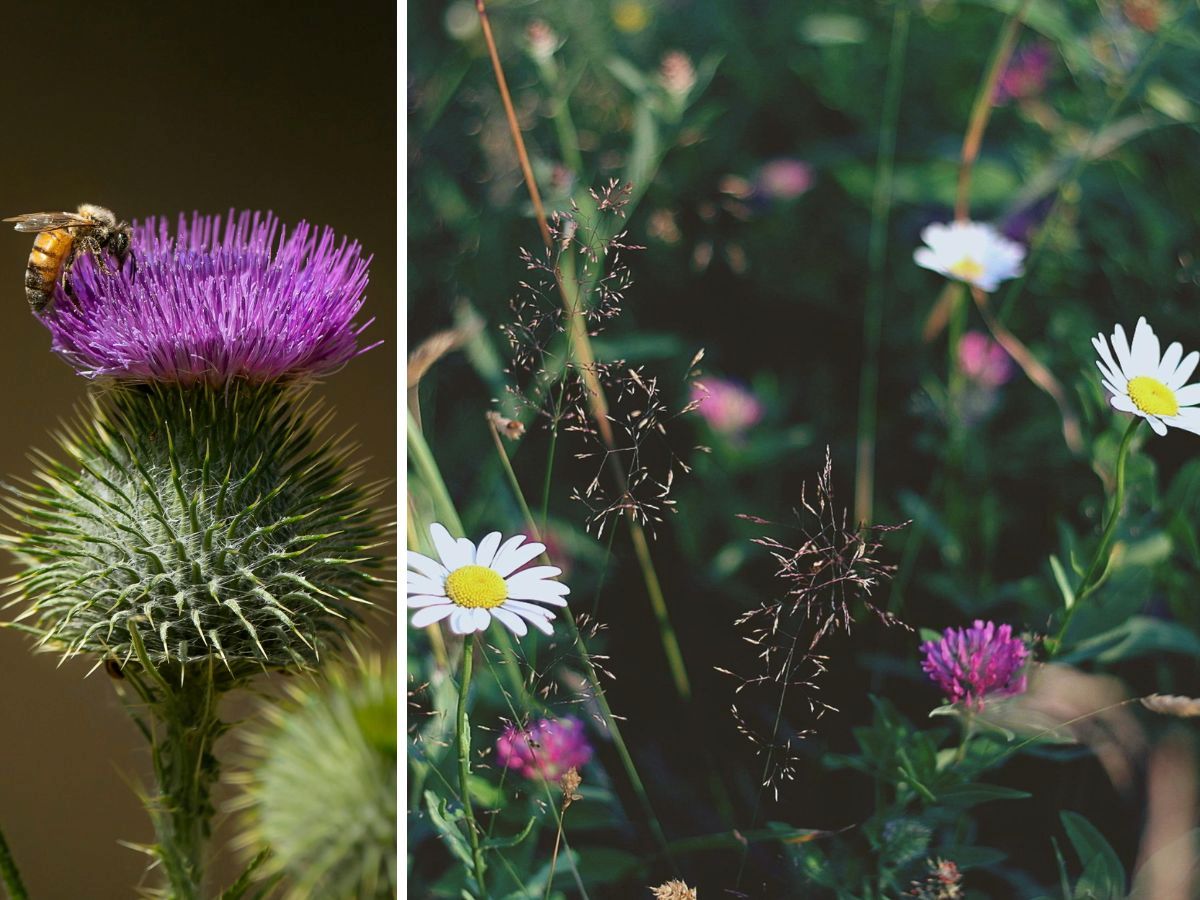
- Red clover: a slightly taller clover species with pink to reddish-purple flower heads. This bee-friendly plant looks good in a somewhat wilder garden and does well in floriferous borders. Bumblebees are particularly fond of it.
- Buttercup: a cheerful yellow flower that shines as if coated in varnish. You'll see it a lot in meadows and verges. A lovely plant for insects and good for bringing more colour and playfulness into your garden.
- Daisy: A small, white flower with a yellow centre that almost everyone knows from lawns and verges. Modest, but certainly not unimportant. It is precisely this early and accessible flowering that makes it valuable for insects.
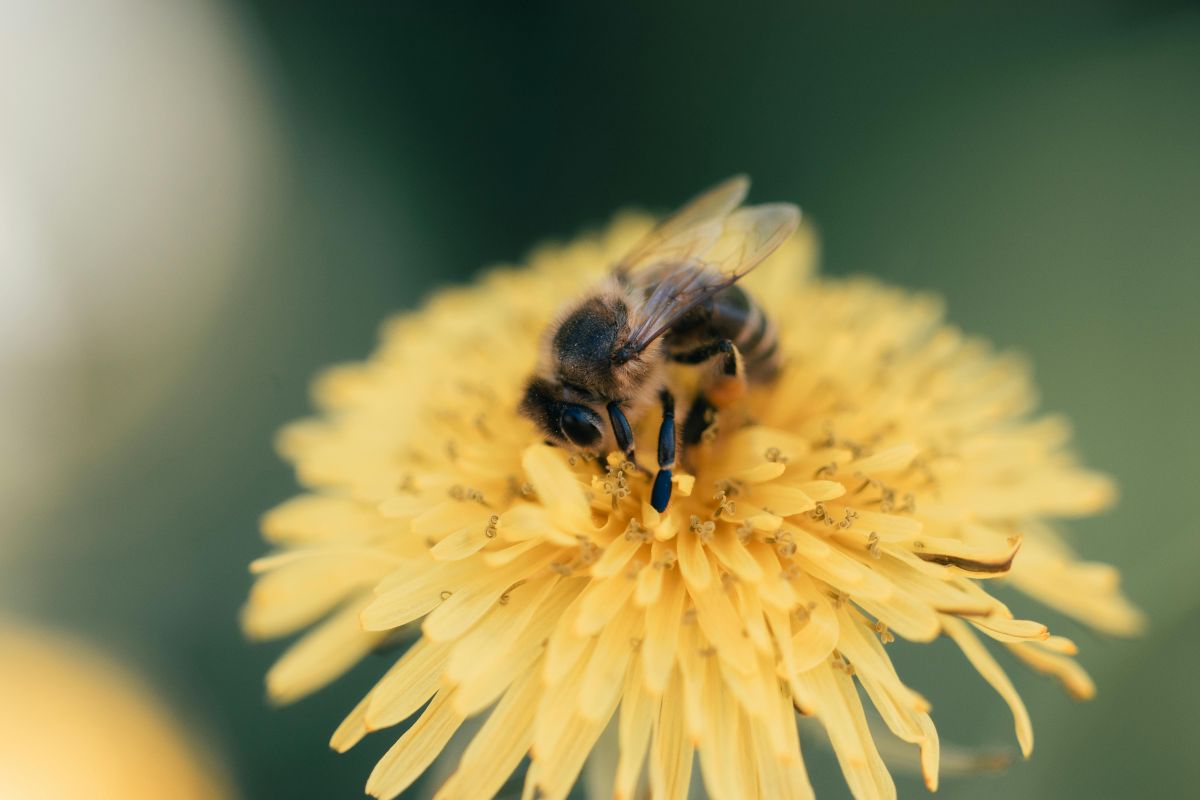
- Dandelion: bright yellow, indestructible, and often unfairly dismissed as unwanted. Yet, for many bees, this is one of the first and most important food sources of the year. So, by all means, let this bee-friendly flower be.
- Knotweed: a native flower with purplish-pink, slightly prickly blooms that attract many insects in the summer. It has a lovely wild and natural appearance. In a sunny garden, this is a real winner for bees and butterflies.
- Cow parsley: a light and airy plant with white umbelliferous flowers that you often see along roadsides and ditch banks in the spring. It immediately gives your garden a loose, natural look. All sorts of small pollinators also know how to find it.
- Common bird's-foot trefoil: a low-growing plant with small yellow flowers that resemble mini pea flowers. Very suitable for a sunny spot and also looks good in a wilder patch of lawn. Bees particularly like to visit it.
- The spear thistle: a robust plant with purple-pink flowers that stand out above other plants. Perhaps not the most cuddly species, but a very valuable one for pollinators. Butterflies and bees, in particular, make good use of it.
- Ragwort: a striking plant with clusters of bright yellow flowers. It attracts many insects and brings life to the garden. Definitely one for a wilder, more natural corner.


Links: cow parsley, right: a lovely mix of daisies and red clover. And the wildflower field is likely the full house of this native flower bingo.
Let nature take its course a little
The wise lesson once again: do less in your garden. Don't immediately remove some spontaneous bloomers. Bee-friendly plants such as dandelions, clover, or daisies are often called ‘weeds’, but for bees, butterflies and other insects they are incredibly valuable. And they produce beautiful flowers, so why would you pull them out? They are native plants that have been growing here for centuries and on which many insects rely for nectar and pollen. Want to lend a hand yourself? In April, you can collect free native flower seeds at many locations in the Netherlands from a collection point of the Bee food bank and also The Seed Library it's worth checking out. This makes it very easy to make a small piece of garden, balcony or facade greener and more attractive to pollinators. Good luck with your bee-friendly garden! You've got this!
Sources: Ouder-Amstel Weekly. Photo credits: Diana, Pexels (main image). Other: Griffin Wooldridge, Pexels (Cow Parsley), Hendrikas Mackevicius, Pexels (Daisy and Clover), Francesco Ungaro, Pexels (field with flowers).