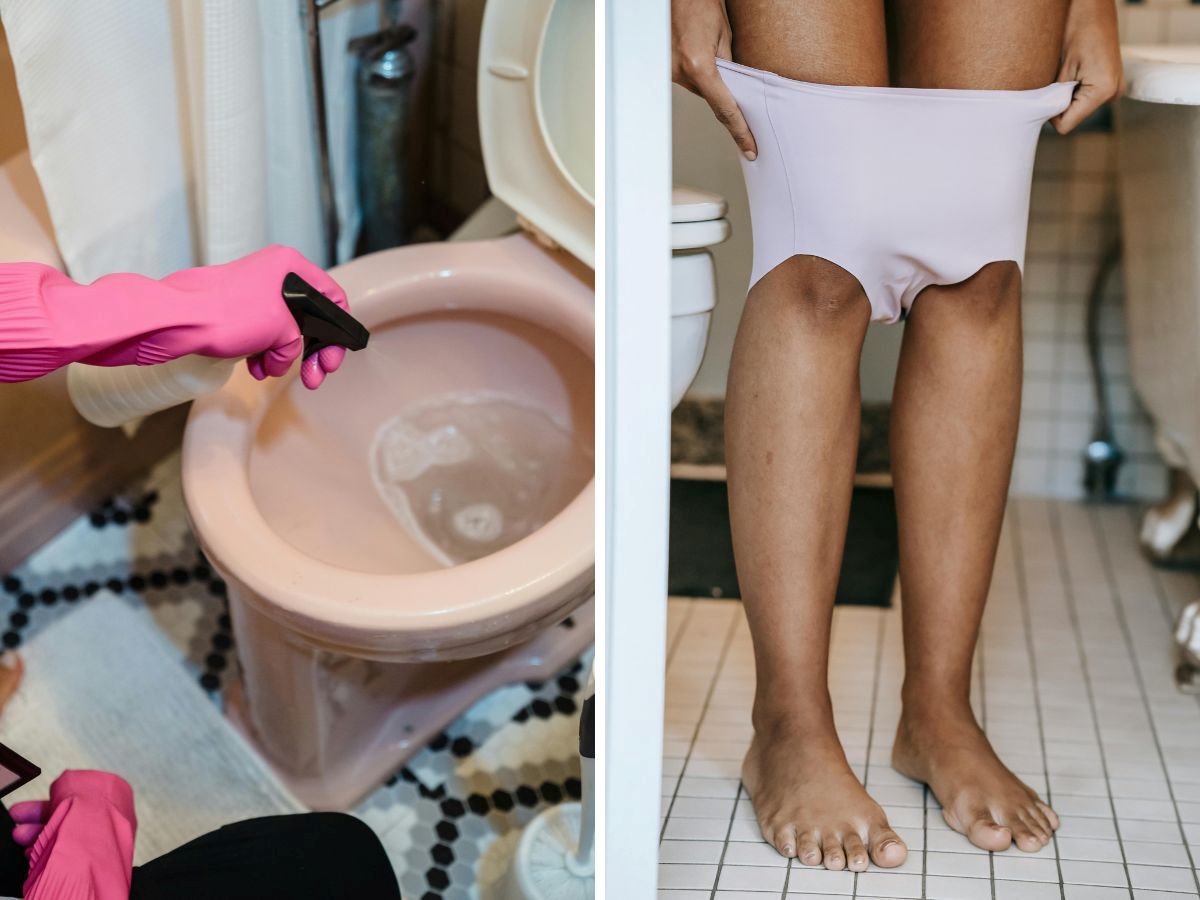

Chlorine may seem like the tool to get your toilet clean, but appearances can be deceiving. It only disinfects, while limescale and urinary stone remain. Moreover, chlorine is bad for the environment and unhealthy to breathe. Fortunately, there are simple, natural alternatives that do work. Your grandma already did it that way.
Cleaning the toilet in an eco-friendly way? It can be a lot simpler!
The shelves are full of them: bottles in bright colours, with promises such as extra strong and ultra fresh. But you often don't need all that fierce cleaning stuff at all. Especially in the smallest room of the house, those so-called powerhouses do less than you think. For a clean, fresh toilet, all you need are a few simple and eco-friendly toppers: vinegar, citric acid, baking soda and green soap. They are cheap, safe and at least as effective. And with these tips, you'll know exactly how to use them.
Toilet descaling with citric acid and vinegar
Trouble with limescale in the toilet? With citric acid, you tackle that very easily. Anyway, citric acid is an all-rounder in various cleaning jobs. Sprinkle four tablespoons of citric acid in the pot at night, let it soak overnight and brush and rinse the next morning. This is how you clean your toilet while you are sleeping, it doesn't get any easier. Is the scale more stubborn, such as urinary stone? Then a combination of citric acid and vinegar will help. Mix one litre of natural vinegar with one cup of citric acid and pour this mixture into the toilet. Leave it for at least 12 hours. The next morning, brush and rinse and you have a fresh pot without the smell of chlorine.
Toilet cleaning with baking soda and green soap
Besides citric acid and vinegar, there are other remedies that work wonders in the toilet. Baking soda is one such. Sprinkle some baking soda in the pot, pour a splash of vinegar over it and let it fizz. That foaming effect helps loosen dirt. A quick brush and you're done. Like citric acid, you can also quietly stock up on baking soda in large quantities, as it is going to come in handy for a lot of cleaning jobs. For daily cleaning of your toilet, green soap is also ideal. It is gentle, eco-friendly and makes your toilet fresh without harsh chemicals. Dissolve a little soap in warm water and use it with a cloth or brush for a quick clean.
A fresh toilet without the smell of chlorine
For a clean toilet, you don't need aggressive powerhouses. Simple remedies like citric acid, vinegar, baking soda and green soap will get you a long way. They are cheap, safe and much kinder to the environment. Moreover, they can often already be found in your home. By cleverly combining them and letting them soak in overnight from time to time, you will save yourself a lot of scrubbing and keep your toilet spotlessly clean. The good thing? From now on you will have a fresh pot without the smell of chlorine in your home. Better for you, better for your family and better for the planet. Want to learn more about the environmental impact of your toilet? Because there are also a lot of gains to be made with your pull-through habits. And if you are a fan of damp toilet paper, you should definitely also read this article.
Additional tips for a really clean toilet
- Under the rim: this is where dirt often hides that you can't see. Use a spray bottle with water and citric acid and spray it well under the rim. Leave for a while and then brush after.
- The toilet seat: clean the seat and outside with a soak of green soap or vinegar. Avoid harsh agents: they can damage the plastic and are not necessary for a fresh result.
- The flushing mechanism: is there limescale in the reservoir? Leave a solution of citric acid there too for a few hours. This will prevent limescale from ending up in the pot again and again.
- The right brush: choose a plastic-free toilet brush made of wood or bamboo with natural bristles. Many brushes contain nylon, and microplastics can come from that when used. More and more eco-shops and sustainable brands offer alternatives that clean just as thoroughly, without microplastics ending up in the water.
- Toilet block cleaners are major spreaders of microplastics, research shows.
Sources: Life without waste, What's in what, What's in what, Pubmed. Photo credits: Liliana Drew via Pexels (left), Sora Shimazaki via Pexels (right).