
The printer indicates that it has run out of ink. Arghh, you always find that out during a print job. So let's order a new cartridge and postpone the print job. But what do you do with the empty ink cartridge? A little research tells us that a cartridge is e-waste, not small chemical waste as many people think. But why is it really?
This is how to properly dispose of an empty cartridge
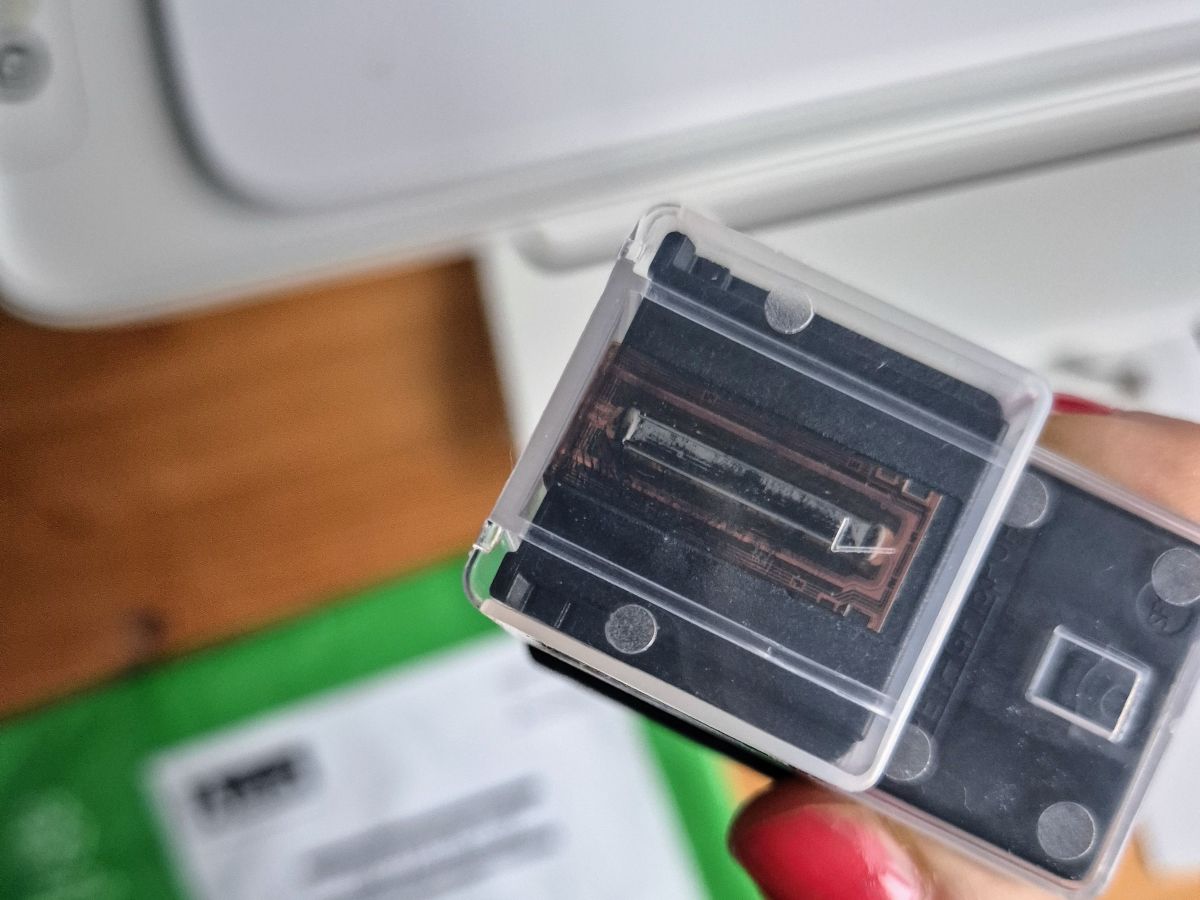
So an empty cartridge is electronic waste, e-waste in other words. And we find that quite surprising, because it doesn't exactly look like a device like an electric toothbrush or a mobile phone. And yet, most ink cartridges have a chip that transmits data to the printer, making it e-waste. By collecting the cartridges separately, that chip and other small parts of valuable raw materials, such as copper and plastic, can be recycled. When recycled, these materials are recovered and can be reused in other products, such as new electronics or packaging materials.
Fortunately, recycling cartridges is very easy. At the entrance of many supermarkets, DIY shops and environmental centres, there are e-waste bins where you can hand them in. In addition, some shops, such as 123inkt.nl, offer a convenient return envelope. This allows you to send the empty cartridges back for recycling free of charge and even get a small amount in return (or make a donation to charity).
Empty ink cartridge: e-waste, but not small chemical waste
We noticed that many followers mistakenly thought that an empty ink cartridge belongs to small chemical waste, but this is not true. While it is true that ink can contain minimal amounts of toxic substances, this is so little - especially with an empty cartridge - that it poses no risk to the environment or our health. It is especially important that the cartridge does not end up in the residual waste, as valuable materials will be lost. So, the next time your printer indicates that it has run out of ink, you know what to do. Deliver it to one of the e-waste points. That way, you give your empty cartridge a second, third or maybe eighth life.
More sustainable printing
And finally, an open door: printing less is always better, of course! With every print job, ask yourself whether it is really necessary. For example, can you save or share a document digitally? If you have to print anyway, opt for double-sided and black-and-white printing to save paper and ink. In addition, consider sustainable alternatives such as refillable cartridges or ink-efficient printers. In short, with a few small changes, you can make your printing habits more sustainable and contribute to a cleaner planet.
More sustainable office tips
- Also see: buying business stuff second-hand.
- Also see: tips for finding good second-hand gadgets.
- Also see: good habits on an office workday.
Sources: 123inkt.nl, waste separation guide.nl, consumerbond.nl, open.org foundation.