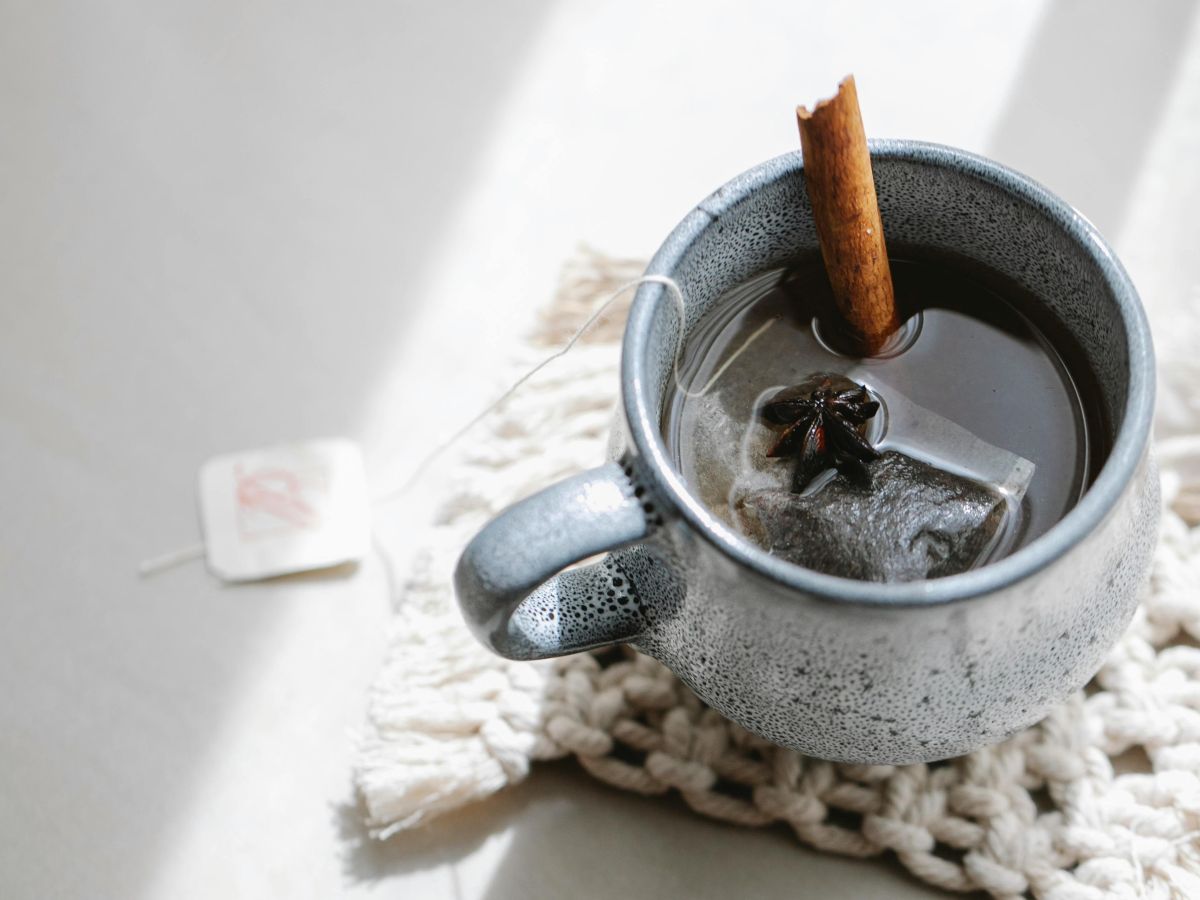

We previously shared a fine list of sustainable tea brands in a bag. Nice bonus: all these brands deliberately choose bags made of natural materials precisely to avoid microplastics. But wait a minute. So that also means that there are tea brands that do use plastic for their tea bags. Yikes. And yes, that plastic can come off as soon as you pour hot water over it. The result: microplastics ending up in your tea. Not a tasty idea.
Plastic tea bags
OK, you think you're doing nice and healthy things with a cup of tea. Herbs in a bag, hot water, maybe a piece of lemon to go with it. With every dip, and with every cup, some tea bags also give you microplastics. Getsiederrie. Research shows that. In 2019, for instance, it was measured that one plastic tea bag can release up to about 11.6 billion microplastics and 3.1 billion nanoplastics per cup in hot water, at a temperature of 95°C. Microplastics are already small, nanoplastics even smaller. Recent research shows that plastic tea bags can release millions to billions of these particles when boiled and can be absorbed by human intestinal cells. What that means in the long term is not yet clear. That they enter the body, however, is clear.
At the same time, researchers add nuance. Hans Bouwmeester, associate professor of Agrotechnology and Food Sciences at Wageningen University, says in the Volkskrant that we still know too little about the harmful effects of microplastics. Although the numbers sound large, the quantities involved are still much smaller than, say, a grain of sugar.
Microplastics in tea: identifying plastic tea bags
Chances are you've had these bags floating in your cup before. Plastic tea bags are remarkably often the triangular varieties that are slightly shiny and soft to the touch. They are flexible, don't tear like paper and feel almost velvety. That luxurious feel is no accident. These bags are often (partly) made of PET and nylon, so they stay sturdy and allow the tea to move nicely loose in them. They are often sold as premium or luxury, but it is precisely this type that comes up most often in research on microplastics. Paper tea bags feel duller, stiffer and more fragile, and also behave differently in hot water.
Whut: microplastics can be in tea before you brew it
Even if you do not use a tea bag, you are not always completely there. In fact, research shows that microplastics can already enter tea during cultivation and processing. Think of dust particles from the air, contact with plastic parts of machines or materials used along the way. Especially during leaf processing, such as rolling and drying, these particles can come along. You don't see them, you don't notice them, but they can be on the tea even before you turn on the kettle. You can read more about microplastics in food here.
Plastic-free tea (bags)
Fortunately, there are also simply options where this does not matter. Then you soon end up with paper tea bags or loose tea. Sustainable tea brands are often a fine adviser in this regard, as they are clearer about the materials they use. Good to know, though: many paper tea bags are not made of pure paper. They often consist of a combination of paper and a thin layer of plastic, sometimes biodegradable. That layer is used to seal the paper fibres, making the bag sturdier and less likely to tear in hot water. Another great solution is loose tea in A reusable tea infuser.
In search of plastic-free tea without plastics
Finally, it is good to know that plastic tea bags are currently just allowed. As long as the materials used comply with European and national laws and regulations, they are allowed to remain on the shelves. That does not automatically mean they are unsafe, but it does explain why you still come across them. Several tea producers say they are taking the studies on microplastics seriously and say they are looking at other materials. Until then, it mainly helps to know what's going on. Then you can decide what you are comfortable with in your cup.
Sources: beyondplastics.org, Box office, sciencedirect.com, Keuringsdienst van Waarde, Radar, Volkskrant. Photo credits: Charlotte May (Pexels).