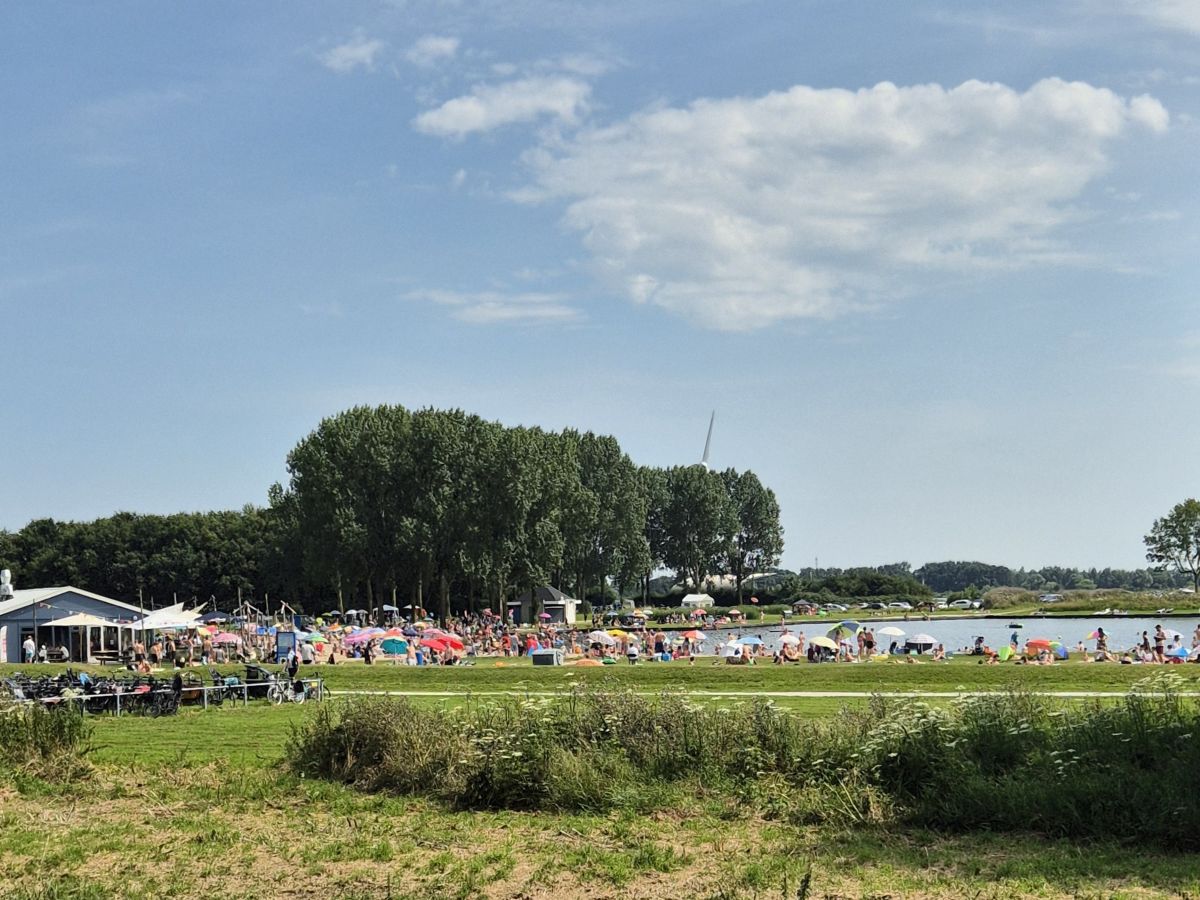

You jump into a lake on a hot day and only afterwards do you see it: green water, a strange haze, or thick, floating gunk along the edge. S**t! There's a good chance there's blue-green algae in the water. Especially in the summer, blue-green algae is appearing more and more often in the Netherlands – a fitting pun. It's not just annoying, but also unhealthy. How does it actually form? And is there cause for panic if you've swum in it anyway?
Blauwalg ontstaat als een gevolg van eutrofiëring. Dat is een toestand waarbij er te veel voedingsstoffen, zoals fosfaten en nitraten, in het water terechtkomen. Deze voedingsstoffen zijn vaak afkomstig van meststoffen op landbouwgrond, rioolwater en industriële lozingen. Wanneer deze voedingsstoffen de waterwegen bereiken, fungeren ze als een soort "mest" voor cyanobacteriën (ook bekend als blauwalg). Deze bacteriën, die van nature al in het water aanwezig zijn, hebben onder deze omstandigheden de ideale omstandigheden om zich razendsnel te vermenigvuldigen. Dit proces wordt ook wel algengroei of algenbloei genoemd. Factoren die de groei van blauwalg bevorderen zijn: * **Hoge temperaturen:** Blauwalg gedijt goed in warm water. * **Stilstaand water:** Beperkte stroming en menging van het water draagt bij aan ophoping van voedingsstoffen en blauwalg. * **Veel zonlicht:** Fototropisme, de neiging van planten en algen om naar het licht toe te groeien, helpt de alg aan de oppervlakte te blijven. Wanneer er te veel blauwalg aanwezig is, kan het een dikke, slijmerige laag vormen aan de oppervlakte van het water die giftig kan zijn voor zowel mens als dier.
Blue-green algae primarily grows in stagnant or slow-moving water rich in nutrients. These are substances that plants and algae grow from, such as nitrogen and phosphate. A small amount of these is normal, but in some places in the Netherlands, simply too much enters the water. Previously, we also wrote about dog faeces, for example, which cause a nitrogen problem. This excess nitrogen occurs, for example, because manure from intensive agriculture washes from fields and meadows into ditches and ponds via rainwater. Think of it a bit like plant food. The more nitrogen and phosphate in the water, the faster blue-green algae can grow. And that can happen incredibly quickly sometimes.
ALSO INTERESTING: Why anti-flea treatments for pets can also enter the water system and be harmful.
Add a few warm summer days and you have the perfect cocktail. Higher temperatures cause shallow water to warm up faster, giving blue-green algae free rein. The result: a greenish soup, floating flakes, and sometimes a musty, rotten smell. And yes, blue-green algae also cause problems underwater. When the algae grow en masse and then die off, the decomposition process uses up a lot of oxygen. This leaves less oxygen for fish and other aquatic animals. This can go wrong, especially on warm days, sometimes resulting in fish deaths.
Blauwalg is 'n term wat algemeen gebruik word om te verwys na 'n tipe bakterieë wat fotosinteer, genaamd siaanobakterieë. Hierdie organismes, wat voorheen as alge geklassifiseer is, kom wydverspreid in verskillende akwatiese omgewings voor, insluitend varswater- en soutwaterhabitats. Gedurende die somermaande, wanneer temperature hoog is en daar baie voedingstowwe in die water is, kan siaanobakterieë vinnig vermeerder, wat lei tot 'n "bloei" wat die water 'n blougroen of groen voorkoms gee. Hierdie bloei staan algemeen bekend as "blauwalg." Sommige siaanobakterieë kan gifstowwe produseer wat skadelik kan wees vir mense, diere en seelewe. Blootstelling aan hierdie gifstowwe kan verskeie gesondheidsprobleme veroorsaak, insluitend velirritasie, gastroïntestinale probleme en, in ernstige gevalle, lewer- en senuweestelselskade. Dit is belangrik om op te let dat nie alle siaanobakterieë gifstowwe produseer nie, en nie alle groenwaterbloei veroorsaak word deur siaanobakterieë nie. As jy 'n vermoedelike blauwalgbloei teëkom, is dit raadsaam om kontak met die water te vermy en troeteldiere en vee daarvan weg te hou. Die spesifieke vertaling van "blauwalg" na Engels is "blue-green algae".
Blue-green algae sounds like a type of algae, but officially it's a bacterium. A bacterium that can multiply at an astonishing rate in warm, nutrient-rich water.
Is it harmful to swim in blue-green algae?
A short swim in water with blue-green algae is usually not immediately dangerous, but it’s far from pleasant. Some people notice very little, while others develop skin irritation, itching, red eyes or mild stomach complaints such as nausea or diarrhoea. Children and dogs are particularly sensitive because they are more likely to ingest water. Dogs can sometimes become quite ill from it. If you've swum in water that later turns out to contain blue-green algae, rinse yourself thoroughly with clean water, and especially keep an eye on how you feel. If symptoms don't clear up on their own or if you become seriously ill, contact your GP. And if your dog is listless, nauseous or vomits after swimming, call the vet immediately!
If you're unsure whether there's blue-green algae somewhere, check beforehand swimming water.nl Download the Zwemwaterapp. Especially after warm weather, it's a luxury that's not unnecessary. Sometimes a lake looks fine, but there's still a warning in place.
Blue-green algae is becoming increasingly normal, and that's quite worrying.
So, blue-green algae isn't just some unsightly film on the water. It's also a sign that our ditches and ponds are becoming unbalanced due to environmental pollution and warmer summers. And because hot periods are occurring with increasing frequency, experts expect blue-green algae to appear more often. This means there's an extra reason to check the water quality before taking a dip. Hopefully, it will save you itchy skin, stomach pains, or a ruined day at the beach.
Sources: Highways England, newsletter Follow the Money (by Ties Joosten on 2/9/24).