
Citric acid can be used for cooking and baking, but it can also be used for many cleaning jobs. Do you suffer from limescale on your taps, sinks, kettle, coffee maker or other objects? Then try getting rid of it with citric acid. This natural remedy does miracles. And there are many more ways you can use citric acid to get your home shiny clean again. Caked pans, sweat stains on white clothes or rusty objects? All no problem for citric acid. In short, this panacea is a real all-rounder when it comes to cleaning ánd it is eco-friendly and cheap. So time to pay tribute to this fantastic remedy and share the best cleaning tips.
Ode to citric acid
These days, for every cleaning job, appliance or surface, you can find a special ‘handy’ product that promises to do the job even better, faster and shinier. With all these different products, your cleaning cupboards are in danger of overflowing, they are anything but environmentally friendly and you often don't need them at all. My conclusion: the best remedies our grandparents used were green soap, citric acid, natural vinegar and baking soda. These true all-rounders in the household are environmentally friendly, effective and dirt cheap. You can say that about few other remedies.
In this article, I take a closer look at citric acid and tell you why I am so enthusiastic about this cleaning product. Ever since I discovered citric acid, I have been able to tackle almost every cleaning job around the house. I am surprised every time how this miracle product makes stubborn limescale deposits disappear like snow in the sun. I couldn't live without this inexpensive jar in my cleaning cupboard. What is the secret anyway?


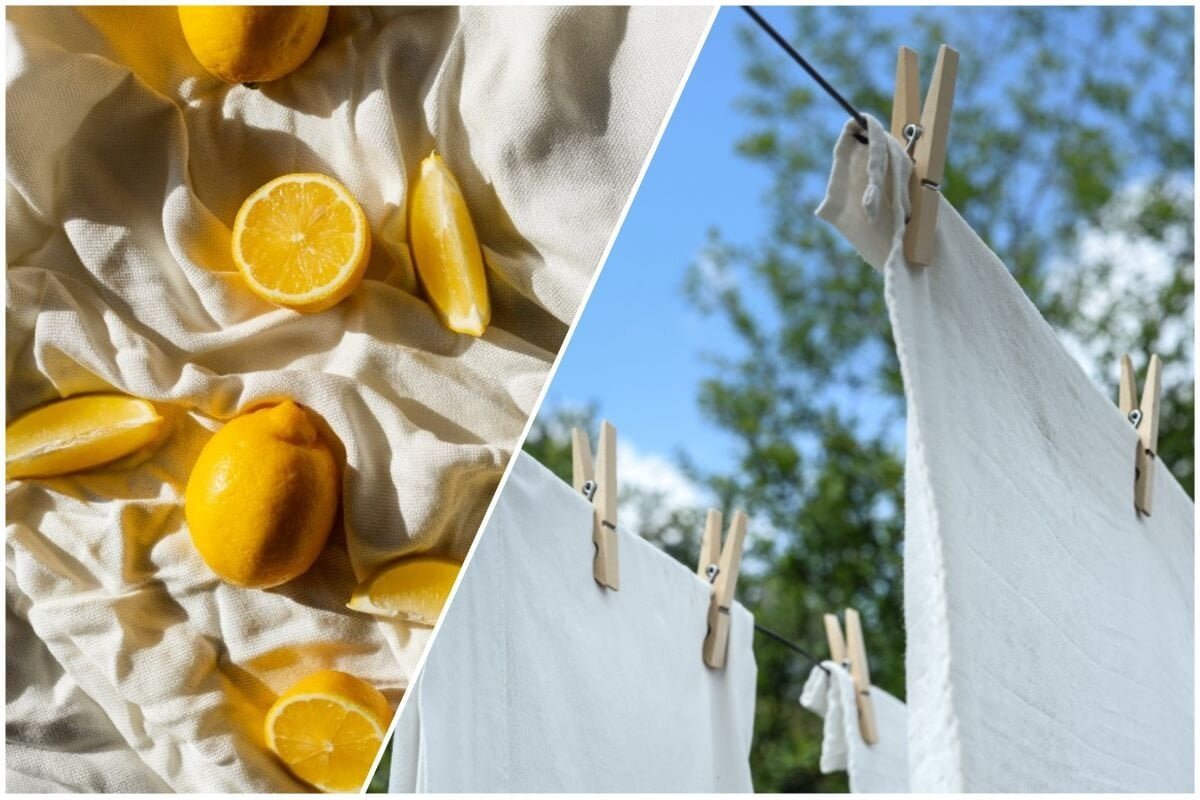
With lemons (yes, the fruit!) and with citric acid, you can clean really well and it's environmentally friendly too!
What exactly is citric acid?
Citric acid is often used as a flavour enhancer or preservative in foods and is also found in many cleaning products. But you can also easily use this natural agent yourself, for example for descaling or making jam or syrup.
Citric acid is an organic acid. That means it has a natural origin. It occurs naturally in citrus fruits, but also in other foods such as apples, berries and tomatoes. Even our bodies make citric acid.
Pure citric acid is a white powder resembling sugar. In terms of action, it resembles vinegar. Nowadays, most citric acid is factory-made by adding a fungus to sugar. The sugar is converted into citric acid by this fungus.
Be careful with citric acid
Now should you feel like cleaning right away, do read this warning before you get started. Citric acid can damage aluminium, marble and other limestone. So avoid using it here. And when heated above 40°C, the so-called calcium citrate can form, which is hard to remove. It is therefore better to be careful when heating citric acid just to be sure.
Environmentally friendly cleaning with citric acid: cleaning tips
Citric acid is especially ideal for removing limescale, but it can do even more. It acts as an antibacterial and disinfectant. Remember, though, that it is an acid and, like other cleaning products, should not be released into nature. Avoid contact with eyes and be careful with skin contact.
Make your kettle sparkling clean
What I use citric acid most for is descaling the kettle. Since discovering this remedy, I don't want anything else. It's so easy, is natural and doesn't smell. All you have to do is fill the kettle with cold water and add one or two teaspoons of citric acid. If you leave the kettle on for a few hours, the limescale will disappear on its own. If the limescale is very stubborn, you can help a little with a scouring pad. No need to turn on the kettle because it works fine with cold water. That also saves energy.
Of course, this trick works not only for your kettle, but also for other appliances where you suffer from limescale such as a coffee maker, iron, steam oven or egg boiler. Just make sure that for appliances that have an anti-limescale programme, the temperature does not exceed 40°C. Should this be the case, it is better to opt for Soda vinegar: this wonder drug also works well against limescale.
Caked-on pans: clean again in a jiffy
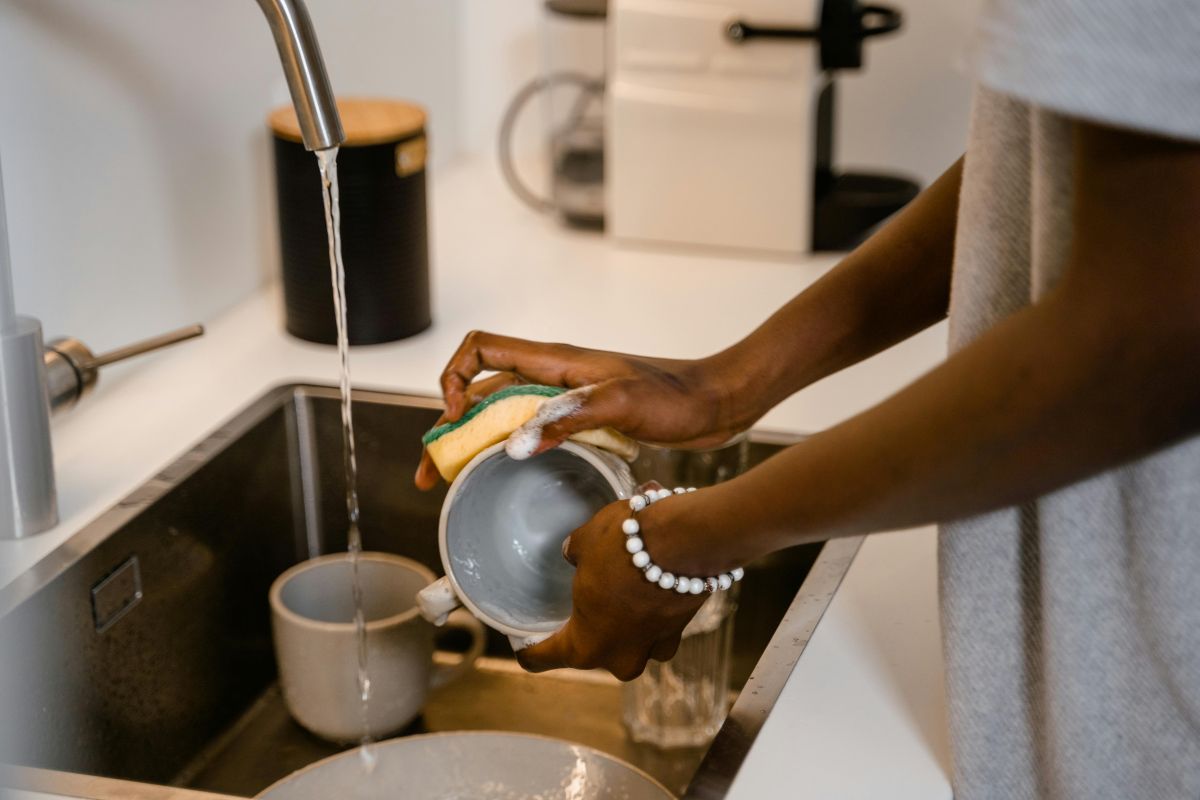
Do you have caked-on pans that you are struggling to get clean? Then try using citric acid. Put about a tablespoon of citric acid and a cup of water in a pan, let it soak in for a while and then scrub the pan clean with a scouring pad. Beware of pans with a non-stick coating though: here, use a soft sponge instead. You will see that the pan will be shiny clean again in no time.
Easily remove limescale deposits on your taps or shower head
Suffering from limescale on your taps? With citric acid, you can easily get rid of it. Especially the part where the water comes out quickly becomes clogged with limescale. Because citric acid works best when you let it soak in for a while, I always put a plastic bag around my tap that I fill with a little water and one or two teaspoons of citric acid. I fasten it with a couple of pegs so that the goodness can soak in nicely. After I let it soak for at least an hour, I take off the bag and most of the limescale is already gone. Should you still see any scale, you can now easily remove it with a scouring pad.
Loose parts such as filters of your taps or the shower head can easily be descaled by placing them in a bowl or bucket of water and a few tablespoons of citric acid. Again, let this soak for at least an hour and you will see that the limescale has disappeared like snow in the sun.


Hack to clean and lime the tap with citric acid.
Make your sink sparkling clean and free of limescale
Around the drain of my washbasin, limescale is regularly found. Here, too, I use citric acid to get my sink shiny clean again. I wet the surfaces with a sponge and then sprinkle a thin layer of citric acid on them with a spoon. I let it soak in for at least an hour. It hardens over time, but you can easily scrub it off with a little water and a scouring sponge and you will see that the limescale is gone too.
More cleaning tips with citric acid
Did I mention that citric acid is hugely versatile? You can also clean all this with this natural remedy:
- Get your windows sparkling clean again: to do this, use one litre of lukewarm water and one tablespoon of citric acid.
- Sleepily clean the toilet: put four tablespoons of citric acid in the toilet bowl at night, let it soak in overnight and brush and flush the next morning. Does this not work because there is a lot of limescale and urine stone in the toilet? Then try using a combination of vinegar and citric acid. Mix one litre of vinegar with one cup of citric acid and put the mixture in the toilet bowl. Leave it for at least 12 hours and then brush and flush it away.
- Get rid of rust: fill a bowl with water and add a few tablespoons of citric acid. Put the rusty object in it and leave it overnight. If necessary, repeat one more time.
- Descaling shower doors: take one litre of lukewarm water and two tablespoons of citric acid. Put this in a spray bottle and spray your shower door with it. Leave for ten minutes and then clean.
- Do you have yellow sweat stains on your white shirt or a shirt whose collar is dirty? Put about one litre of water and two tablespoons of citric acid in a tub and place the garment in it. Let it soak for a while and then machine wash the garment at up to 40°C. Be careful with delicate materials, of course. In this article, you will find more home remedies that star in removing stains.
- Make your own fabric softener: dissolve five tablespoons of citric acid in one litre of water. Add about fifty millilitres of this solution to each white wash in the fabric softener compartment. Not only will white laundry soften, but your washing machine will be descaled at the same time. Be careful to wash at 40°C at most. For coloured laundry, this fabric softener is less suitable, as citric acid has a slight bleaching effect. In this case, it is better to use vinegar use or follow this recipe.
What is the best way to store citric acid?
It is best to store citric acid in a tightly sealed container, such as a glass jar. Preferably store the miracle cure in a dark place, such as a cupboard. Above all, make sure no moisture gets in, as it will clump.
It's a miracle, it's citric acid
If you read this list like this, then you won't be surprised that I am so enthusiastic about this panacea in my household. Citric acid is cheap, long shelf life, safe around children and pets, it is natural and eco-friendly, non-toxic (even edible) and vegan. In short, it is a versatile product. Do you have another great tip? Be sure to let us know! You can get in touch with the editors via the follow and contact buttons at the bottom of this page.
More sustainable tips from thegreenlist.nl
- How can you wash as sustainably as possible? You can read it here.
- Baking soda is also a miracle cleaner for eco-friendly cleaning. Here are the best cleaning tips using baking soda.
Sources: Life without waste, What's in what, Natural Heroes, Handy Good, Wasbär Magazine, Smarticular, Utopia. Photo credits: main image: Steve Doig (Unsplash), fruit bowl with lemons: Julia Peretiatko (Unsplash), lemons on fabric: Vladimir Gladkov (Unsplash), clothesline: Skitterphoto (Pexels), other photos: Kirsten Schoner.