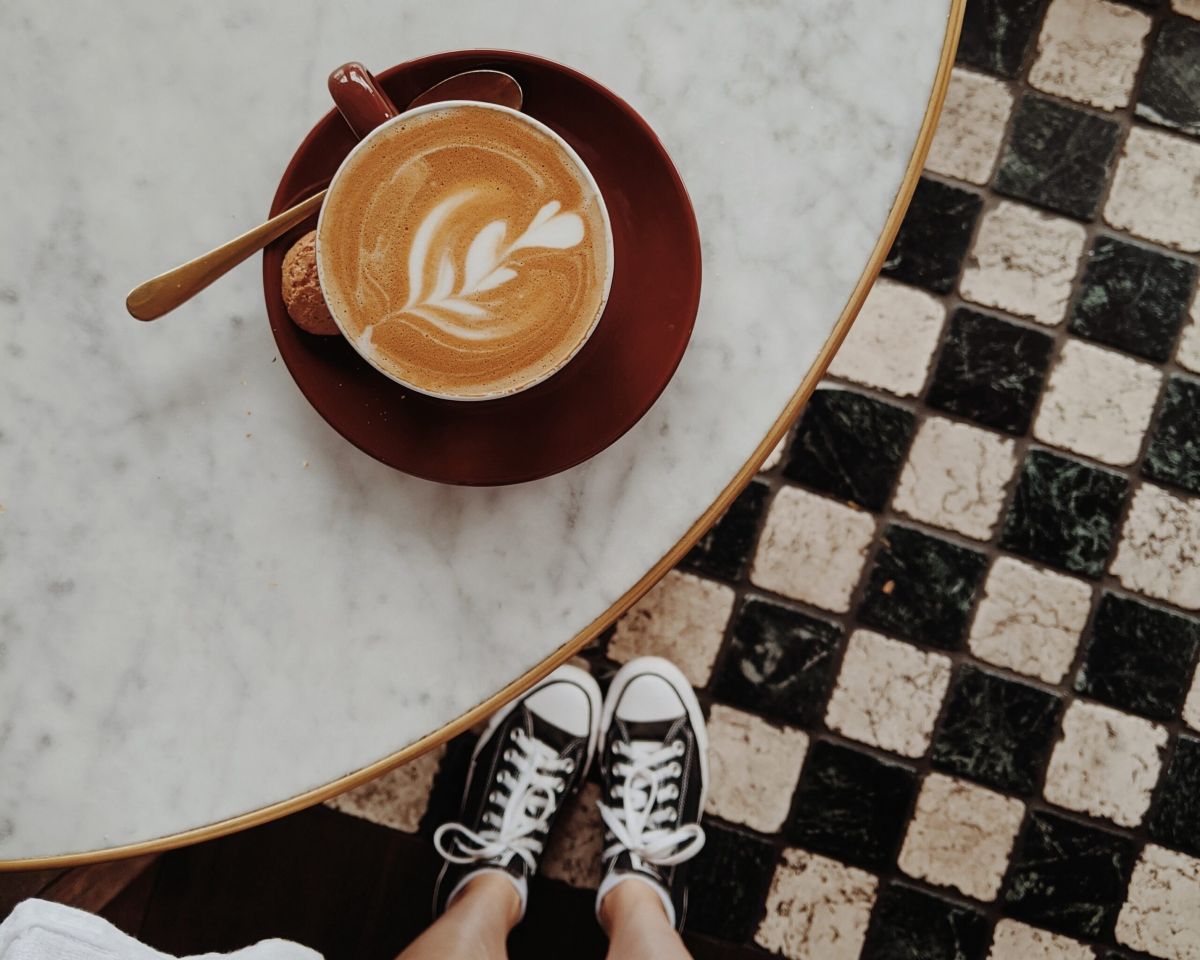

A cup of coffee is a great start to the day. Or you go for a nice coffee break with your friend or colleague. But behind that coffee is a whole web of (negative) impact. We dive into the world of sustainable coffee and discover that even small steps can make a big difference.
What's wrong with coffee?
When we are just enjoying a cappuccino or a punishing espresso, we don't always realise that coffee is a tropical product. That means coffee does not grow in the Netherlands. So we have to import it from South America, Africa and Asia by cargo ship. This puts a lot of transport kilometres, with accompanying emissions, in your bakkie pleur. But there are also quite a few problems with growing coffee. Coffee cultivation has a high environmental impact due to water consumption for irrigation and the use of fertilisers and pesticides. And due to the growing demand for coffee, more and more areas are unfortunately being deforested for coffee cultivation. The disappearance of (tropical) forest accelerates climate change and causes a huge loss of biodiversity.
What about the coffee farmers?
If the above environmental problems are not enough, coffee farmers are often poorly treated and underpaid. That makes your cup of comfort a bit more dismal, unfortunately. But we can't escape it; to produce our cheap cup of coffee, coffee farmers are paid so little that they can't make a living from it.


Buy coffee with the Fairtrade label, then you can be sure that the coffee farmers have had a better price for their hard work on the plantation.
How to drink more sustainable coffee
Should you then leave out your daily bakkie pleur? No, you won't. Fortunately, even with small steps you can make your coffee much more sustainable. Let me help you on your way:
Avoid wasting coffee
The Dutch drink an average of four cups of coffee a day. But in addition, we also pour some 23 litres of coffee down the drain per Dutchman per year. Now, that's a lot! Of course that is a shame, so much effort went into growing that coffee and getting it to your machine. So the main difference you make is by not making more coffee than you drink. It can be as simple as that! This is easier with coffee cups or cup machines, than with filter coffee. And also a espresso machine brew customised coffee. But be careful not to leave it on all day and waste energy. Put or pour your coffee into a thermos to keep it fresh and tasty for longer. That way you waste as little of your cup as possible!
Use plant-based milk or drink your coffee black
A latte has a 14 times higher climate impact than an espresso, according to Milieu Centraal. This is due to the high CO2 emissions and environmental impact of milk products. Black coffee therefore has the lowest climate impact of all cups of coffee. If you like to drink milk in your coffee, preferably choose vegetable-based milk. There is a wide choice of (frothy) oat milk, rice milk, soy milk, coconut milk and almond milk for coffee.
Choose certified coffee
Because the environmental impact of coffee is so great, it makes a big difference which coffee you drink. If you choose top labels such as Rainforest Alliance, EU organic, Fairtrade or EKO label, you make a conscious and better choice for coffee with less environmental impact and/or better working conditions for coffee farmers. Want to know more about hallmarks? We have written an extensive article on this.
Choose direct trade coffee
Direct trade coffee is the latest development in coffee land. And that's good news for coffee farmers! By trading directly with coffee farmers and not spending money with middlemen, farmers get fair prices for their coffee beans. By paying a fair price to coffee farmers, your cup of coffee still drinks that little bit better. Want to know more about direct trade? There are some coffee tips at the bottom of this article. And be sure to watch the episode of The Price Bargain about it.
Use reusable cups
If you make coffee with a cup machine, choose reusable cups. That way, you produce a lot less waste than with disposable ones. Reusable koffiecups you have to fill yourself, but last for ages. Even though big brands claim their aluminium cups are recyclable; it takes a lot of energy to do this. And besides, many cups are simply thrown in the rubbish. Such a shame!
Biodegradable coffee cups
Biodegradable coffee cups are also increasingly being advertised. We at thegreenlist.nl not so enthusiastic. Although it is a nice idea, in practice it turns out that it is not possible to break down these cups. So they should definitely not be added to the VGF waste, but simply to the residual waste to be incinerated. Although aluminium takes a lot of energy to recycle, these cups can be 100% recycled. Want to know more about this? We discussed it with a packaging expert from Milieu Centraal.
Bring your own cup
Do you regularly get a cup of coffee out the door? Then bring your own cup to avoid a lot of unnecessary waste. Many coffee shops even give a discount if you bring your own coffee cup, such as Starbucks, Kiosk, De Broodzaak and AH to go. Update: since 1 July 2023, you have to pay for disposable cups, including coffee cups. Yet another reason to always have your own cup in your bag!
Reuse your coffee grounds
You can dispose of coffee filters with coffee grounds in your GFT container. But you can also use your coffee grounds in other ways at home. Coffee grounds make an excellent soil enrichment agent for your garden or houseplants. And if you use it in your vegetable garden, it will scare away slugs and snails. You can also use coffee grounds to grow up delicious oyster mushrooms. And if you mix dry coffee grounds with an oil, you can also use it as a scrub in the shower. Some even say it reduces your cellulite!


Sustainable coffee: part of the improvement is in your own coffee habits. So you can buy labelled coffee. The Rainforest Alliance frog is also a good one to look out for. Besides, your coffee grounds are also very good food for your soil.
How do you drink a sustainable cup of coffee?
Of course, what is the best choice for sustainable coffee depends on your taste. But making coffee to order and wasting as little as possible is a very easy and sustainable step. Black coffee is more sustainable than coffee with milk, although plant-based milk is a good alternative. Choosing labelled coffee and reusable coffee cups are also very good sustainable choices. And, of course, you earn extra bonus points by having your own cup and reusing your coffee grounds.
Beautiful sustainable coffee brands
Finally, to give you a head start, I am sharing some more sustainable coffee brands worth trying:
- Moyee goes for FairChain, where coffee farmers get a fair price and the beans are roasted in the country of origin. Moyee sells coffee beans, espresso grinds, filter grinds and biodegradable cups.
- Wakuli pays a better price to farmers and roasts their light (!) coffee in the Netherlands. Wakuli sells coffee as beans, ground and in biodegradable cups.
- EEK buys their coffee directly from farmers in Brazil and Guatamala for a fair price. In addition, for every kilo of coffee sold, EEK invests 50 cents in nature and climate for positive impact. EEK sells coffee beans.
- Speciality coffee suppliers of Usawa strive for equality in the world and buy their coffee at fair trade prices. Usawa supplies coffee beans, quick-fill grind, espresso and french press grind.
- Medellin secret buys through direct trade from coffee farmers for fair prices. Medellin secret sells coffee beans, espresso, filter grind and french press grind.
- The fair trade and organic coffee of Fairtrade original is bought at fair prices for a living wage for coffee farmers. Fairtrade original is available in supermarkets as coffee beans and quick-fill grind.
- Black coffee sells direct trade coffee, purchased directly from the local coffee farmer. Black Coffee sells coffee beans, espresso and filter coffee.
- Coffee boys produce coffee with the Rainforest Alliance seal of approval.
- Terra Etica sells organic and fair trade coffee. Terra Etica is available as coffee beans, espresso, filter grind and instant coffee.
- The list of sustainable coffee brands that want to do better is much longer thanks to this list. Consider also, for example, sustainable coffee from Peeze, from Simon Levelt or from Café Intension.
More sustainable shopping tips from thegreenlist.nl
- Also see: choosing wine more sustainably.
- Also see: cheap shopping, but sustainable.
- Also see: this is what we learned about tea!
Sources: Coffee & Tea Netherlands, Volkskrant, Milieu Centraal. Photo credits: Hunter (Pixabay), Juan Pablo (Pexels), Chevanon (Pexels), thegreenlist.nl.