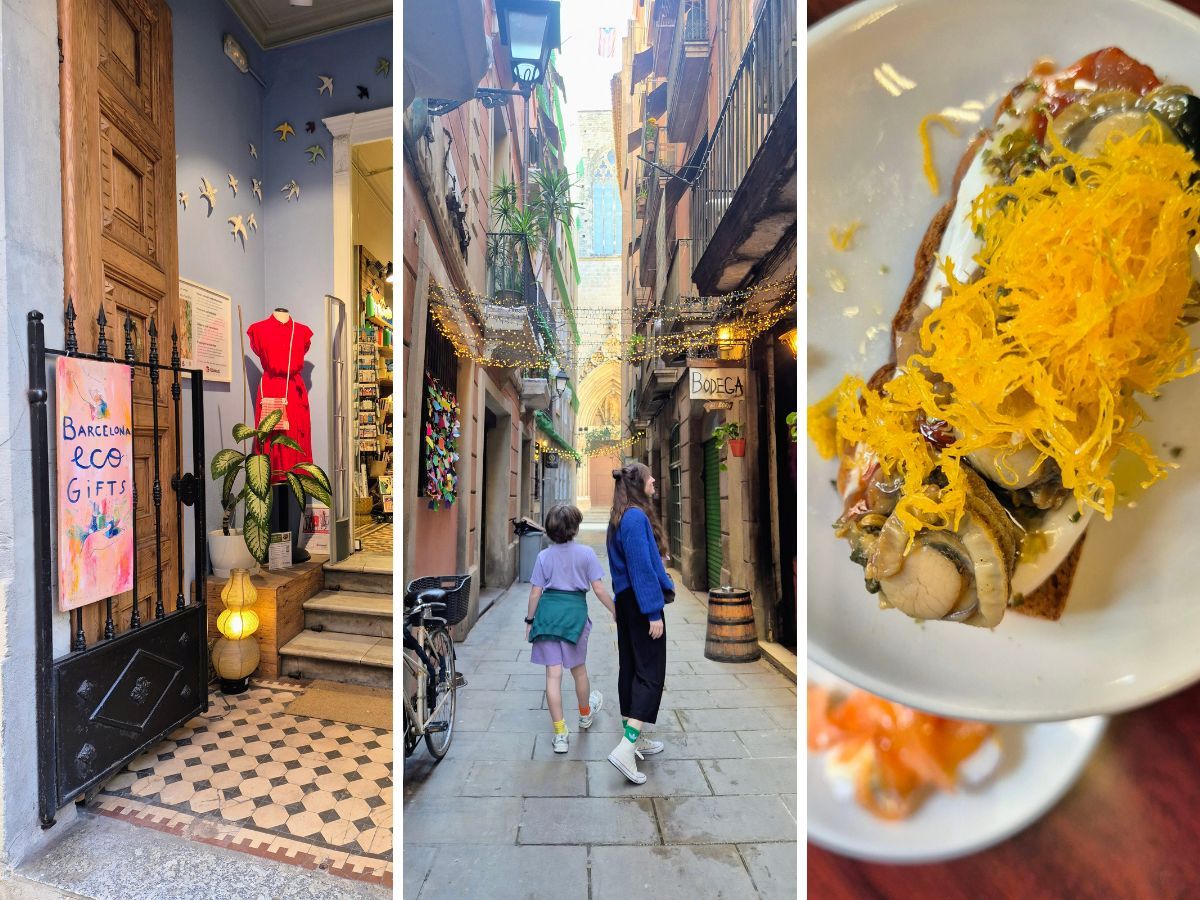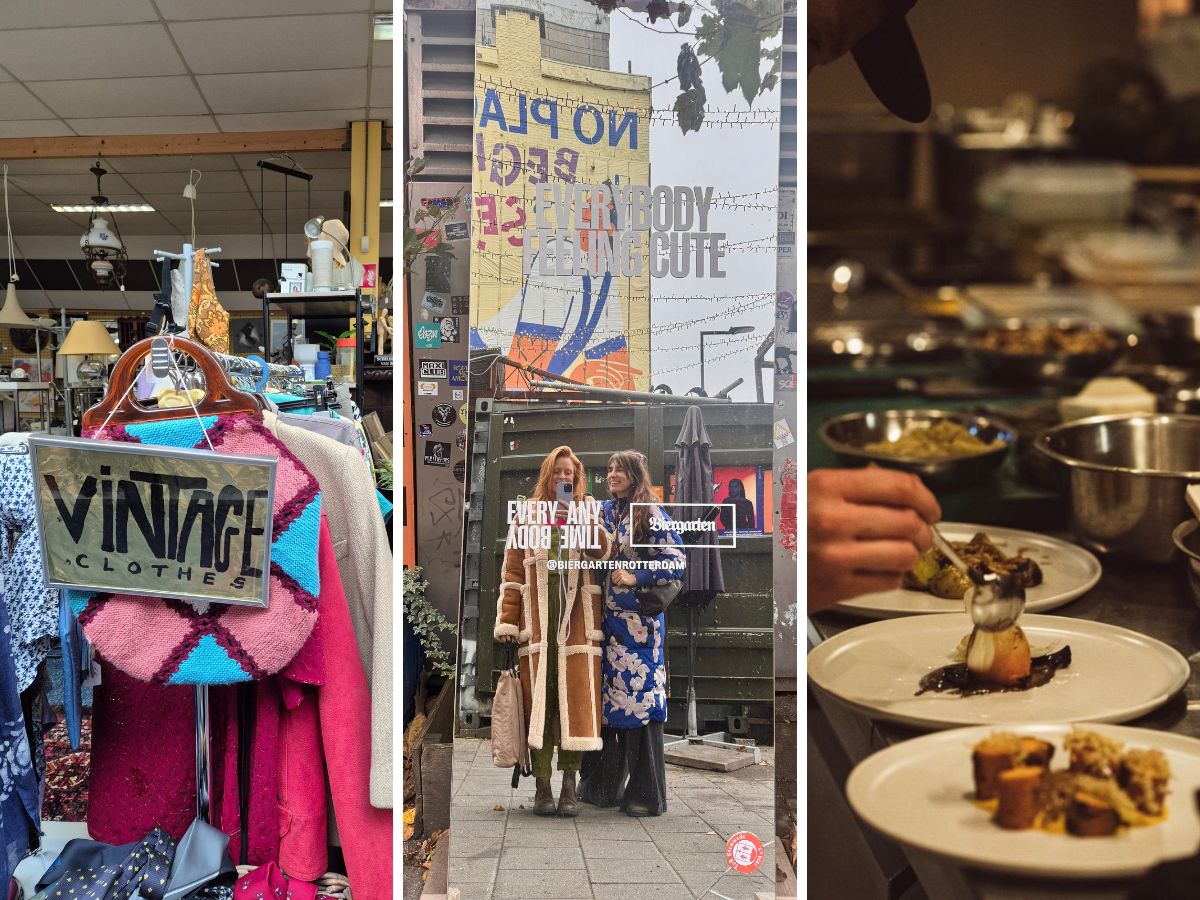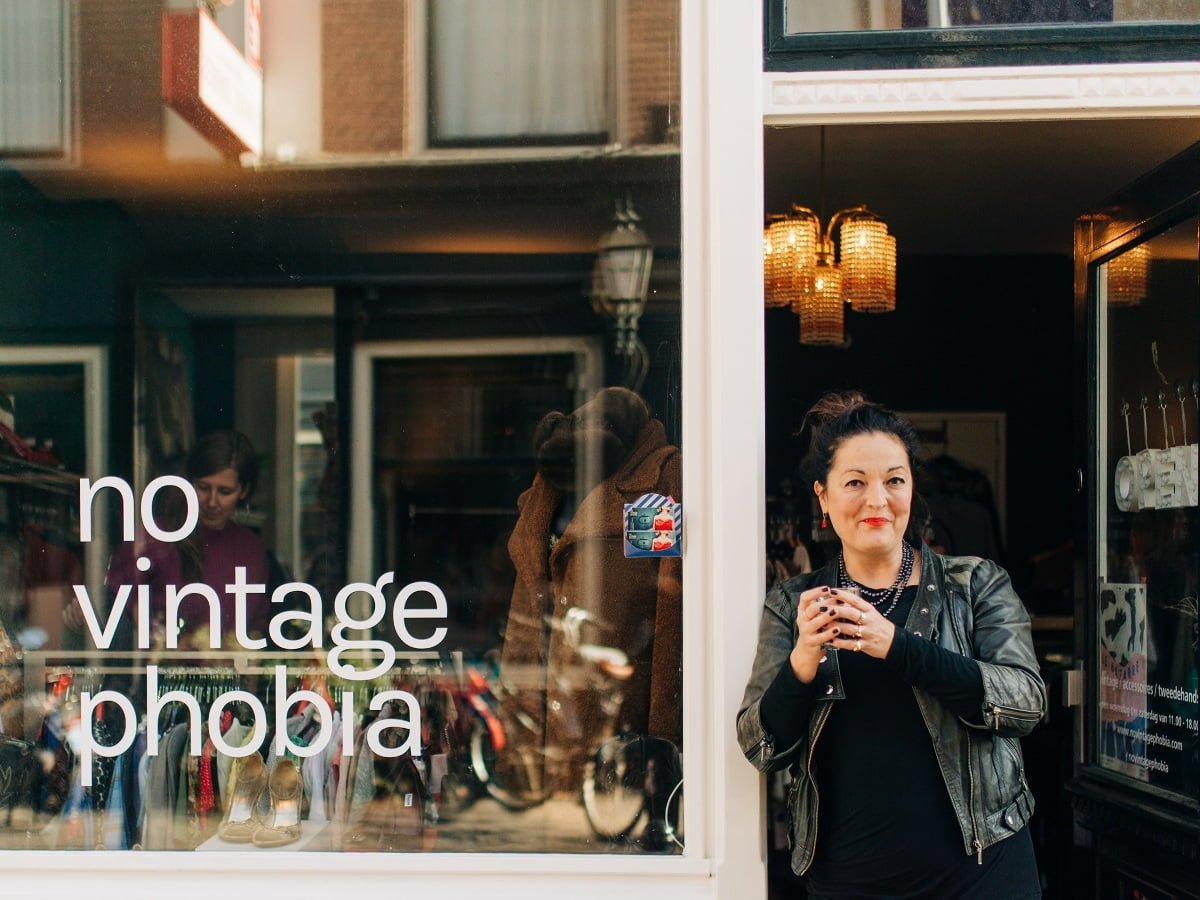

You're on holiday and strolling through those narrow streets of that quaint little town. Smells, colours and everywhere you look, you see souvenir shops. Almost all of them sell exactly the same thing: fridge magnets, shot glasses, coffee mugs, pens, T-shirts with ‘I love Rome’ on them. Wearing your pink holiday glasses, of course you take something with you as a souvenir, but once back home your treasure often ends up in the back of the drawer. A super shame really, right? We wondered about the negative impact of this urge to take a souvenir with you. And what are really nice and sustainable souvenirs to take home from your trip without feeling guilty?
Unfortunately, most souvenirs are not that durable
Of course, buying a souvenir is not all bad: you are taking home a happy memory! By choosing sustainable souvenirs and buying them in the right location, you even support the local economy. And by looking just that little bit better for that unique sustainable souvenir, the chances that your memory does get a nice spot on the cupboard are even higher.
The biggest negative impact of souvenirs is in the process of producing and transporting stuff. That's about 85% according to Babette Porcelijn of the book The hidden impact. This book clearly defines the impact of stuff. Many of the standard souvenirs are made in low-wage countries where their production is associated with poor working conditions and poor environmental laws. Raw materials and components for a souvenir have often gone through quite a journey before they reach the factory at all. Besides raw materials, you also have the effects of transport, packaging, offices, factories, use and final disposal. Can you imagine all that has to happen before your fridge magnet is in that Paris souvenir shop.
Besides all those scarce resources needed to make your souvenir, there is another important reason to think carefully about which tangible souvenir you bring home: many countries sell souvenirs that are banned in our country. And not without reason, read on.
Forbidden souvenirs
Banned souvenirs are on the market in many countries. They sometimes look harmless - or far from it! These are often souvenirs made from endangered plant and animal species. Some examples include: shark teeth, snakes, crocodiles, lizards, butterflies, turtles, ivory, corals, as well as beautiful large shells. In many countries, these animals are killed simply to sell to tourists. It is therefore important that we all stop buying these kinds of souvenirs. Indeed, it is forbidden to bring souvenirs of endangered plant and animal species into the Netherlands. Customs hands out hefty fines as soon as they come across such a souvenir in your luggage. Do you doubt whether a souvenir is made of an endangered plant and animal species? Then better not buy it. Want to be sure? Then you can check the Foreign Affairs and Customs travel app download. In it, you can see exactly which sustainable souvenirs you can and cannot take back to the Netherlands.


Sustainable and local souvenirs on Terschelling.
Which souvenirs are not allowed
- In countries where coral grows just off the coast, chances are you will come across jewellery with stones or beads made from coral in markets and souvenir shops. No matter how cute they look, they are forbidden ánd damage nature.
- Shells. I think everyone brought home shells as a child - and maybe still sometimes now. It is better not to do this, because chances are you have found a protected shell. So this one should stay in the country of origin.
- Anything made of ivory is banned. Ivory figurines, jewellery or bowls may look nice, but they really can't be. In many countries, animals are killed specifically for tourism.
- You are not allowed to bring weapons home. If you ask me, this speaks for itself.
- Bringing animal skin rugs is allowed in some cases, but in most cases it is not allowed because they are endangered animals. It is actually much better not to bring animal skins at all.
What other souvenirs are not allowed? Actually, I have already briefly mentioned it above. All souvenirs made from endangered plant and animal species are best left out.
Tips for finding sustainable souvenirs
Of course, we very much want to take home a nice souvenir of that fun holiday. So how can you buy a sustainable souvenir responsibly?
- Avoid the standard souvenir shops, leave the fridge magnets and ‘I love...’ shirts at home.
- Do not buy animal products or products made from plants. These are forbidden souvenirs and you are not allowed to import them into the Netherlands.
- Buy locally, by buying your souvenirs locally you support the local economy with your purchase and your souvenir has not had to travel as far.
- Avoid the standard souvenirs like a figurine of the Eiffel Tower or the Colosseum.
- On the website of the Tax Office you will find a comprehensive list of products you are not allowed to import into the Netherlands.
- Think out of the box; you do want to buy things that are likely to end up in the cupboard. Isn't a bottle of wine from the region much tastier?
Ideas for sustainable souvenirs
Your holiday is almost over, now it really is time to score that fun and durable souvenir, but what will you end up taking with you? I've listed some great ideas for you. I hope you can get enough inspiration from these.
- Are you handy with the sewing machine? Then buy a nice piece of textile at the local market, which you can make into a special cushion cover at home, for example.
- Take home a nice bottle of wine or that tasty beer, so you can relive another evening of your holiday at home.
- Are you a real art lover? Then look for a local artist who has created a nice sculpture or painting that you absolutely love. In China, for instance, I once bought a painting that the artist painted in front of me. With his fingers! I was and still am deeply impressed by all the details in the artwork and love looking at it. The memories come naturally then!
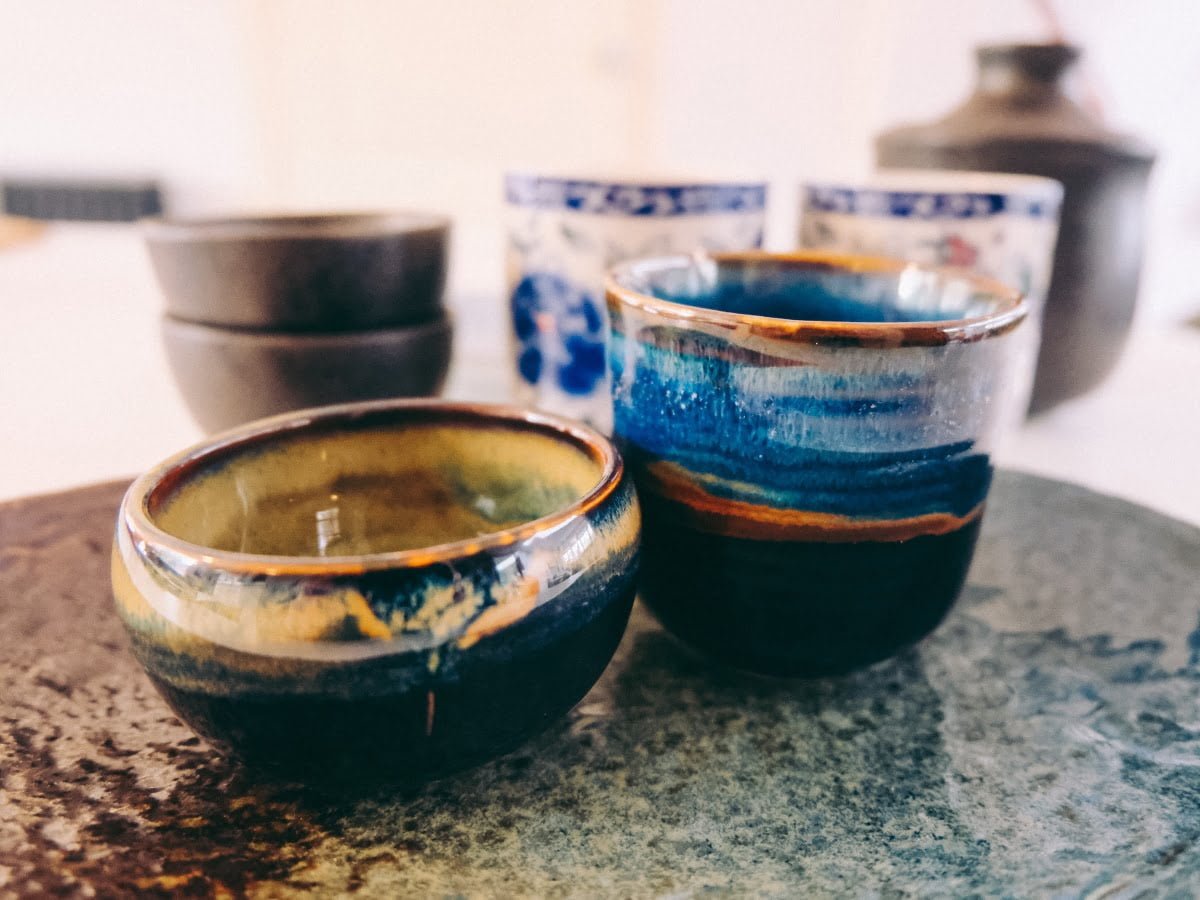
- Around the world, they have different kinds of pottery, often handmade by locals. Buy a nice plate or dish that you know you will actually use. That way, you will build a colourful collection full of memories.
- Go exploring and visit the locals, who are often very resourceful and come up with fun and creative souvenirs. For example, you can find flip-flop art all over Kenya. A lot of people in Kenya walk on flip-flops, which often end up in landfills after a fairly short time. So in Kenya, they started making souvenirs out of these worn flip-flops. In this video see how they work. Besides flip-flop art in Kenya, in South Africa they make bracelets from old electricity wires and in Myanmar they make handbags from recycled plastic.
- Are you creative and want to make your own souvenir? Then you can go to vacation with an artist very fun making your own souvenir from local produce. Have a fun activity right away.


Handmade tableware to commemorate a holiday and a locally made painting from China.
Now you know how to buy a sustainable souvenir
For my own holiday souvenirs, I am always a big fan of reliving the holiday. I therefore take home something nice to eat or drink. But one package and foods that are allowed. Often this is a nice bottle of wine or a cheese I buy from a local farm. Last holiday in Germany, I bought a bottle of organic apple mulled wine. I had never heard of it before. And delicious that it was!
More green travel tips from thegreenlist.nl
- Want to offset the CO2 emissions of your trip? In this article, you will read everything you need to know.
- Fancy the sun but would rather not fly? Maybe a road trip from Amsterdam to Tossa de Mar is for you.
- Need even more sustainable travel inspiration? Then be sure to take a look at sustainable travel company Better Places.
Photo credits: main photo: Mahlee Plekker, tropical shells: Karolina Grabowska (Pexels), tropical sea: Invisiblepower (Pexels). Terschelling: thegreenlist.nl, ceramics: Mahlee Plekker, Chinese painting: Amy van Loon.