
We actually get a bit despondent about it, because microplastics are everywhere. We spread them through car tyres, synthetic clothing, our shoe soles, make-up and care products. So it won't surprise you that they are spread even during cleaning. Sometimes they are deliberately added to cleaning products, but often we just unintentionally spread them ourselves - hello scouring sponge. We are happy to tell you more about it and also share what you can do to reduce microplastics while cleaning. It can be done!
Where do microplastics come from during cleaning?
While cleaning, we can spread microplastics in two ways: through the products we use and through the materials we clean with. This is because some cleaning products contain plastics that have been deliberately added - as a thickener, binder or gloss enhancer. You can't see it, but it's there. So check the label, is the advice. Do you see terms like ‘polyethylene’, ‘acrylic copolymer’, ‘polymer’ or ‘poly-something’? Then chances are you are spreading tiny particles of plastic while cleaning. Not such a fresh idea.
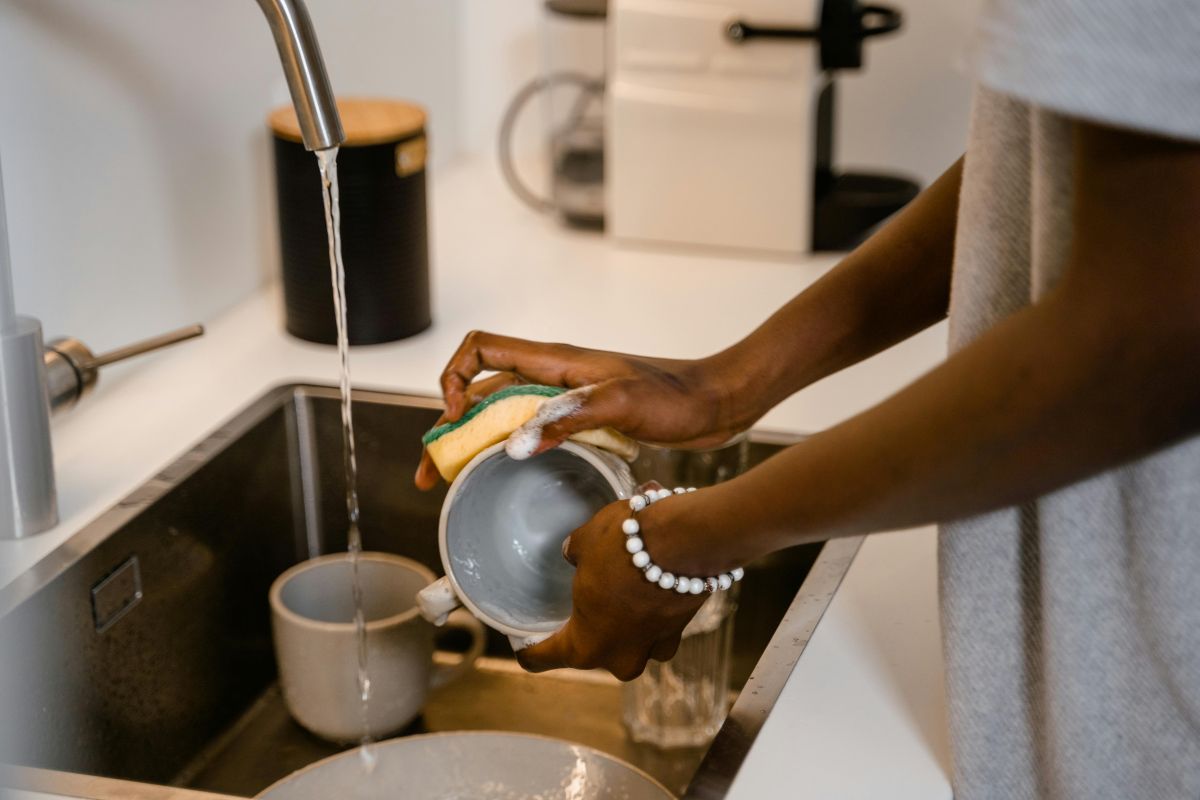
And then there are the unintentional culprits: cleaning aids such as scouring pads, microfibre wipes and plastic brushes. Due to wear and tear, they also release tiny plastic particles during use. According to a recent study, a miracle sponge alone can release about 6.5 million microplastic fibres per gram of wear. One sponge can literally shed millions of microplastics per polish. We hope for a miracle, but unfortunately it is not there yet. These kinds of sponges are still sold in many places. Even your dishwasher joins in. Because microplastics are also released via certain dishwasher tablets and pods. And those microplastics end up in nature via the waste water. And via your clean dishes, eventually into you.
How many microplastics are actually in cleaning products?
A 2024 study examined three common household cleaning products: laundry detergents, toilet block cleaners and dishwasher detergents. What it found: they contained on average about 565 microplastic particles per kilo of product. Toilet block cleaners scored particularly high. The researchers estimated that through these three products alone, nearly 39 trillion microplastic particles end up in the environment every year. That's almost five million per world citizen every year. And because many of these particles are smaller than 50 micrometres, they are hardly filtered out of wastewater.
Source: Pubmed
And how does that affect your health?
Those microplastics you let go unnoticed while cleaning? They don't just disappear. They wash away down the drain, are only partially filtered out of waste water and eventually end up in rivers, oceans and nature. But even indoors, they don't stay neatly at the site of the clean-up. They swirl around in house dust or stick to surfaces. You breathe them in, or they end up on your plate through your hands or food. And sometimes they literally do, we now know thanks to those dishwasher tablets.
Scientists have now found microplastics in our lungs, blood and even in the placenta of pregnant women. There is growing evidence that these tiny particles could be harmful to our health. They could affect immune cells and lung cells, and possibly cause inflammation or disruptions in your hormones. What exactly they do in our bodies, we do not yet know.
What do microplastics do to your gut flora?
Austrian researchers also wanted to know what microplastics do in our gut and so they did a test. They added five common types of microplastics to gut bacteria from human faeces, in quantities similar to what we normally ingest. What turned out: the total number of bacteria remained the same, but their behaviour changed. Acidity levels dropped - a sign of stress - and some bacteria actually became more active, while others were suppressed. And those changes? They look suspiciously like patterns that also occur in conditions such as depression and colon cancer. Does this mean a little plastic makes you sick? We don't know yet. But it does show that microplastics can significantly disrupt your gut flora. And that flora is more important for your health than you might think. So: everything benefits from eating less microplastics and taking good care of your gut. Fibres help: they are an important food source for your good gut bacteria. We have listed for you which products noticeably contain (a lot of) microplastics.
Source: NTR Science / EurekAlert.org
Fewer microplastics during cleaning
If you know where the biggest sources of microplastics are in your home, you can also do something about it. The good news: you don't have to change your entire cleaning routine right away. The not so good news? Common tools and products are often silent microplastic spreaders. Take for instance your plastic scouring pad or those microfibre wipes made of synthetic fibres... They emit tiny plastic particles with every scouring or wiping. Plastic kitchen utensils, such as cutting boards and trays, also wear out during use, but also unknowingly release plastic during washing up or in the dishwasher. In any case, it is not a good idea to put plastic in the dishwasher because of the release of plasticisers.
Some detergents additionally contain plastics that are deliberately added - as thickeners, binders or gloss enhancers. You can't see it, but it's there. So check the label. Do you see terms like ‘polyethylene’, ‘acrylic copolymer’, ‘polymer’ or ‘poly-something’? Then chances are you are cleaning plastic with it.


So you can avoid spreading microplastics during cleaning by choosing natural cleaning products and sponges, wipes and washing-up brushes made of natural materials.
Cleaning without microplastics, yes please!
But it can be done differently. Switch to a bamboo fibre sponge or cleaning cloths, a cellulose sponge, a sponge made of recycled cotton or a loofah sponge. The latter is a sponge made from the dried fibres of a cucumber-like plant and is completely plant-based as well as compostable. And choose a wooden washing-up brush with natural bristles instead of the plastic variety. Use reusable cloths made of organic cotton or linen instead of microfibre cloths made of nylon or polyester. By replacing your sponges and wipes, you have already taken a big step. Fine!
Then cleaning products. There are plenty of better choices in that area too, up to and including microplastic-free dishwasher tablets from Ecover. Want to know which cleaning products are better for you and the planet? We have compiled a handy list for you. And perhaps most importantly, you don't need that much fierce stuff at all. You can just leave most of the products on the shelf. Go nice oldschool with ingredients your grandma probably used too: baking soda, soda vinegar, citric acid and green soap. Make sure you always have these four in the house. They do a surprising amount - from degreasing and descaling to cleaning and refreshing - and they leave no plastic residue, because all-natural.
Newsweek.com. Photo credits: Mart Production (main image), Angela de Vlaming (sponge and cleaning products in crate),Hannah Grapp, Pexels (washing-up brush).