
Spring has sprung, and that means the garden will be getting busy again. Birds will be looking for a place to nest, bees will go in search of nectar, and small creepy-crawlies will be popping up everywhere. With a few simple adjustments, you can give them a helping hand. In fact, some things won't cost you a penny! Here are four easy ways to make your garden a wildlife-friendly haven buzzing with activity.
Getting started with an animal-friendly garden
We're starting with four simple tips you can implement today. All small things that will immediately make a difference for birds, bees, and other garden creatures.
1. Put down a small dish of water
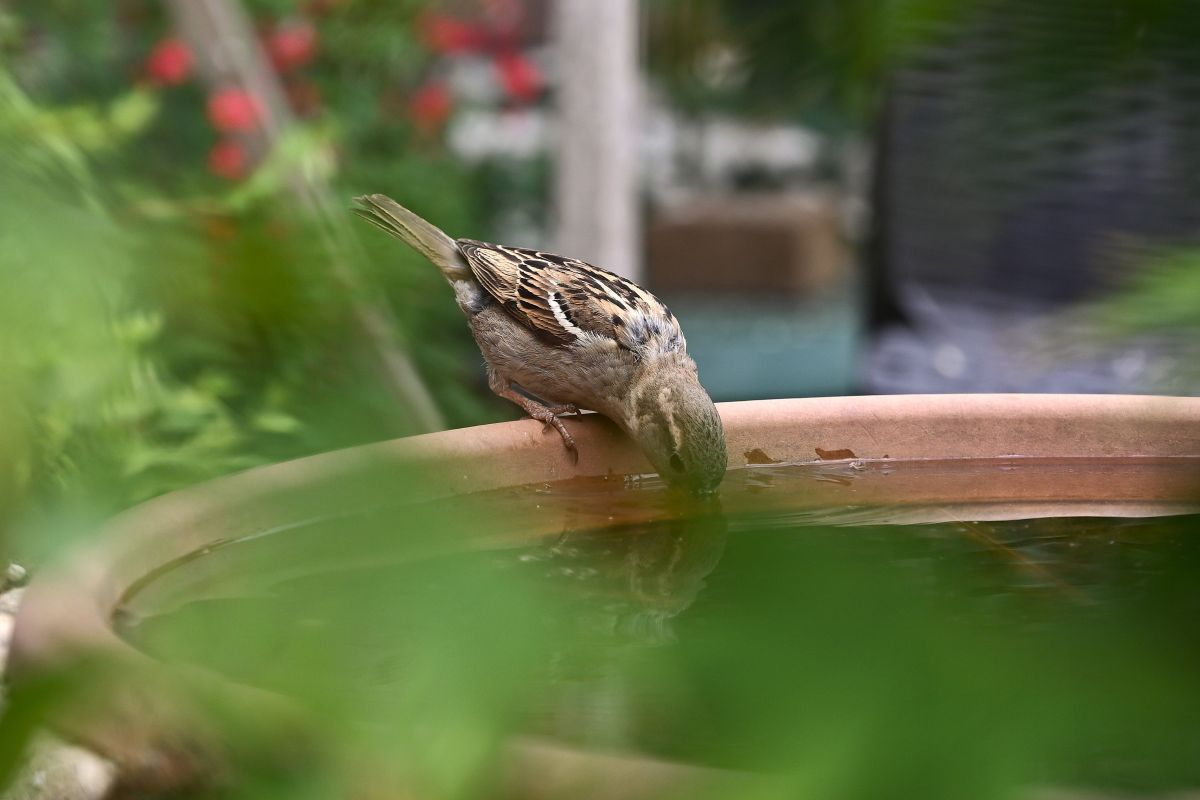
This tip might just be the easiest of them all. Place a shallow dish of water in your garden or on your balcony and you'll be helping a lot of animals straight away. Birds use it for drinking and bathing, and bees and other insects are also happy to visit. Who knows, you might even spot a hedgehog in your garden! They also love a bit of extra water. TipI put a few pebbles in there so that insects can land safely and don't drown.
2. Pile some stones in your garden
It might sound simple, but a pile of stones can be a surprisingly good hiding place for all sorts of small creatures. Think of beetles, spiders, and other creepy-crawlies that like to scuttle into the nooks and crannies. Don't have any stones yourself? Try searching on Marktplaats (a Dutch online marketplace) for ‘vijverstenen’ (pond stones). You can often pick them up for free! Lay them on top of each other in a bit of a haphazard way and let nature do the rest.


Stacking stones for more biodiversity. You can find the pond stones for free on Marktplaats (a Dutch online marketplace) and otherwise, a batch of stones from a paving slab removal initiative will also work perfectly for your ‘animal-friendly garden’ project.
3. Swap cuttings with friends or neighbours
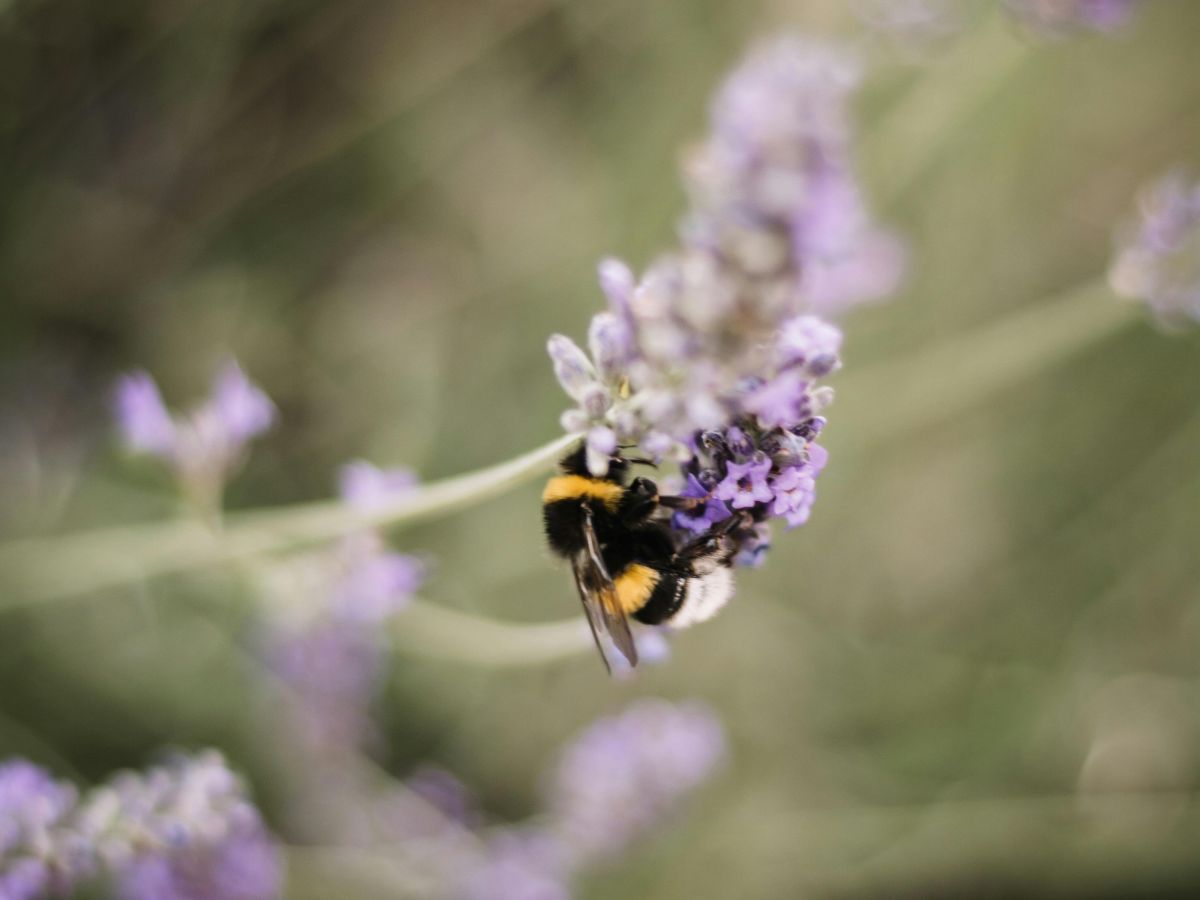
The more different plants you have in your garden, the more interesting it becomes for insects and other animals. And new plants don't have to be expensive at all. Simply swap cuttings with friends, neighbours or family. This way you'll get more variety in your garden and help bees and butterflies with more food. So it's a win-win!
ALSO INTERESTING: free wildflower seeds are available in April at A food bank for bees near you!
4. Choose insect-friendly, organic plants
Would you still like to plant something new in your garden or balcony box this season? If so, it's best to choose insect-friendly, organic plants. These are grown without unnecessary pesticides and are therefore not harmful to bees, butterflies and other insects. In this way, you not only help individual animals but also contribute to greater biodiversity in your garden. Look out for quality marks such as EU-organic, Demeter or at the garden centre or online. EKO. These set strict requirements for cultivation and give the best guarantee that no unnecessary pesticides have been used.
Another nice addition to this: search online for a ‘native bee arch’. That's a clever combination of plants that flower at different times of the year. This way, nectar and pollen are available from early spring to deep into autumn, and your garden quickly becomes a little sweet shop for pollinators.


Swapping organic plants and cuttings are both a great idea for an animal-friendly garden! Also interesting: The ten favourite flowers of bees!
Biodiversity?
Biodiversity, quite simply, means a richness of life. The more species of plants, animals, insects, and microorganisms there are, the better nature works. And we desperately need that nature for clean drinking water, fertile soil, pollination of food, and natural pest control. Everything is interconnected. If one link breaks, the whole system becomes unbalanced. And we eventually notice that too.
Is your garden truly green yet, or does it just look that way?
April is The Month of the Green Garden and we of thegreenlist.nl zijn trotse ambassadeur van deze campagne. Een mooi moment om eens kritisch naar onze tuinen te kijken. Want tuinen kunnen een verrassend grote rol spelen voor de natuur, zeker in woonwijken waar wilde natuur schaars is. Met een paar simpele aanpassingen help je vogels, bijen en andere kleine dieren al enorm. En dat is hard nodig, want de biodiversiteit staat onder druk. Volgens het Compendium voor de Leefomgeving is sinds 1900 zo’n 85% van de oorspronkelijke biodiversiteit in Nederland verdwenen*. Elke tuin die een beetje groener, bloemrijker en diervriendelijker wordt ingericht, helpt dus mee om dat verlies een klein beetje te herstellen.
Note from Milieu Centraal: a figure serves only as an indication. It is difficult to capture biodiversity in a single figure. These figures are also the result of one measurement method. Nevertheless, it helps to make a trend visible. And all measurement methods show the same thing: biodiversity is declining.
Foto credits: Nadiye Odabaşı, Pexels (hoofdbeeld), overig: thegreenlist.nl.