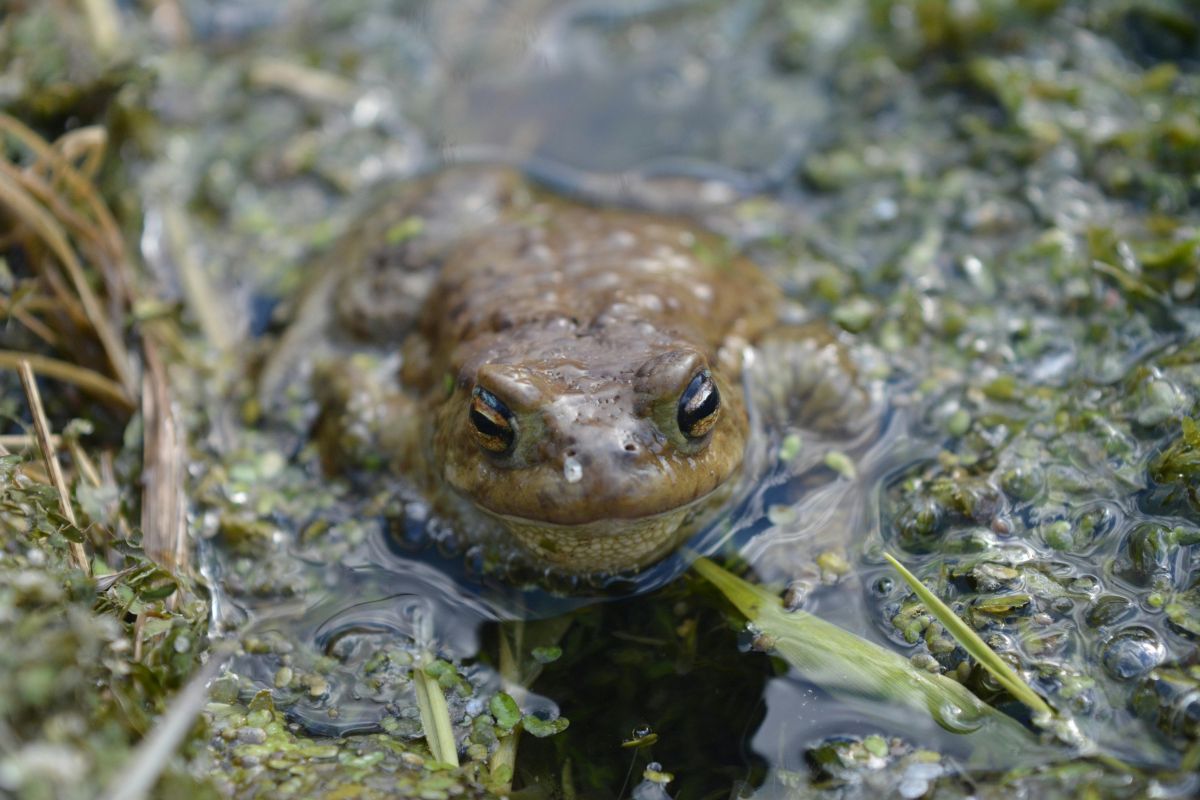

Good news: you don't need a large garden to create a pond. And you don't need to hire an excavator or take a whole weekend off. Water in the garden, however small, does something special. It attracts life. And you'll notice it sooner than you think! Before you know it, you'll be able to welcome many more dragonflies, birds, frogs, and perhaps even a hedgehog. In this article, we'll help you get started with creating a wildlife pond that the creepy-crawlies and birds will truly appreciate!
Why water in the garden makes such a difference
Many gardens nowadays consist mainly of paving stones, fences and neatly mown patches of grass. It looks tidy, but there isn't much for animals to find. Water changes that immediately. A pond quickly becomes a place where animals drink, shelter, and sometimes even live. In and around the water, they find all sorts of things: a place to drink, lay eggs, cool down, or look for food. Dragonflies use the water to grow their larvae, birds come to bathe and drink, and frogs seek shelter among the plants. And the beauty of it is: nature often finds your pond faster than you think. Sometimes it only takes a few days before the first visitors arrive. Even a small pond, or at the very least a few water features in the garden, can already make a big difference. And good to know: a healthy pond usually doesn't lead to more mosquitoes, but rather fewer, because dragonfly larvae, water beetles, and frogs are fond of mosquito larvae.
Before you know it, you'll see, for example: dragonflies and damselflies hovering above the water; blackbirds, sparrows, and robins coming to drink or bathe; frogs or toads sheltering among the bankside plants; bees and butterflies landing for a drink, and hedgehogs coming for a sip of water in the evening. So lovely! And perhaps you're already feeling inspired to create such a water feature in your own garden.
How to create a wildlife pond in your garden (large or small)
To put your mind at ease, building a natural pond doesn't have to be a huge project at all. You can make it as simple or as elaborate as you like. We'll help you step-by-step and also have some great ideas to turn that garden pond into a truly green (native) space. If you have the space, you can dig a classic pond and line it with pond liner. But where do you dig it? A pond does best in a spot where it gets a reasonable amount of sunlight, but isn't in direct sun all day. Also, pay attention to trees around the pond. Falling leaves not only mean extra maintenance but also introduce nutrients into the water, which can accelerate algae growth (and that means more maintenance, which you probably don't want). Found a nice spot? Grab that spade and start digging. The ideal pond is no deeper than eighty centimetres, as all the water plants will still fit in well (and it's easier to maintain). Notea deeper pond heats up more slowly in the spring, meaning your aquatic plants will bloom later.
Wees niet te zuinig met planten in je natuurvijver. Als je minimaal 30% van het water bedekt met drijfplanten zoals waterlelies, blijft de vijver in de zomer lekker koel en krijgen algen weinig kans. Groeien je planten niet goed? Vaak is dan het CO2-gehalte in het water te laag. Dit kun je oplossen door vijverkalk of speciale CO2 tablets to add.
If you want to take a more natural approach, you could consider a small garden pond. A good example of this is a TinyA native pond in garden size. Such a pond is specifically intended to lend nature a hand. Without a pump or straight edges, a small habitat is created where insects, amphibians, and birds feel at home. Often, it doesn't take long before the first dragonflies or frogs make an appearance.
But it can also be a lot smaller and less definitive. An old zinc tub, an buried builder's bucket, half a wine barrel or a large bin can serve as a mini-pond. Put a few aquatic plants in it and place a stone or branch in it so that insects and small animals can easily climb out of the water.
Native aquatic plants in your wildlife pond
If you thegreenlist.nl If you've been following for a while, you'll know our garden mantra is: choose native plants. These are plants that occur naturally in the Netherlands and therefore perfectly suit our soil, climate, and – perhaps most importantly – the insects and animals that live here. And that naturally applies to aquatic plants too. With the right aquatic plants, a natural water feature quickly emerges, attracting wildlife. Therefore, it's best to opt for native species. Beautiful choices for your wildlife pond include the yellow water lily, marsh cinquefoil, water violet, thorny hornwort, creeping spearwort, lesser duckweed, broad-leaved water-crowfoot, frogbit, or water-soldier. Write this list down for when you go to the (organic) garden centre.
Bonus tip: Additionally, ensure there are different depths in your natural pond. This allows you to accommodate various types of water plants and makes the pond more attractive to animals such as frogs, newts, and other aquatic life.
Also see: Why native plants are so important.
Easy peasy: no fish!
Fish belong in a pond, don't they? In a natural garden pond, it's actually better to leave them out. Fish eat a lot of small aquatic creatures that are important for a healthy pond. Think of dragonfly larvae and water beetles – and they help to eat mosquito larvae. If you really want fish, choose native species, don't put too many in, and wait about a month before adding them, so the pond can first come into balance. Did you know that you can also buy a rescue fish from the fish sanctuary?
No mosquitoes in the garden and still a natural pond!
The biggest Party blocker For a pond, there are mosquitoes. Or rather, the notion that still water attracts mosquitoes. And that's correct. Leave a plant pot filled with (rain) water out in late spring and you'll regret the buzzing and biting. So, with that pond, you'll quickly think of pumps and filters to keep things flowing and clean. But for a natural pond, that's usually not necessary at all. Pumps and filters are often expensive, use a lot of electricity, and can even disrupt the natural balance in your pond by sucking up small aquatic creatures. In a healthy natural pond, the inhabitants mostly take care of the problem themselves. Dragonfly larvae, water beetles, and frogs are fond of mosquito larvae and help to keep the population in check. If you have a new pond, it's therefore possible that you'll temporarily attract mosquitoes. The ecosystem just needs a little time to get going.
If you still want some extra water movement, for example for the calming sound or to give mosquitoes even less chance, then you can opt for a small fountain or a simple aeration pump. In that case, opt for an energy-efficient version or a solar-powered model. And do you want lighting for your pond? If so, it's best to use a timer so it's not unnecessarily on at night.
And remember: the natural enemy of mosquitoes (and slugs) is the frog. You can make your garden frog-friendly by placing aquatic plants in and around the pond. The frog eats mosquito larvae and adult mosquitoes.


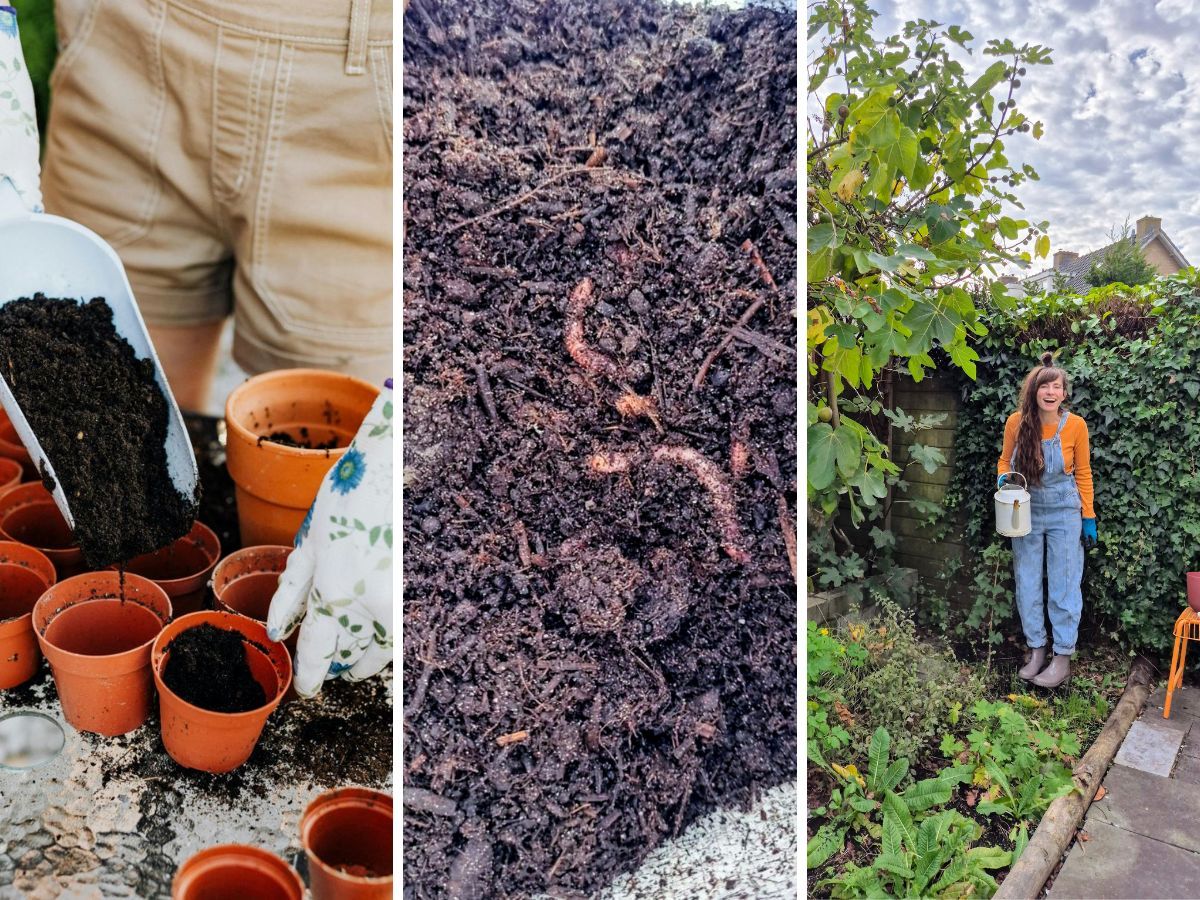
Left: a mini pond in the making, still missing stones needed so that animals can easily get in and out. Right: a gardeny pool measuring 1 x 1.25 metres inhabited by 15 frogs.
Zero-maintenance pond?
Unfortunately, we have to disappoint you: a maintenance-free pond does not exist. Your pond will require small maintenance moments throughout the year. In spring, you can add new water plants and possibly use some pond lime. In summer, it is important to keep an eye on the water level. In autumn, you remove leaves and plant remains and can possibly stretch a net to prevent falling leaves. In winter, it is important that rotting gases can escape, for example, by keeping a small hole in the ice with a rubber ball on the water.
Pond ideas for a small garden
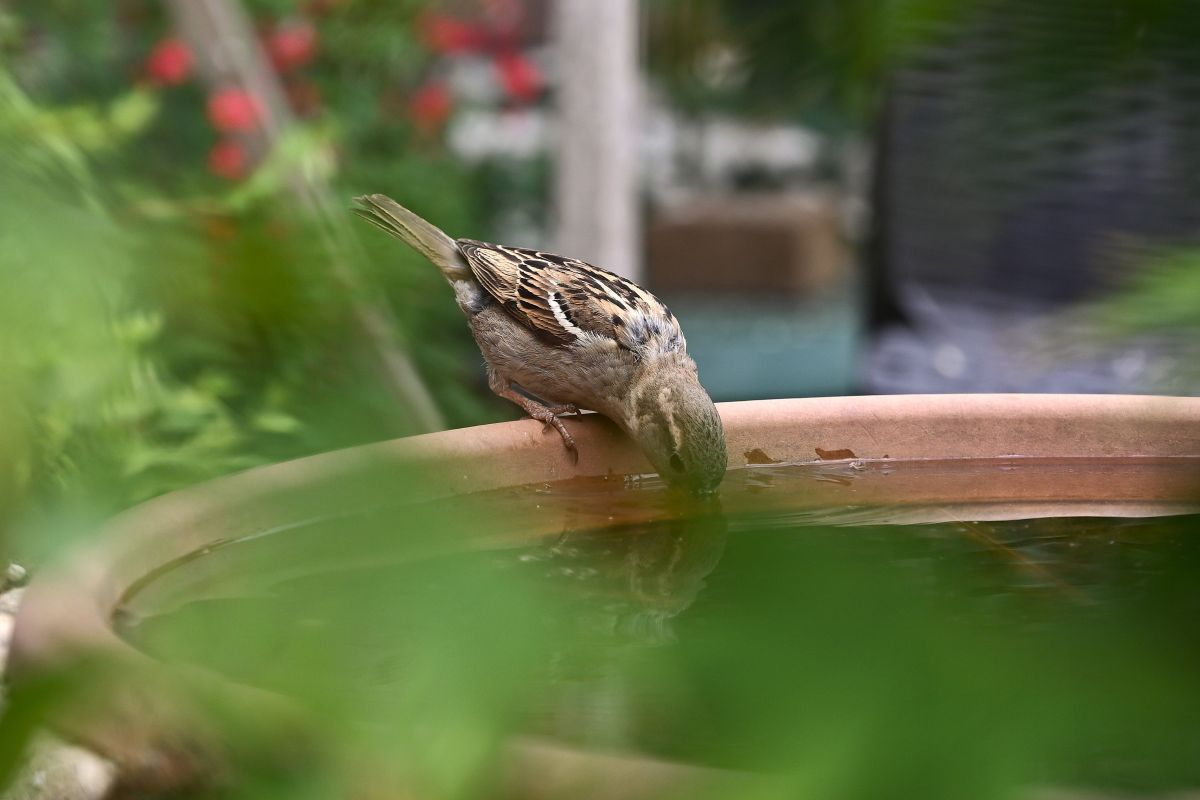
Do you have a small garden or just a balcony and are you feeling a bit down that you can't get started with these pond ideas? Don't despair! You can still do something! Place a few shallow bowls of water where animals can drink and bathe. Birds use them to drink and clean their feathers, while bees and butterflies land there briefly to take up water. Even a simple cap from a (deposit) bottle with a bit of water and a few pebbles can help: bees drink from it without drowning. This is especially important in spring and summer, when insects are active and water can become scarce due to warm and dry weather.
Conclusion: more water or a wildlife pond in the garden is always a good idea!
So you don't need a big garden or a complicated pond with all the bells and whistles to do something for nature. Even a small water feature can attract so much life. Whether that's a mini-pond, a natural garden pool, or simply a bowl of water on your balcony. Especially during hot and dry spells, animals can make good use of such a spot to drink, bathe, or cool off. So grab your garden chair and enjoy all the birds, insects, and other visitors who will suddenly start stopping by! Cheers!
You might also find this interesting!
- Also see: stacking stones in the garden.
- Also see: Help the hedgehog in the garden!
- Also see: Get started with the bee arch too!
Sources: Milieu Centraal. Photo credits: main image: Natalia Svetlova (Pexels), others: Amanda Sniekers.