
‘Huh? Only empty packaging allowed in PMD?’ This was one of the reactions we often saw after we shared a video about separating waste. And honestly, we understand that confusion. Many people think that anything made of plastic, metal, or aluminium automatically belongs in PMD. But a plastic shampoo bottle and a plastic toy car are two completely different things for waste processors. Why is that? We investigated why only empty packaging is welcome in this recycling stream.
Why only packaging is allowed in PMD
It might sound a bit nit-picky. Plastic is plastic, isn't it? And metal is metal, isn't it? But that's not how recycling unfortunately works. When we previously took a look at a waste processor, we learned that they don't just look at the material something is made of. At least as important is what a product was originally intended for. An empty yoghurt pot, shampoo bottle, or tuna tin are designed as packaging and therefore belong in a system that can sort and recycle packaging. Products such as a highlighter pen, a toy, or a screwdriver, on the other hand, are not packaging. They often consist of different (plastic) materials, have a different composition, and can disrupt the sorting and recycling process.
Correction: only empty packaging may be placed in the PMD
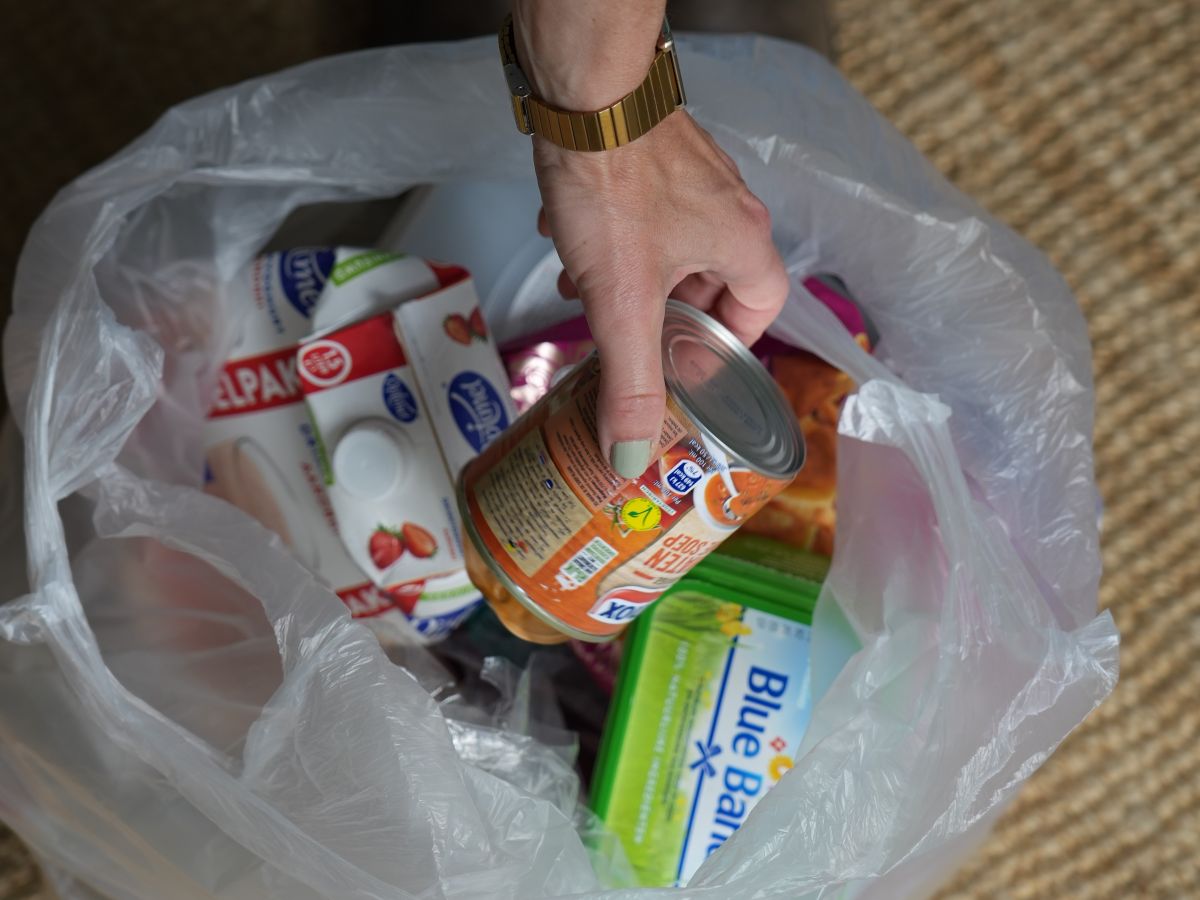
But that's not all. There's another important rule: packaging may only be placed in PMD if it is empty. This sounds logical, but in practice, it often goes wrong. A half-full carton of milk, a salad container with expired chicken curry salad, or an aerosol can that isn't empty can cause significant problems for waste processors. Machines and conveyor belts can become contaminated, leading to parts of the sorting process having to be shut down for cleaning. The same applies to items that are not packaging at all, such as streamers, Christmas lights, or a piece of garden hose. Such stringy items can get tangled in the sorting machines. In the worst-case scenario, parts can be damaged, and the installation may have to be temporarily shut down for repairs. We have seen that with the processor.
So it's not just about whether something was packaging, but also whether that packaging did its job. Is the packaging empty and was it actually packaging? Then you're usually fine.


Visiting the waste processor to see how good PMD recycling works. One stumbling block is waste that doesn't belong in PMD and packaging that hasn't been emptied properly. If packaging isn't empty, it causes a huge mess. But there's another reason why this isn't allowed in PMD. (Half)full packaging is heavier and therefore can have more difficulty ending up in the correct recycling stream.
Are you unsure? Use this simple mnemonic
Fortunately, you really don't need to know off the top of your head where every tub, tin or bottle belongs. There's a handy mnemonic:
- Has it been a package?
- Does it come from a household?
- Is it empty?
Can you answer yes three times? Then it's usually allowed in the PMD. Still unsure? The website waste separation guide.nl Is there a handy helpline for this? Enter what you want to throw away and you'll immediately see where it belongs. This way, you can avoid guesswork at the bin. And that's good news for recycling, because the better we sort at home, the greater the chance that used packaging will be given a new life.
Photo credits: thegreenlist.nl.