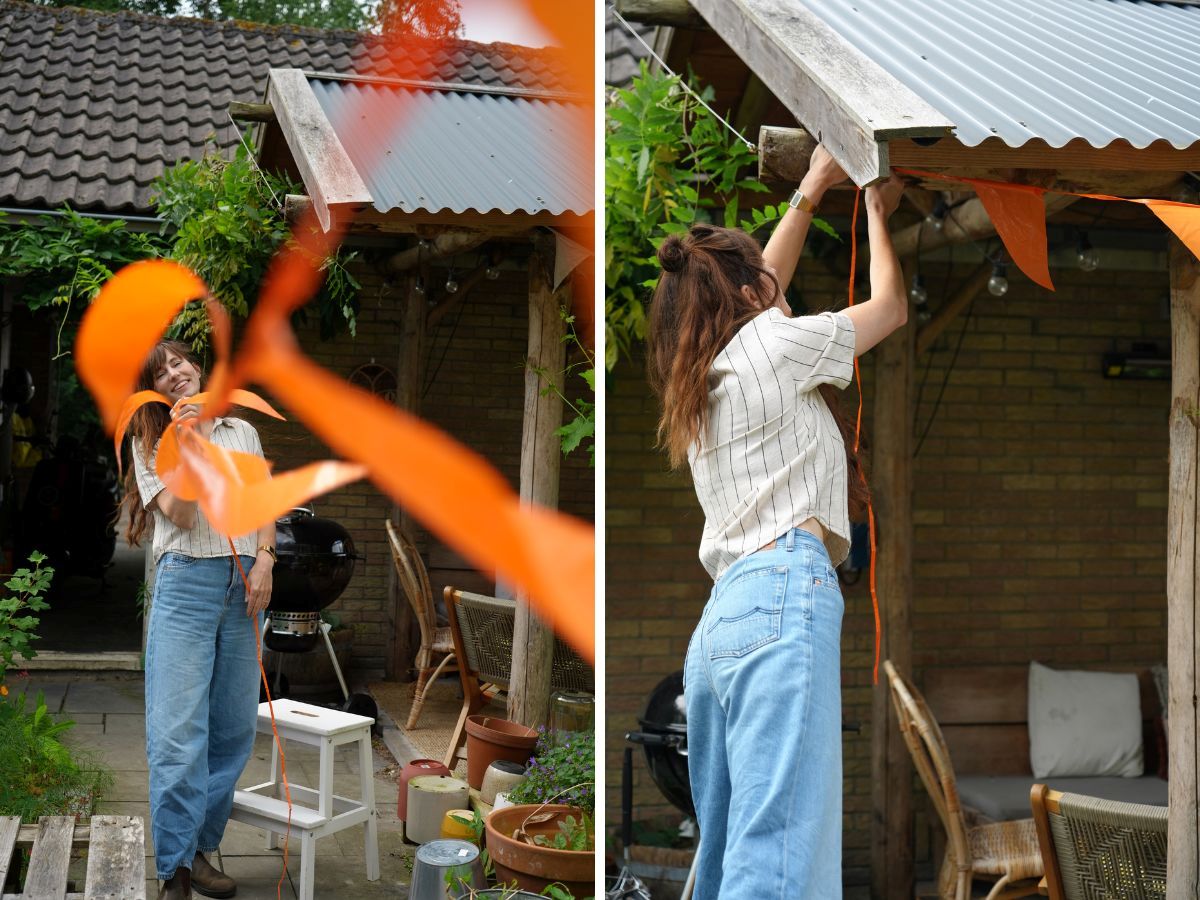

The orange bunting has done its job. The Netherlands was either out or we were cheering with it in the pub or in the garden. Either way: after a football tournament like this, plastic bunting is unfortunately often left behind. And it quite often ends up in the wrong bin. This is because many people think they can put it with PMD (plastic, metal, and drink cartons). But no. In fact, these string-like items cause significant problems for waste processors. What should you do with it then? We’ll explain.
Why orange streamers do not belong in PMD recycling
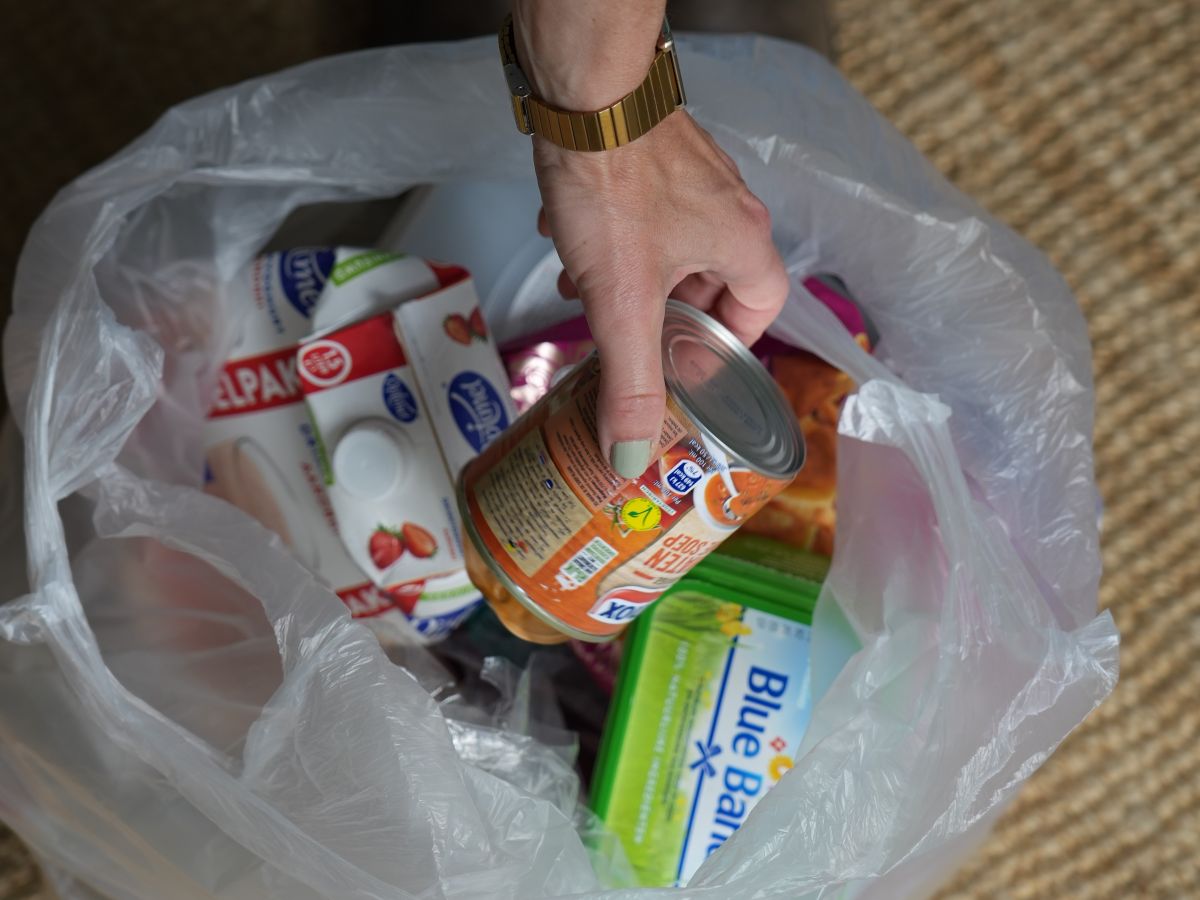
In many Dutch municipalities, PMD is collected separately. PMD is often explained as ‘plastic, metal, and drink cartons’. This leads many people to automatically think: if it's made of plastic, then it can go in the PMD. But unfortunately, it's not that simple. We visited a waste processor before and learned there that recycling doesn't just look at what something is made of, but also at its original intended use. PMD is actually for empty packaging, such as empty yoghurt pots, empty cans, and empty cartons of custard. An orange garland is not packaging and therefore does not belong in the PMD.
And with those long (stringy) items, something else comes into play: they regularly cause Problems at waste processing facilities. They get jammed in sorting machines, which can cause the machines to stop, and staff have to manually unblock them. It's quite a hassle, for something that is actually quite easy to prevent. Therefore, absolutely do not put streamers and other string-like items such as Christmas lights, garden hoses and cords in the PMD. You disrupt recycling and can even break machines with them. But where should they go then?
Dispose of the slings properly
After a tournament like that, there's often a mountain of orange decorations left behind. Bunting that's half-torn, tangled up, or just yanked off the balcony a bit too enthusiastically. So the question is: what do you do with it?
- Are they still in one piece? Then pack them away nicely for the next Orange festival. That ultimately remains the most sustainable option. There's a good chance they'll come out of the attic in a few years for a European Championship, King's Day, or the next World Cup.
- Do you still want to get rid of them? Then you can also pass them on. Put them on Marktplaats or in a Facebook group for free, give them to a charity shop, or donate them to a school, community centre, or sports club. Especially around sports tournaments, there's almost always someone who would be happy with them. Marktplaats and Facebook are also good tips if you're still looking for orange merchandise!
- Are the streamers genuinely broken, dirty, or no longer usable? In that case, they can be disposed of with general waste. Not with the PMD, therefore. If you're unsure where something belongs, always check the waste separation guide.nl. On this website, you simply type in what you want to discard, and you'll receive advice. This prevents a lot of hassle for waste disposal companies.
In some municipalities, PMD is collected separately, while in others, waste is later sorted by waste processors. Whichever method is used, the goal remains the same: to recycle as much packaging material as possible into new raw materials.
The mnemonic: 3 times yes = PMD
Are you in doubt about whether something can go in the PMD? Then ask yourself these three questions:
- Is it a packaging (been)?
- Does it come from a household?
- Is it empty?
Can you answer yes three times? Then it can go in the PMD bag. So: an empty shampoo bottle, a tin of tuna, or a milk carton? Yes, you can. But a plastic storage box, toy car, battery, or an old marker pen? Leave those out. They are not packaging and can significantly disrupt the recycling process or worse: pose a danger.
You might also find this interesting
- Also see: Glass recycling step by step.
- Also see: This is what happens to our organic waste.
- Also see: A look into our sewers!
Photo credits: thegreenlist.nl.