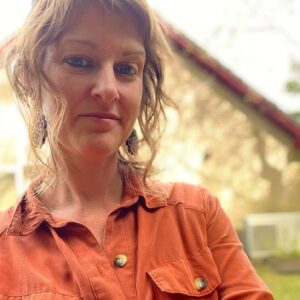
Fewer bees, butterflies and other insects: it probably hasn't escaped your notice that decline in biodiversity is a major problem. Neat, raked and tiled gardens certainly do not contribute to this, but what can you do? Butterfly expert Nicky Castricum knows all about it and shares tips on how you can help butterflies and bees.
Loss of biodiversity: butterflies are not doing well in the Netherlands
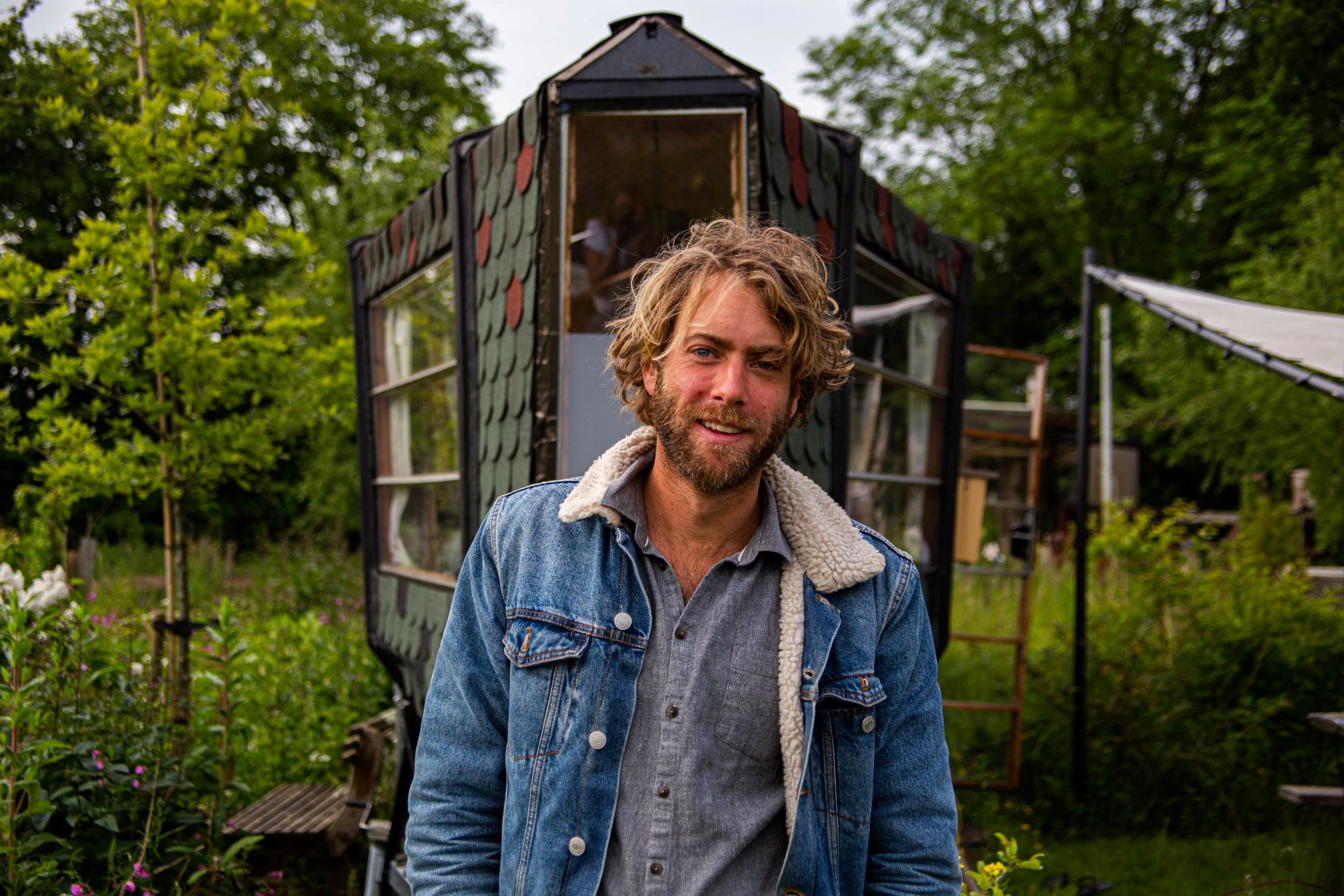
Insects and other animal species are disappearing at an ever-increasing rate. Pollution, pesticides and monoculture in the agricultural sector mean that the living conditions of butterflies, bees and other critters are far from optimal. Add to this the fact that we Dutch like neat, raked gardens with preferably all exotic plants in which there is really no place left for pollinators. In the centre of Amsterdam-Noord lies butterfly paradise ‘Mot in Mokum’ By Nicky Castricum. There it does buzz with flying beasts. His mission? To help people make gardens truly butterfly-friendly and thus contribute to increasing species diversity.
So why is insect species loss and plant diversity decline such a problem?
‘Without insects, we cannot exist either. Anyway, the climate problem cannot be solved by not addressing the loss of biodiversity. Humans have made themselves so independent of nature that we don't even fully realise how dependent we are on biodiversity. Animals and plants live in a web of relationships with each other. If species fall away, ecosystems eventually collapse. Insects have crucial roles on which the rest of that web relies. We need them for pollination but as the foundation of our nature.
Should you want to do all this independently of insects, i.e. by hand or drones, that's quite a hassle. It was once calculated what it would cost and it came down to it being unaffordable. Apart from that, you shouldn't want no more bugs flying around, should you?’
You mean people get quite happy from fluttering butterflies and buzzing bees?
‘I do notice that it makes people happy yes, when they have a vibrant nature around them. They don't go and buy plants for nothing to contribute something to nature. Those who pay more attention to insects and what lives in their gardens discover that it is a very wonderful world.’


A visit to Butterfly Garden Mot in Mokum in Amsterdam North is educational and fun for children too!
And more and more garden centres these days have those tables with plants that are good for bees and butterflies right?
‘Well, that is a bit of a thorny issue, because many of these plants contribute nothing at all or have the opposite effect. They may have flowers that attract insects in the first place, but they are often non-native, cultivated and sprayed. With plants that do not naturally occur here, insects unfortunately can do little. Their rolling tongues are attuned to native species. Garden centres do have every opportunity to put plants forward for more biodiversity, but definitely lack the expertise. And the right plants in the garden already make a big difference.’
So lots of flowers in the garden does not guarantee lots of butterflies and other insects?
‘The tricky thing is that many plants are cultivated: they are adapted to be perfect for humans. So lots and big flowers, no more clumsy fruits falling off. Only the insects don't know what to do with them. Sometimes they can't even get into the flower to get the nectar and then they can't feed themselves. And from sprayed plants, they can just die. That's very unfortunate, because people want those plants precisely to help butterflies and bees!’
So if we have to avoid these so-called butterfly-friendly plants, how can we contribute to biodiversity ourselves?
‘There is most to be gained by putting plants in the garden or on the balcony that provide nectar in spring or autumn. That way, you can give butterflies a good start right away or a boost just before winter sets in. Take a walk around your neighbourhood or local area and see what is growing and what you see butterflies, bees and caterpillars on. You can then collect seeds months after and scatter them in the garden. There are also quite a few initiatives these days, such as my butterfly garden, other biodiversity projects you can visit and organic growers. Ask there what you can put down.
See that's what garden owners need. More tips?
Also not unimportant: do not consider plants that come up by themselves as weeds. Native species such as judas pennywort, yellow deadnettle, dog's breath and dandelions just come up by themselves and are very good. All you need to do is especially not remove them. Do you have grass? Then mow as late as possible in spring, after the dandelions and other early bloomers have finished flowering. It is best to have flowers and plants that bloom in turn from early spring to late autumn. We call this a bee arch. Not sure which species to get? Ask around to other people in your area on which plants they see lots of insects and also look online!
We also understand that winterising your garden or balcony is not necessary at all. That would be very good news for lazy gardeners. Is this true?
‘Yes: raking, hoeing: none of it is necessary. Butterflies, caterpillars and all other insects survive precisely in the litter layer of leaves and dead plants. So leave them there and let them lie. A garden with black soil is not at all good for the animals, so make sure there is an underlayer where everything grows and leave things lying around in winter. Also old branches, piles of wood, it all contributes to overwintering. Lots of fly traffic in the garden means you are doing a good job. In gardens where caterpillars enjoy nibbling leaves, lots of birds come and buzz sounds all around you, you are doing well. Even on balconies and in public spaces there can be a lot to catch insects, provided the right plants are there and the soil is used properly.’
Your butterfly gardens Mot in Mokum must have a lot of air traffic?
‘There is! And just as well. The garden is there to prove itself, everything butterflies need is there: the host plants, gestation plants, hiding places and overwintering places in different biotopes. And so unlike the familiar image of a butterfly garden, this one is simply open and not in a greenhouse. If I miss butterflies in the garden, I have to correct my mowing policy or a host plant is missing, for example. That way I always keep myself on my toes. So it is a kind of demonstration garden, where I also learn a lot myself about the effects of ecological management and which things work or don't work. Of the 52 species of diurnal butterflies, I have seen 22 in the garden, which is an excellent score.’ You can read more about the Butterfly Garden Mot in Mokum here.


Night butterfly tour with Nicky in Mot in Mokum.
Do you think municipalities can also contribute something in terms of biodiversity?
‘Definitely! In my opinion, initiatives like mine need not exist if municipalities and governments took their responsibility in creating a healthy living environment where there is a balance between nature and people. But they too can make great strides with managed green spaces: from now on, only plant native, varied and unsprayed. Roadsides but also parks can be mowed ecologically and in phases. The hoeing service can be retired. All that would already make a gigantic difference!’
Also come to butterfly garden Mot in Mokum
Want inspiration in Mot butterfly garden in Mokum? You can: you can walk, ask questions, take courses and even stay overnight. Nicky, who set up Mot in Mokum out of a great love for nature, will be happy to share his knowledge.
Saskia, founder of thegreenlist.nl, attended the butterfly outreach in September (see photos). This was not in the butterfly garden, but on a piece of fallow land in Amsterdam North which Nicky is trying to restore for the butterflies. Follow Mot in Mokum's Instagram channel To keep abreast of such events.
Could you use some help spotting butterflies? Greetje blogs about natural gardening and helps you get started with her blog post about butterflies she spotted in her garden.
Do you know a sustainable doer who deserves a stage?
Are you or do you know someone who is also engaging in some form of sustainable living in an inspiring way? And do you think he/she also deserves a stage on thegreenlist.nl? Feel free to send an e-mail!
More green tips from thegreenlist.nl
- Also see: what's wrong with potting soil and how can you sustainably replace it?
- Also see: help nature, buy poison-free plants!
- Also see: This way, you provide more water in the garden and help animals.
Photo credits: Mot in Mokum & thegreenlist.nl.