
Did you know that a teaspoon of soil contains more living organisms than people live on earth? Soil is a habitat for a large number of micro-organisms as well as animals such as worms, nematodes, moles and digger wasps. In doing so, it plays a key role in maintaining and increasing biodiversity. And if you take good care of the soil, you can also harvest food from it. One of the ways to take good care of the soil in your own garden is by mulching. What exactly mulching is and why applying a mulch layer is good for the soil in your garden, we will now explain to you in detail.
Mulching for healthy soil life
Your garden is your piece of earth. But it is not just yours; it is part of an ecosystem. Maybe you haven't thought about it this way before. Do you mainly look at what can be seen above the ground, which flowers and plants you like? There's also a fascinating amount happening under the ground! Everything that happens there is the basis from which you can develop your garden. Taking good care of the soil, is taking good care of the basis of your garden. A fine, living garden. Good soil provides the opportunity for varied plant and animal communities to develop. After all, we are not alone on this earth!
Mulching as protection
More than half of our ecosystem is underground. Nowhere are so many types of micro-organisms (fungi and bacteria) together. And that soil is going to work for you if you take good care of this ecosystem, for example by mulching. Good soil provides anchoring for your plants, nutrition/water/air for the roots and protection against diseases. Soil allows water to sink and plants to absorb water. And an added benefit: by absorbing and evaporating water through plants, it cools your living environment.
How do you take care of the soil?
Have you already gained some insight into why it is important to take good care of soil? If you want to know more about what goes on in soil, I can recommend two books: The Soil Food Web and Long live the soil. And there is also a wonderful film to watch: Below ground level. In it, the unseen world beneath our feet can be seen.
What ís mulching anyway?
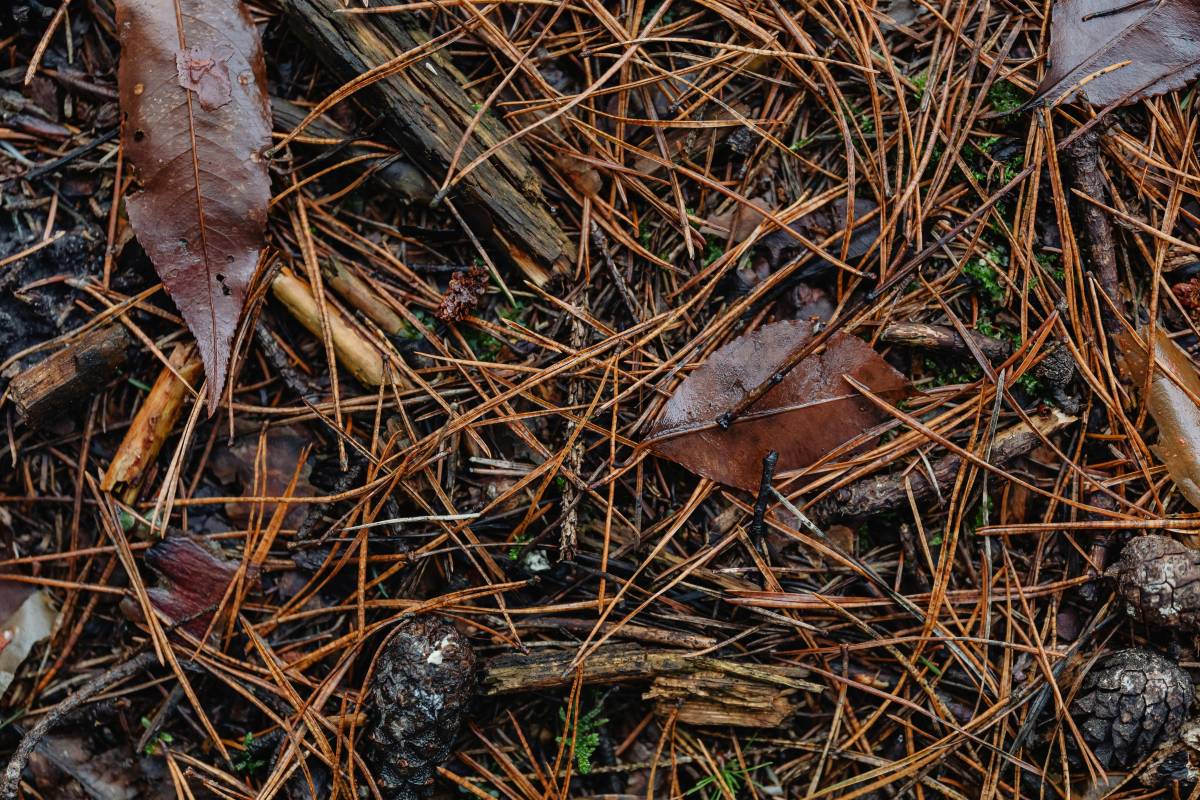
But how do you ensure that healthy soil in your garden yourself? You do so by leaving organic matter on the soil. And that is very simply called mulching. Organic matter is material originating from plants and animals. For example, plant roots, fallen leaves and needles. But also branches and excretions of animals (worm manure). The micro-organisms in the soil use this dead material as food. The nutrients are released again for the plants and soil life. Worms also pull this plant material into the soil with them. By doing so, they create small air passages that allow water to sink into the soil better. Organic matter colours the soil black; the darker your soil, the more organic matter it contains.


Mulching is a typical example of doing less for more biodiversity.
Organic and inorganic mulches
So mulch is anything you can put on the soil to prevent evaporation, suppress weeds and protect plants. A distinction can be made here between organic (natural) and inorganic (sand, plastic, gravel, anti-root cloth) materials. You can understand that inorganic materials do nothing to nourish your soil and can even harm the soil when plastic particles get into it. When I talk about mulching, I mean a self-made litter layer of natural materials on the soil. This layer consists, for example, of leaves, stems, plant residues, pruning material, branches, hay/straw, wood chips, compost, weeded plants, unbleached paper/cardboard and grass. Some debris can be cut smaller before mulching.
Tips for mulching
- You may apply a mulch layer 5-7 cm thick.
- For better digestion and nutrition, it is recommended to mix different materials.
- Do not put mulch against stems or trunks of plants, this can cause decomposition of the living plant.
A term also often used is Chop and Drop. That is, at the spot where you prune, you also drop the trimmings on the ground. All this mimics the natural process. After all, plants and trees also drop leaves all around them. These contain nutrients and these are processed again by numerous soil creatures and taken to the roots of the plant or tree. All those leaf baskets placed everywhere in autumn contain free gold for your soil!
What else can you do besides mulching?
- Taking good care of your soil also means as few tiles in the garden as possible. Tiles compact the soil.
- Of course, for a healthy soil, do not use chemical pesticides, as this kills all those useful creatures in the soil.
- Reduce digging, tilling and hoeing as much as possible. It disrupts or kills many types of soil life. If you must, do it once in the early stages of your garden.
- Preferably use native plants, trees and shrubs. Find out why this is important in this article: Native plants: why are they important.
- Provide as much planting or mulch as possible and as little bare soil as possible. This increases soil life as well as insects above ground. Also, a soil covered with plants or mulch provides cooling, we wrote more about that in this article: first help in dealing with drought in your garden.
- Go composting, this is ideal food for your soil life and plants. You recycle kitchen scraps and garden waste in this way.
The benefits of mulching at a glance
- The soil is covered, which saves you weeding and hoeing.
- You have a lot less green waste.
- Mulching protects plants from winter cold (insulating).
- A covered soil holds water better than bare soil. Precipitation seeps through many (worm) passages deep into the soil.
- By mulching, you provide nutrition for soil life.
- Hollow stems and barren flowers overwinter a lot of useful insects such as ladybirds, which in turn help you fight pests in spring and summer.
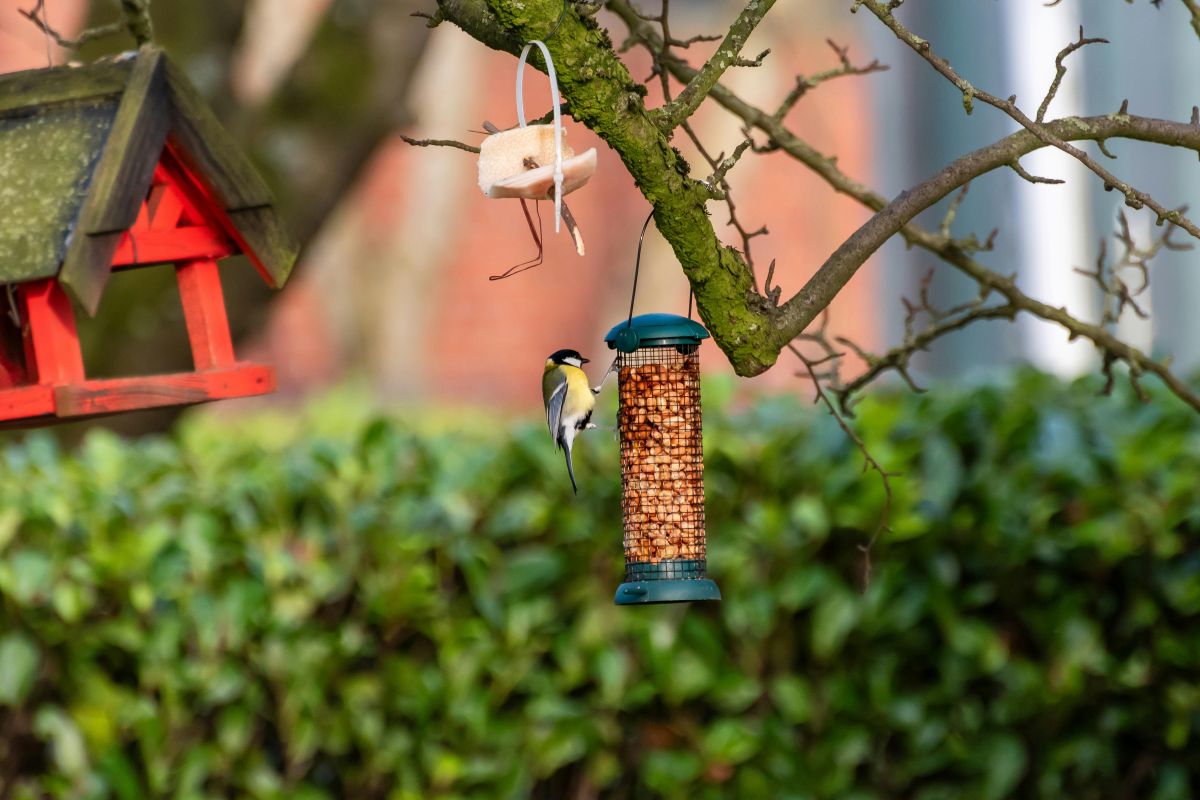
- As insects get into the mulch layer, birds also find another tasty snack here.
More green tips from thegreenlist.nl
- Do you already have your vegetable garden planning in place? In this article, we provide useful tips.
- Want to fight biodiversity loss and help butterflies and bees? Then read butterflyman Nicky's tips here.
- Do you already buy peat-free potting soil? In this article, find out what is wrong with potting soil and how to replace it sustainably.
- Need help growing strawberries? Then read quickly: first aid for growing strawberries.
Photo credits: main image: Karolina Grabowska (Pexels), other: Alfo Medeiros (Pexels), Sippakorn Yamkasikorn (Pexels), Tamara Elnova (Pexels), Eva Bronzini (Pexels).