
We received an interesting reader question: is second-hand fast fashion okay, or is it genuinely a no-goWe understand the question all too well, and yes, it remains difficult. And although everyone ultimately makes their own decision, we naturally have an opinion and a few helpful considerations. Because, as always, we are looking for thegreenlist.nl please explain how you can choose consciously and with pleasure.
Buying second-hand fast fashion?
In the sustainable world, you see two distinct camps. One believes you're better off leaving secondhand fast fashion where it is. Poor quality, questionable working conditions, and you ultimately continue to support an industry with all sorts of problems. The other argues: every secondhand purchase is one less that needs to be produced new. That clothing already exists. Let's make sure it can go around for another cycle. Because what's the alternative? That it ends up in a landfill, is incinerated, or, after a long journey around the world, still ends up in a rubbish tip in Africa.
Not every second-hand find is a good idea
Well, there's something to be said for both sides. That's why we've developed our own perspective on second-hand fast fashion. Of some brands, we say: hey, please steer clear of those altogether, even if they are second-hand. Think of the ultra fast fashion brands from China, like Shein and Temu. We draw a thick line under those. And with Primark, we're actually just as hesitant. Not only because the production process is rather dubious, but also because the quality is often truly dreadful. Sometimes even so bad – and in the case of those Chinese webshops, possibly even toxic – that you just don't want to wear it.
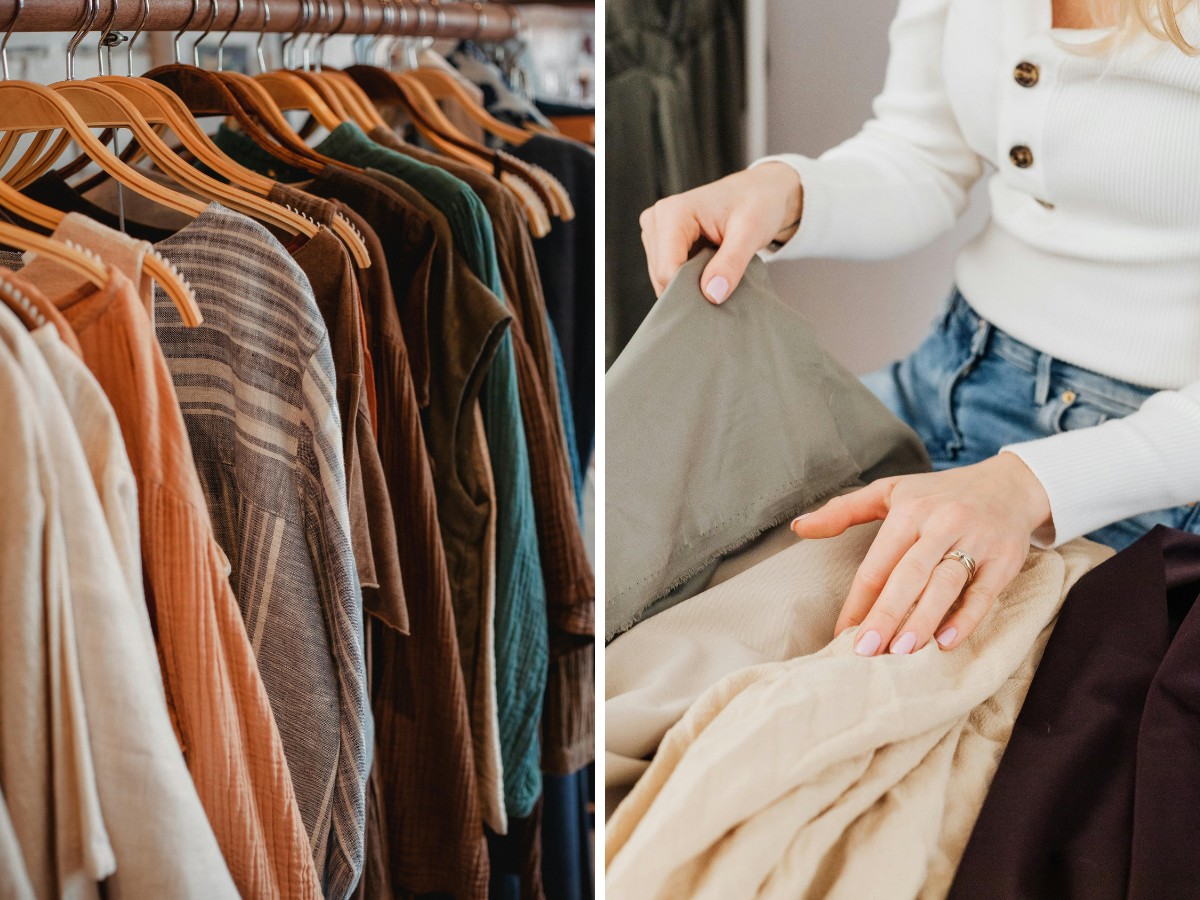
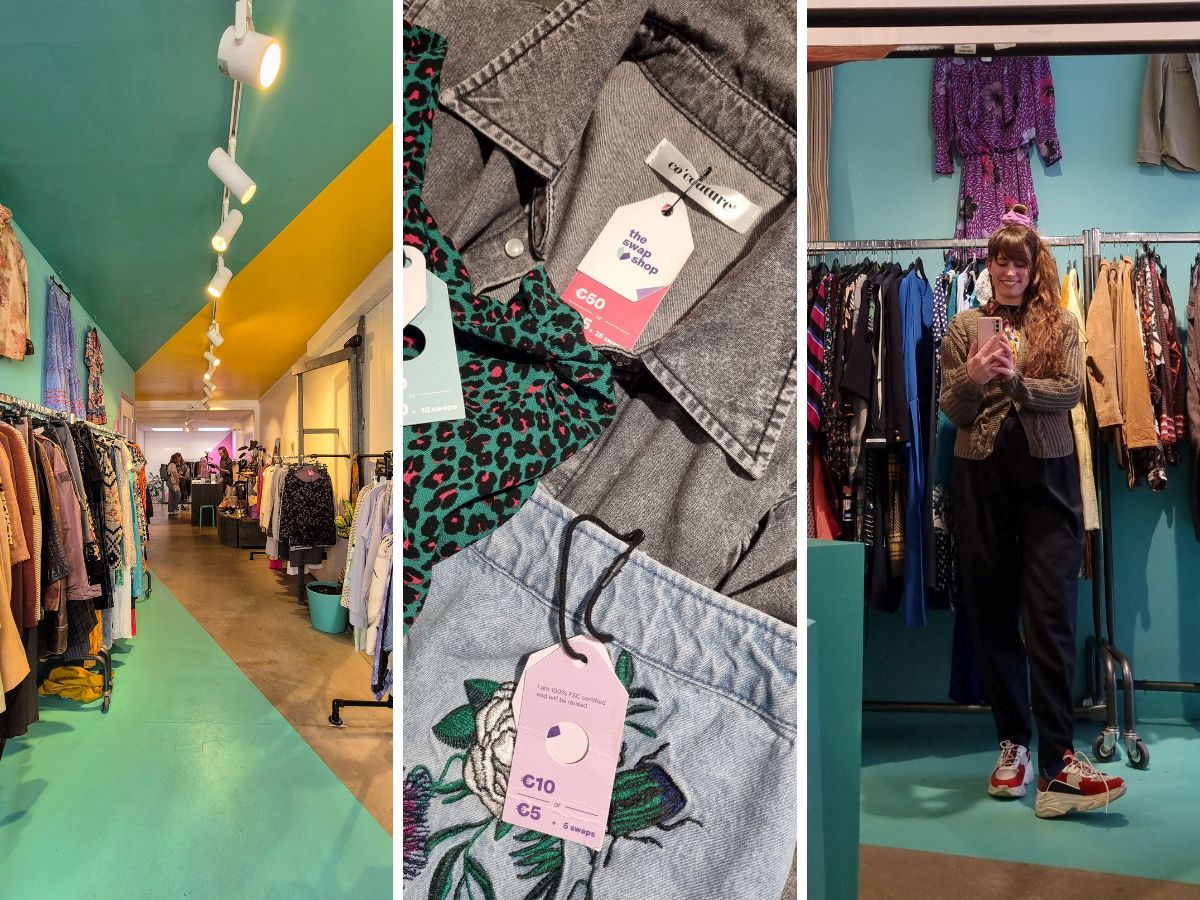
However, there are also fast fashion brands whose clothing is surprisingly well-made, setting aside the manufacturing process and conditions for now. Think of sturdy fabrics, good stitching, garments that last for years. So, if you see an item in a charity shop or on Vinted that you've been looking for a while or that you really like? And are you sure you'll wear it often and with pleasure? Then we say: go for it! I myself once found a thick denim suit from Mango that has lasted eight years. And some second-hand cotton T-shirts are still in great condition.
ALSO INTERESTING: What to do with your old fast fashion clothes?
In summary, second-hand fast fashion can be a perfectly good choice
Second-hand fast fashion can be quite acceptable, as long as you remain a little critical. So: only buy something if you truly need it and it makes you really happy. A bargain you never wear is still a waste – even if it was dirt cheap. Also, pay close attention to the materials. Synthetic clothing fabrics that quickly start to pill are particularly notorious: Microplastics are released with every wash., which then disappear into the environment. So always check the label and leave the fluffy and worn-out clothing items. Happy thrifting!
You might also find this interesting
- Also see: thrift shop tips.
- Also see: This is how you find second-hand clothes from Dutch Vinted sellers faster.
- Also see: Use the textile bin or not?
Sources: Pointer, Plastic Soup Foundation, RIVM. Photo credits: Angela de Vlaming.