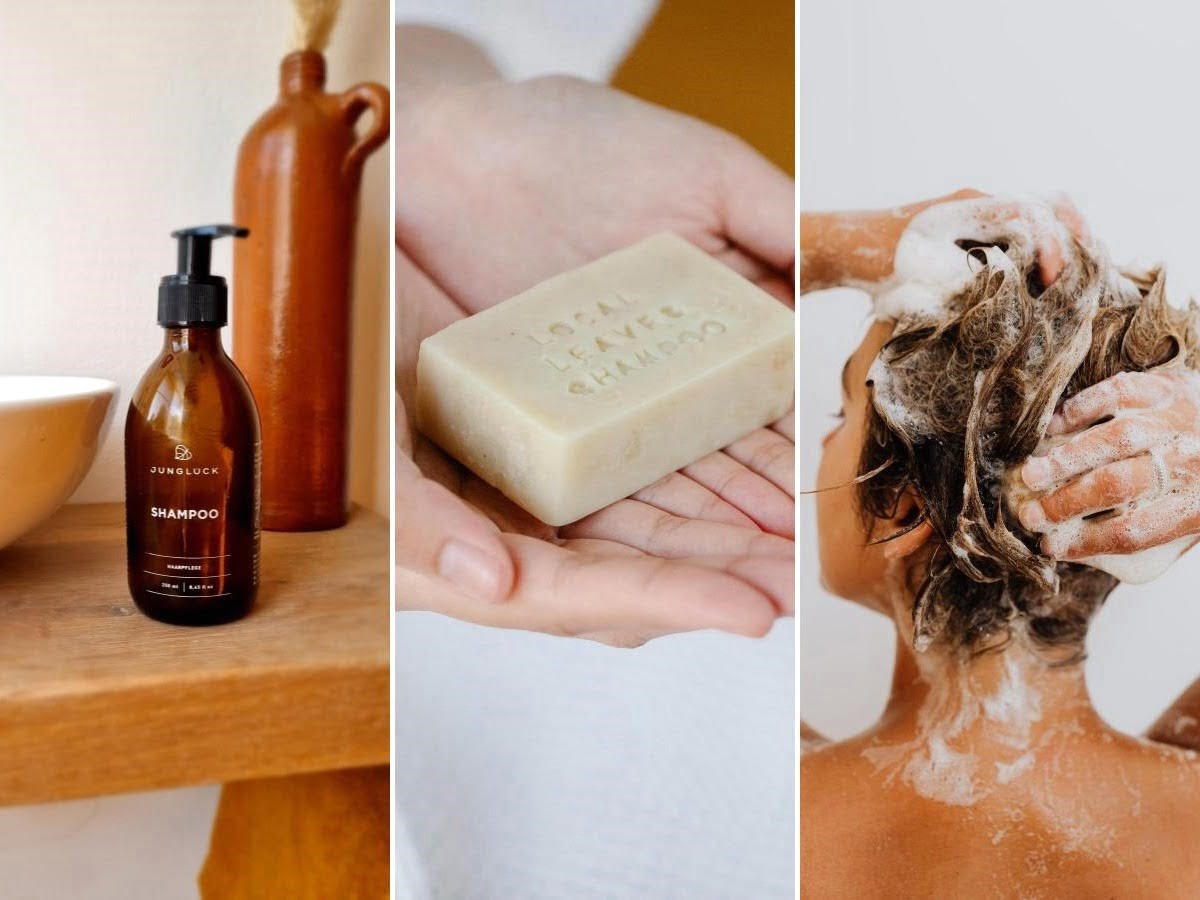

Almost everyone has it in their bathroom: shampoo. Which ingredients make this foamy concoction clean and soft and how sustainable is it? We've dived into the world of shampoo and investigated it thoroughly. Spoiler alert: there are plenty of sustainable shampoos available nowadays, and we'll show you how to recognise them.
Shampoo bar of shamoofles
Walk into any chemist these days, and you'll not only see bottles of shampoo, but also increasingly shampoo bars, also known as hair soap. These are compact blocks of soap that you use to wash your hair. Because no water has been added, they often require less packaging and are easier to transport. At first glance, this makes a shampoo bar much more sustainable than a regular shampoo bottle. However, such a plastic-free bar doesn't tell the whole story. Because what you don't see on the outside are the ingredients within and how they were produced. A shampoo bar can also contain ingredients that are less good for the environment. In short: whether a shampoo is truly sustainable depends on more than just the packaging and its form. You can read more about greenwashing here!
Nice detail by the way: shampoo has existed for much longer than we might think. The word shampoo comes from the Hindi word chāmpo, the meaning of ‘massage’. In India and Indonesia, people were already using natural ingredients such as oils and plants to clean their hair centuries ago. The liquid shampoo as we know it today only appeared much later in Europe.


A shampoo bar seems a lot more durable than shampoo in a bottle, but this is not necessarily so. It depends on several factors such as the ingredients and how long you spend in the shower.
Shampoo is gemaakt van een mengsel van ingrediënten, waaronder reinigingsmiddelen, die vuil en olie van het haar verwijderen, conditioners, die het haar zacht en glad maken, en verdikkingsmiddelen, die het product steviger maken. Andere ingrediënten die vaak worden gebruikt zijn conserveermiddelen, geurstoffen en kleurstoffen.
Many shampoos found in drugstores or supermarkets contain ingredients that we're not exactly thrilled about. Substances that aren't very environmentally friendly and can sometimes be quite harsh on your scalp. And wow, those unreadable ingredient lists don't help much either. Long, complicated names that don't tell you much. Fortunately, you don't need to be a cosmetic chemist to make a better choice. Further down, we'll share a few handy tips to help you check shampoos more easily, but first, we'll highlight a few ingredients you might prefer to avoid.
Sodium Lauryl Sulphate (SLS) in shampoo
Sulfates help shampoo remove dirt and grease from your hair and create a good lather. This is quite useful, of course, because without lather, shampoo doesn't feel like it's actually working for many people. However, some sulfates are quite aggressive. They can also dissolve the natural oils from your scalp, which can leave your hair feeling dry or your skin irritated. There are different types of sulfates, but Sodium Lauryl Sulphate, usually abbreviated as SLS, is known as a rather strong cleaner. Just look on the back of any shampoo bottle in a drugstore, and there's a good chance you'll find it. Fortunately, nowadays there are also many shampoos with milder cleansers that clean your hair perfectly without immediately completely drying out your scalp.
Parabens in shampoo
Parabens are chemical preservatives that extend the shelf life of shampoo. They inhibit the growth of bacteria and fungi, which is naturally useful in a humid bathroom where products often sit for months. For this reason, parabens are still regularly found on the ingredient lists of cosmetics and personal care products. Despite this, there is also a lot of criticism surrounding these substances. Some parabens are suspected of disrupting hormones and being harmful to the environment. Butylparaben, in particular, is under scrutiny. There are already serious indications that this variant can affect the hormonal balance. And yes, this substance is still used in some shampoos.
Fortunately, there are now plenty of alternatives. Shampoo bars, for example, require few to no preservatives because they contain no water. But even with liquid shampoo, more and more brands are opting for milder ingredients and other ways to preserve products.
Microplastics in shampoo
Just like in many other beauty products, shampoos sometimes contain microplastics. Manufacturers add them so that products spread better, lather more, or have a finer texture. However, as a consumer, you usually don't see that immediately on the packaging. Quite irritating, therefore, because you simply rinse these tiny plastic particles away while showering. And that's precisely the problem. Microplastics hardly break down and are now found everywhere: in oceans, at the North Pole, and even in the human body. Not exactly a comforting thought for something that disappears down the plughole daily. Especially since there are now enough alternatives available without microplastics. You can read more about microplastics in beauty products here. Fortunately, things are slowly starting to move. Since 15 October 2023, the European Commission has banned microplastics in cosmetics. This is an important step, although products containing microplastics will not disappear from shop shelves immediately. This is because a transitional period of four to twelve years applies to many cosmetic products. Therefore, it may still take some time before everything has truly disappeared.
PEG, silicones and mineral oils
And then there are ingredients such as PEGs, silicones, and mineral oils. Substances that you also find in shampoo because they make products smoother, lather better, or ensure your hair feels soft and cared for. For example, PEGs help ingredients to mix well and give shampoo a creamy texture. Silicones lay a smooth layer around your hair, making it feel soft and less frizzy. Mineral oils help to retain moisture. It all sounds quite useful, but these ingredients also have disadvantages. Silicones, PEGs, and mineral oils are often made from petroleum and are therefore not exactly the most environmentally friendly choice. Fortunately, more and more shampoo brands are showing that it can also be done perfectly well without these ingredients.
Vegan shampoo versus cruelty-free shampoo: what are the differences?
Vegan or cruelty-free sounds quite sustainable, right? Unfortunately, these terms don't tell the whole story. A vegan beauty product contains no animal ingredients. Cruelty-free means that a product is not tested on animals, but it can still contain animal ingredients such as beeswax or lanolin. If you only use vegan products, you actually want to pay attention to both.
But surely animal testing is banned anyway? You might be thinking... That's correct, but it's a bit more complicated than that. In Europe, it's indeed not allowed to sell cosmetics or personal care products that have been tested on animals. However, it's possible that a beauty brand sells products here that haven't been tested on animals in Europe, but have been tested elsewhere, for instance, because legislation requires it. In this way, a beauty brand is still participating in it. To make things even more complicated, there are also number of exceptions to European regulations which means that, unfortunately, not all cosmetics sold in Europe are 100% cruelty-free. Do you think it’s important to choose a brand that scores highly on animal welfare? If so, look out for certification labels such as The Vegan Society’s sunflower logo, PETA-Approved and Leaping Bunny. Also on The website of Animal Rights Netherlands Are you looking for helpful lists of brands that are completely vegan and cruelty-free?.
Wel goed om te weten: vegan en cruelty-free zeggen niets over hoe milieuvriendelijk een shampoo verder is. Een shampoo kan nog steeds microplastics, PFAS of andere discutabele ingrediënten bevatten. En ‘natuurlijk’ klinkt leuk, maar is ook niet automatisch duurzaam. Sommige natuurlijke ingrediënten zorgen juist weer voor veel landgebruik of vervuiling. Meer hierover lees je in het artikel: Why the term ‘natural’ doesn't always mean much. In short: it remains a bit of a hunt if you're looking for a shampoo that's a better choice on multiple fronts.
Choosing sustainable shampoo: what to look for
Right, by now you have a bit of an idea about which ingredients you’d rather avoid. But what should you actually look out for if you’re searching for a more sustainable shampoo? After all, simply seeing ‘vegan’ or ‘100% natural’ on the packaging doesn’t really tell you much. A shampoo could still contain microplastics or be made from ingredients that required intensive farming or deforestation. That’s why it’s wise to look for reputable certification labels too. When it comes to shampoo, NATRUE, Ecocert and COSMOS are particularly good labels to look out for. They set stricter requirements for ingredients and production. You’ll also increasingly come across B Corp among more sustainable beauty brands, although that certification takes a broader view of how a company operates.
Do you see a quality mark that you don't recognise? You can always check it via the Label guide from Milieu Centraal. Also useful: apps that can scan ingredients for you. We ourselves like to use the apps NCI Beauty and Think Dirty to quickly see exactly what's in a product. And if you want to avoid microplastics, the free PlasticFree Future app really recommended by the Plastic Soup Foundation (formerly Beat the Microbead). A handy tip when shopping for shampoo online: take a screenshot of the ingredients list for the product you want to buy. This is often found under the ‘ingredients’ heading. This way, you can check the shampoo in a few seconds without having to decipher all the complicated names yourself.
No Poo: life without shampoo
Can it be one step more sustainable? Theoretically, yes. In fact, there are more and more people who no longer use shampoo at all. ‘No Poo’ stands for ‘No Shampoo’ and proponents of this movement wash their hair (sporadically) only with water or natural remedies such as rye flour, baking soda of clay. Our hair is supposed to get used to shampoo and therefore produce too much sebum. If you manage to get your hair accustomed to it, you wouldn't need shampoo at all. A sustainable and natural alternative, although there are also scientists who say that not using shampoo at all can actually cause irritation and that it does indeed have benefits to wash your hair with shampoo. If you find No Poo too radical, then perhaps a good first step is not to wash your hair too often (two to three times a week is sufficient according to experts), to use little shampoo and to opt for a more sustainable shampoo. And if you dare, you can always try No Poo afterwards!
Does sustainable shampoo exist? Yes!
Let's start with the good news: there are increasingly more brands nowadays that make shampoo with milder and more environmentally friendly ingredients. Whether you're looking for a nice shampoo bar or a liquid shampoo, there's truly enough choice available now. During our search, we came across so many more sustainable shampoo brands that it's impossible to mention them all here, but we will soon share some of our and our followers' favourites with you in a list. Are you looking for better beauty brands for both make-up and daily (hair)care? Then we have already put together a fairly complete list of beauty brands for you. Handy though, take advantage of it!
More sustainable tips from thegreenlist.nl
- A shampoo bottle made of recycled plastic: how about that?
- Tip for long hair: Sustainable hair ties are lying in the street!
- Do you ever dye your hair a different colour? In this article, we'll tell you all about hair dye.
Sources: Niks Nieuws, wherezitwarin.nl, Beat the Microbead, Dr Jetske Ultee, Dutch Health Store, Beautyblog, Utopia.de, European Commission. Photo credits: main image: left: thegreenlist.nl, centre: Sarah Chai (Pexels), right: Karolina Grabowska (Pexels), shampoo bottles: Sarah Chai (Pexels), Saskia with soap bars: thegreenlist.nl.