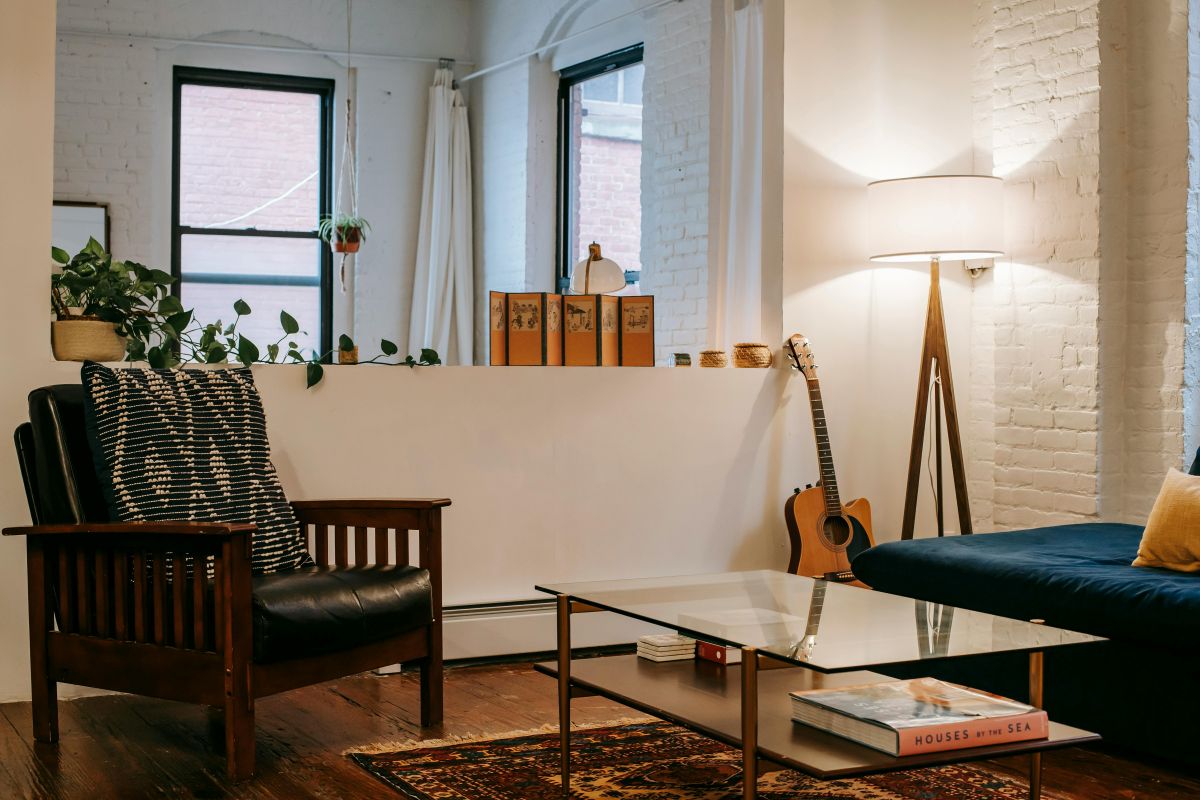

LED lighting has by now become more or less the standard. Fortunately, because LED lamps consume far less electricity than old-fashioned halogen or incandescent lamps. But not every LED lamp is automatically a sustainable choice. Some cheap lamps break quickly or give off that harsh light – hello hospital, with the result that they are replaced more quickly anyway. And then we haven't even mentioned built-in LEDs that you can't even replace when they stop working. So what should you actually look out for when buying LED lighting?
Why LED lighting is indeed a smart choice
The fact that LED lighting has become so much more popular isn’t just marketing hype from lighting brands, by the way. According to Milieu Centraal, an LED bulb uses around 85% less electricity than an old-fashioned incandescent bulb and also lasts much longer. Especially in places where lights are often left on, such as the kitchen, hall or bathroom, this can make a significant difference to your energy bill. Another bonus: LED bulbs are looking better and better. Whereas in the past you mainly had that harsh white light that made you spontaneously want to clean an operating theatre, fortunately there are now much warmer shades available. So you can easily create a cosy atmosphere in your home without your electricity consumption going through the roof.
Cheap LED bulbs are not always the most durable choice
However, there's also a less sustainable side to the enormous LED hype. Especially cheap LED lamps turn out not to last as long in practice as stated on the packaging. And that's a real shame because a lamp that starts flickering or stops working after two years still needs to be replaced. Then that ‘sustainable choice’ is obviously missing the mark a bit. You also see lamps and light fittings with built-in LED lighting more and more often. Sleek? Definitely. Practical? Not always. Because if those built-in LEDs break, you often can't just simply replace a bulb. In many cases, the entire light fitting has to go. And that feels a bit like replacing your entire oven because the little light inside has broken.
Let – a nice pun – also on colour and replaceability
When buying LED lighting, many people focus primarily on wattage or price. This is understandable, but the colour of the light is at least as important. This is because it largely determines how cosy, warm, or cool a room feels. For the living room, extra warm white light is often a good choice, while slightly more neutral light can be pleasant in the kitchen or bathroom. Something else smart to look out for: can the light source be replaced later? With some modern designer lamps, the LED lighting is completely built-in. It looks sleek, but is less convenient if the lighting starts to work less well after a few years. A fixture in which you can simply screw in separate LED bulbs often lasts much longer. And ultimately, that's a bit more sustainable. Can't quite get your head around terms like lumens, Kelvin, or different light colours? On IntoLED provides a lot of practical explanation on which LED lighting works well for different rooms.
Fewer lights, more atmosphere
What also often happens is that as soon as people switch to LED lighting, all of a sudden there are spotlights, strips and smart lamps everywhere. Understandable, of course, because LED is economical and the possibilities are endless. But more lighting isn't automatically better or more sustainable. Sometimes a few well-chosen light points work much more calmly and cosily than a ceiling full of bright spotlights. A smart lighting plan doesn't have to be complicated at all, by the way. Often you can go a long way by thinking about what you actually do in each room. In the kitchen you want good visibility while cooking, whereas in the living room you probably prefer softer light. By combining different types of lighting, such as a general light, a reading lamp and some mood lighting, you will need to switch on all the lights at the same time less often. This saves energy and immediately makes your home feel much warmer in atmosphere.
Sustainable LED lighting is often in the details
Ultimately, the sustainability of LED lighting isn't just about using less electricity, but more about making smarter choices. A lamp that lasts for years, gives pleasant light, and whose light source can simply be replaced, is ultimately much more sustainable than a cheap lamp that breaks quickly or gives off irritating light. Therefore, don't just look at the price, but also at the light colour, quality, and replaceability. Then you'll not only get more enjoyment out of it for longer, but you'll also prevent unnecessary waste and a living room that feels like a doctor's waiting room.
Photo credits: Charlotte May, Pexels.