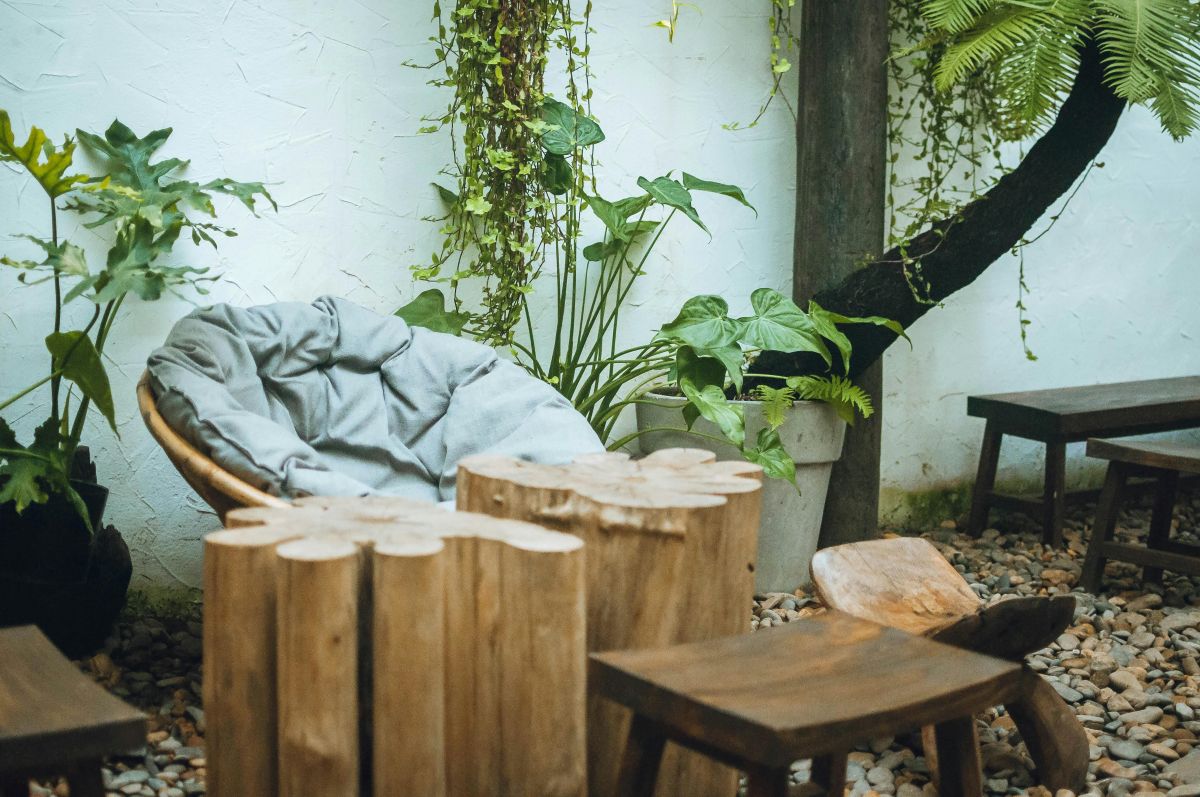

More and more people are opting for fewer tiles and more greenery in their gardens, and it's not surprising. A green garden stays cooler, helps collect rainwater, and is better for birds, bees, and butterflies. Nevertheless, you often can't completely avoid paving. A patio, a path, or a spot for the garden table is simply practical. Fortunately, you can make smart choices in this regard too. Because with the right tile choice and a well-thought-out laying method, you can soon make your garden a lot more climate-friendly.
Smart paving
A patio or path makes your garden a lot more practical. That's precisely why it's important to think carefully about how much paving you need and where you put it. Furthermore, not all tiles are the same. Colour, size, and material make more of a difference than you might think. Light-coloured modern garden tiles For example, they retain less heat than dark variants. You notice this immediately on warm summer days. A garden with a lot of dark paving heats up faster, while lighter colours stay cooler. By combining paving with borders, plants or gravel, your garden stays greener, cooler, and rainwater can drain away better into the soil. You'll especially notice this during hot summers and heavy downpours.
Choosing the material for your garden tiles
The material itself also plays a part. Some manufacturers nowadays incorporate recycled materials or construction waste into their tiles, which means fewer new raw materials are needed. And the longer a tile lasts, the less quickly you'll need new raw materials. Natural stone is another matter. This often lasts for decades and actually gains more character over time. However, where it comes from does make a difference. Stone that is produced locally usually has a smaller ecological footprint than natural stone that has to be imported from far away. Concrete garden paving slabs are popular because they are strong, durable, and require little maintenance. Also smart to pay attention to: how much maintenance a tile needs. Some tiles stay perfectly beautiful with just water and a broom, while others get green algae faster, leading people to reach for chemical cleaning agents more quickly. It's precisely these kinds of practical things that make more of a difference in the long run than you might think.
Another practical tip: when buying new paving, always purchase a few extra spare tiles and make a good note of the type and colour. Should a tile become damaged later, or if you wish to extend an area, you'll be able to find the same tile more easily. Especially with popular ranges and colours, the selection changes faster than you might think.
The way of laying makes a difference
More sustainable paving isn't just about the paver itself, but also about the way you lay them. The starting point is still often a completely sealed patio, but this means rainwater can barely soak into the ground. Especially during heavy downpours, this leads more quickly to puddles or flooding. By leaving some space between pavers, working with gravel, or choosing stepping stones, rainwater has a much greater chance of simply seeping into the ground. This is better for your garden and helps to combat heat on warm days, as greenery and open ground retain less heat than a large stone surface.
Pebbles, gravel and chippings are therefore often cited as a more sustainable choice than full paving. Rainwater can more easily seep through them into the ground, and they generally heat up less than a large paved patio. However, there are differences in materials. Some decorative pebbles are imported from far away, meaning transport also plays a role in how sustainable the choice ultimately is. Furthermore, gravel isn't always practical with garden chairs, bicycles or a pushchair, for example. A combination of paving with gravel, plants or stepping stones therefore works best in many gardens.
Plants along the edges of paving also make a difference. They provide cooling, attract bees and butterflies, and immediately make a garden less stony. It is precisely this combination of green and paving that often creates a pleasant balance.
Green between your tiles
And another final tip that many people don't think of: occasionally just leave spontaneous little plants between your paving stones. What is often immediately removed as ‘weeds’ are sometimes actually small flowering plants that bees and other insects adore. These so-called paving plants are actually little gifts from nature. A bit less neat perhaps, but lively and pleasant.
Photo credits: Dmax Tran, Pexels.